





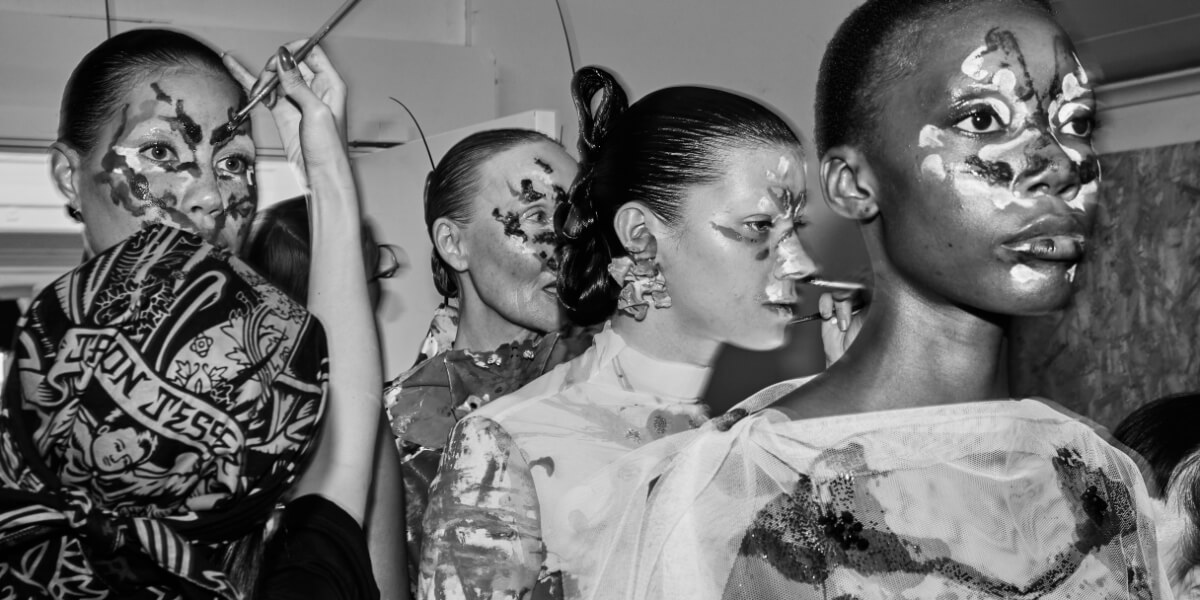
5. J.L-A.L
J.L-A.L combines traditional menswear construction and tailoring with themes of altered perception, redirecting attention beyond the physical garments to the pieces’ potential as objects. In their SS27 show ‘Mobius,’ J.L-A.L. drew inspiration from the 1927 Solvay Conference, in which pioneering physicists gathered to debate the nature of reality.

1927 Solvay Conference
At first glance, the collection reflects elements of the imagery from the conference—the foundation of the clothing is traditional formal dress, featuring impeccable tailoring, classic accessories, and traditional silhouettes. But much like the great minds of the Solvay Conference wandered beyond our physical reality, J.L-A.L used low-pressure sodium lighting at their show to alter the viewers’ perception. Color under these lights is almost imperceptible, resulting in a striking battle of the mind over what we know to be true and our immediate perception of reality. “The garments remain. What changes is what the light allows us to see.”
4. Hector Maclean
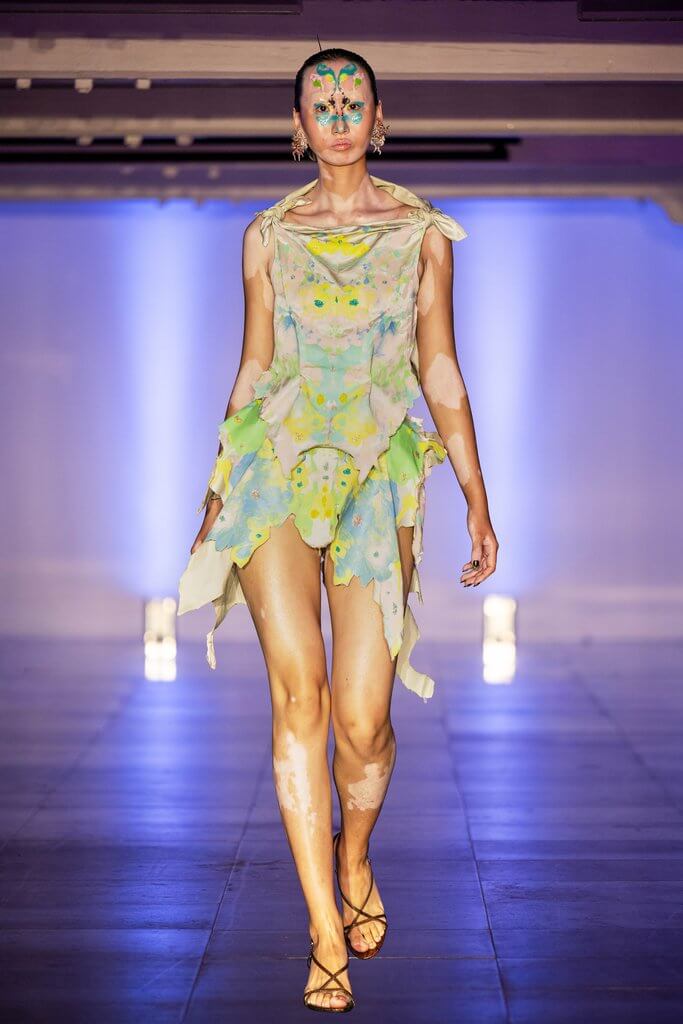
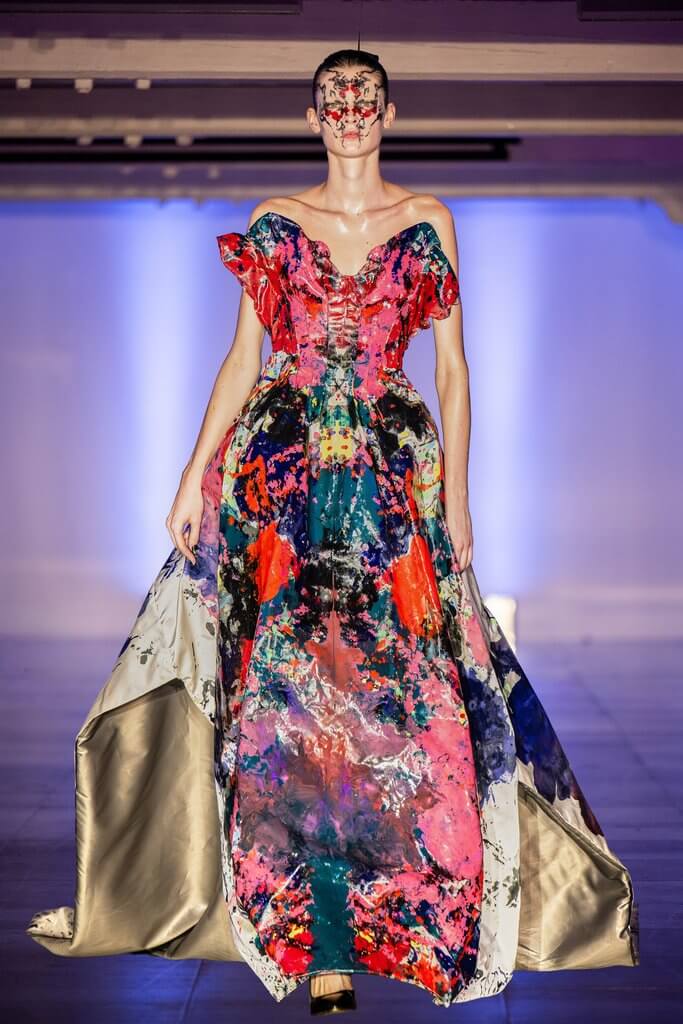
A graduate of London’s Central Saint Martins, Hector Maclean has been steadily building a reputation for emotionally charged storytelling since the conception of his eponymous brand in 2022. His SS27 show ‘Obscuritas’ was no exception.
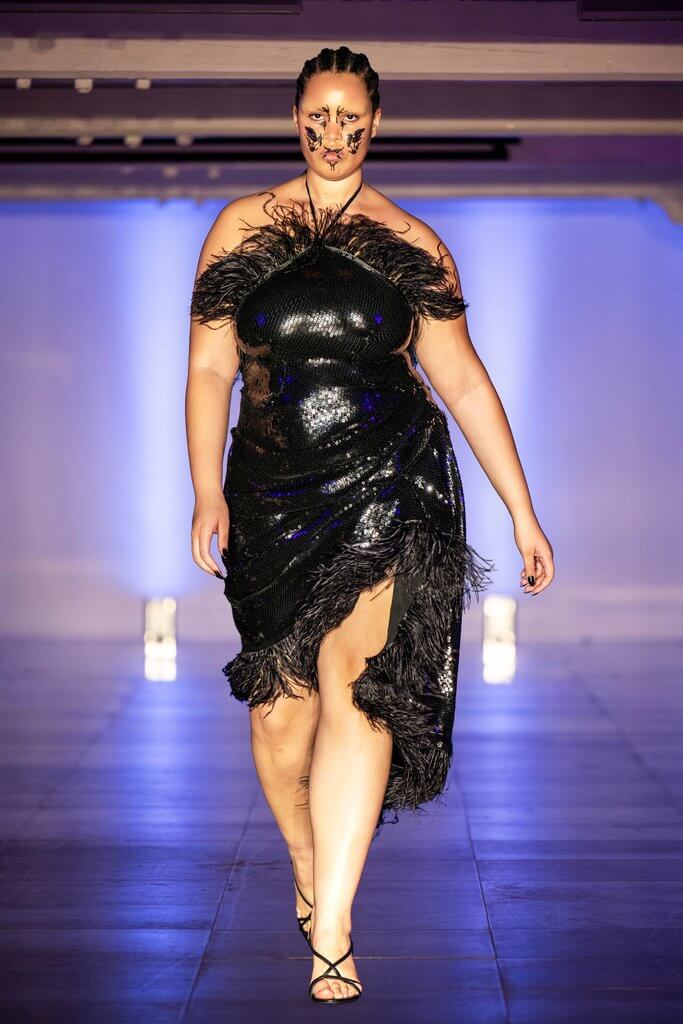
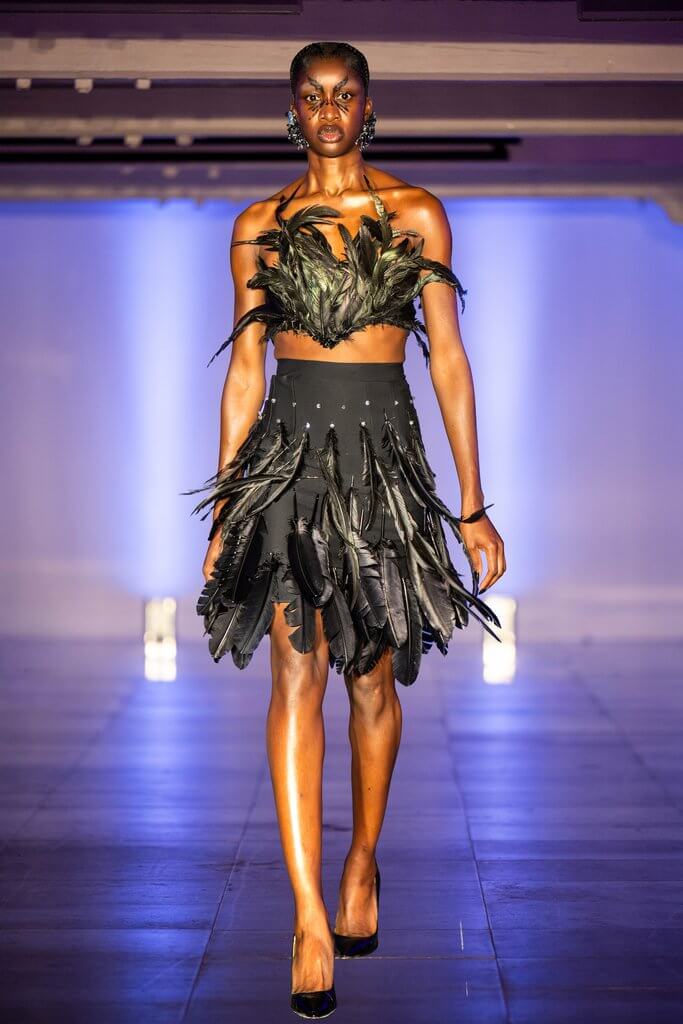
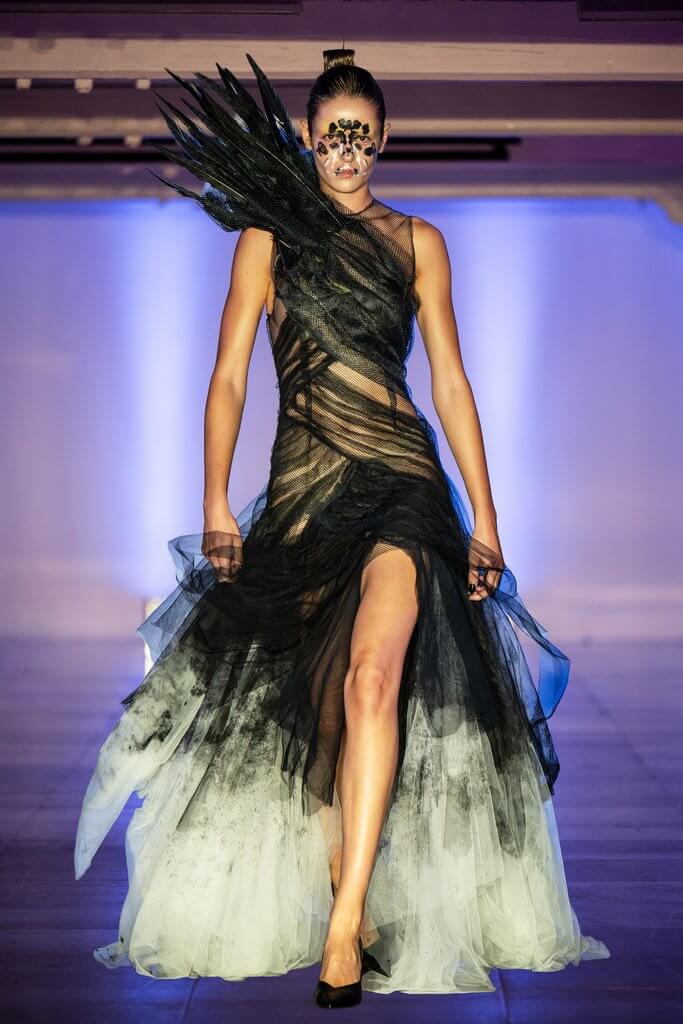
Partnering with the UK’s leading mental health charity, Mind, Maclean used this collection to examine the mental health struggles that are rife among those in the creative industries, following the loss of three friends to suicide.
Starting out with dark colors, bleached tulle, and sharp lines, slowly progressing into brightly painted gowns and imposing neon fabrics, the collection follows a journey that many creatives are familiar with—emerging from the darkness into the light. In ‘Obscuritas,’ Maclean makes the case for optimism in spite of the pain of his losses.
3. Poet Lab
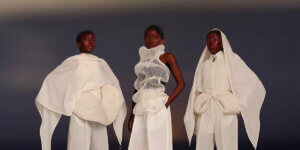
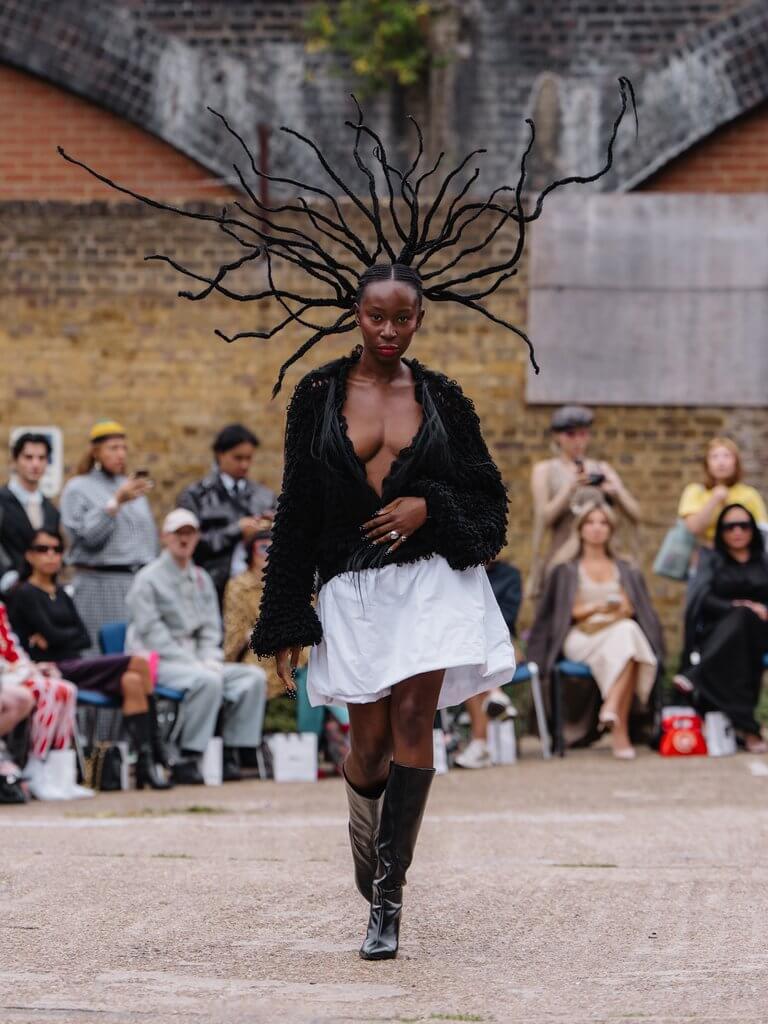
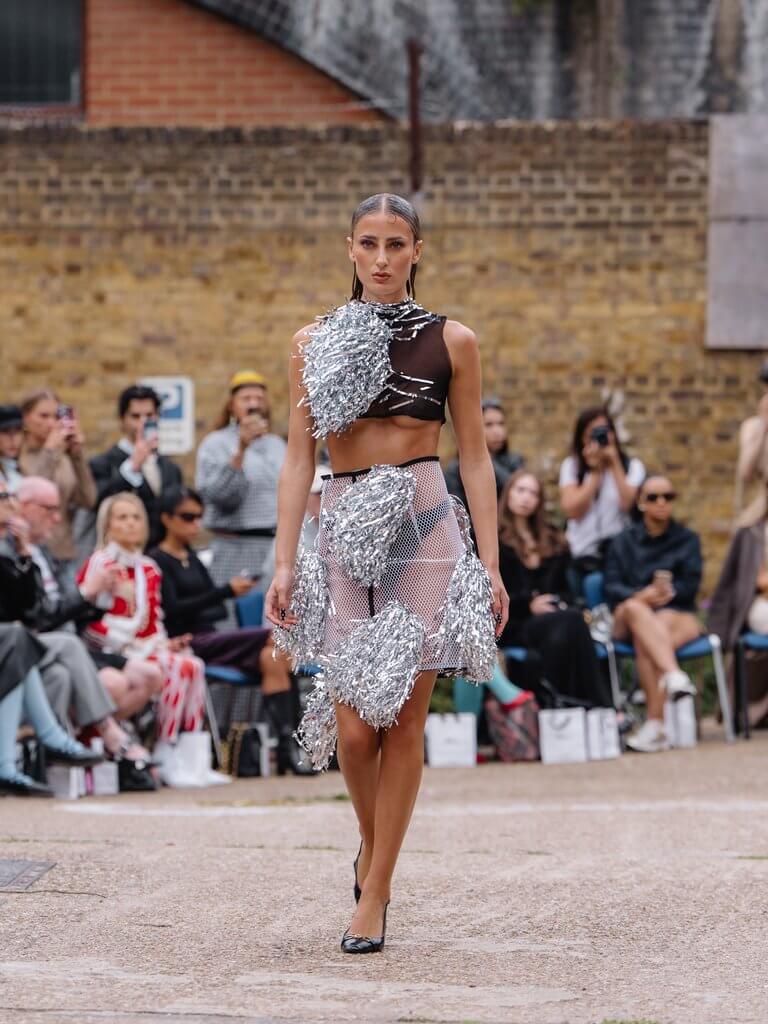
Fast off the heels of his NYFW debut, Poet Lab’s creative director, Giuseppe Iaciofano, returned to his home ground of East London last week to show his new collection entitled ‘Remember.’
As a brand, Poet Lab experiments with construction and fabrics to challenge traditional archetypes of identity, and this collection built on that conversation beautifully. In his words, Iaciofano explained that the collection was all about “becoming who you want to be,” and that ethos was visible in every element of the show. The collection was unbound by the categorization of identity—genderless, ageless, and unburdened by conformity. He also spoke of how our memories play a part in building our identities, building his pieces with unconventional materials inspired by pieces of his own childhood. Iaciofano’s collection successfully transmitted its message of embracing selfhood—however that may look—and the effect was tangible.
2. Yuhan Ao
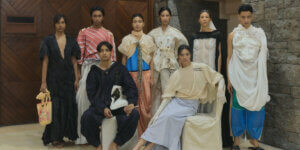
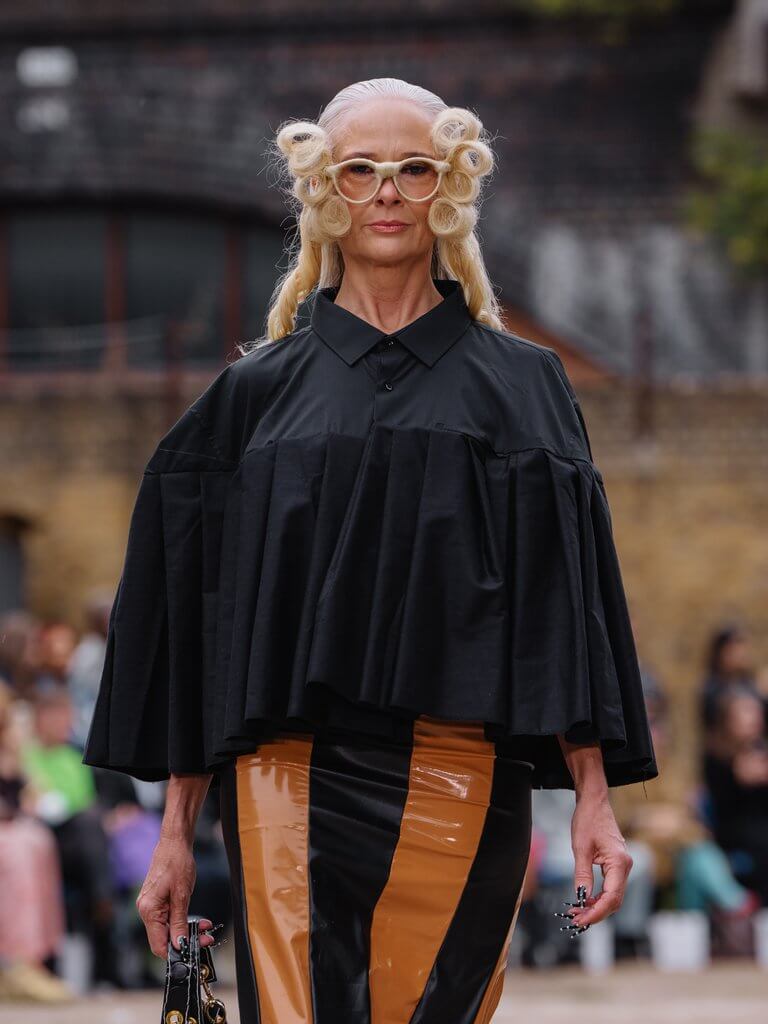
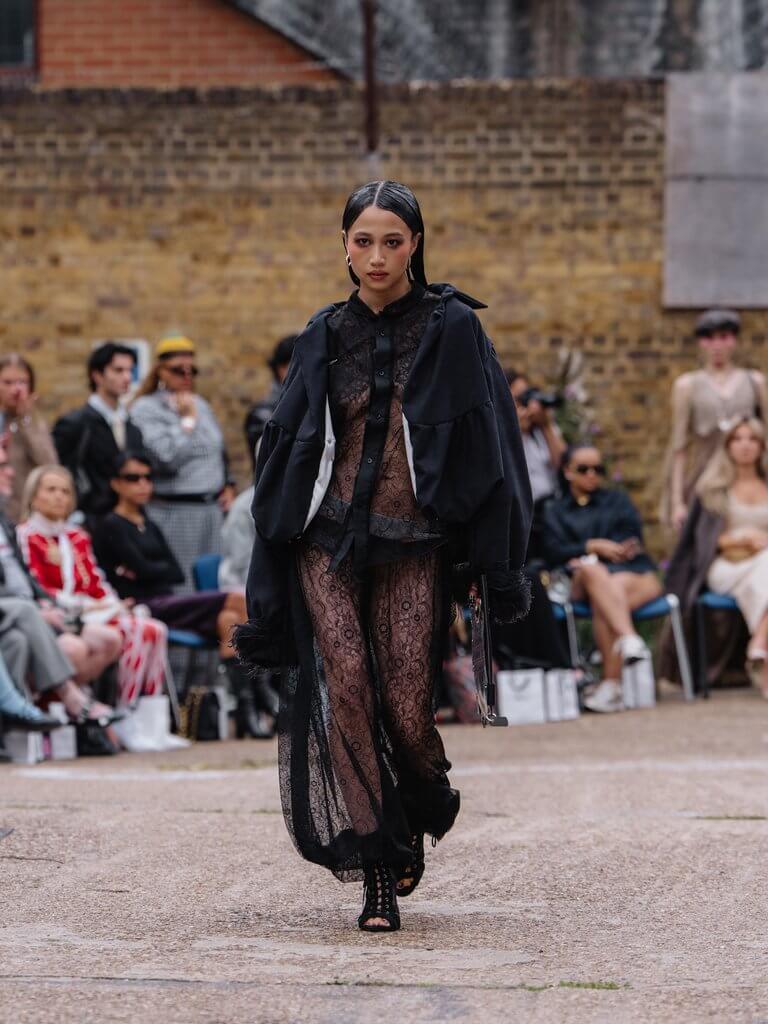
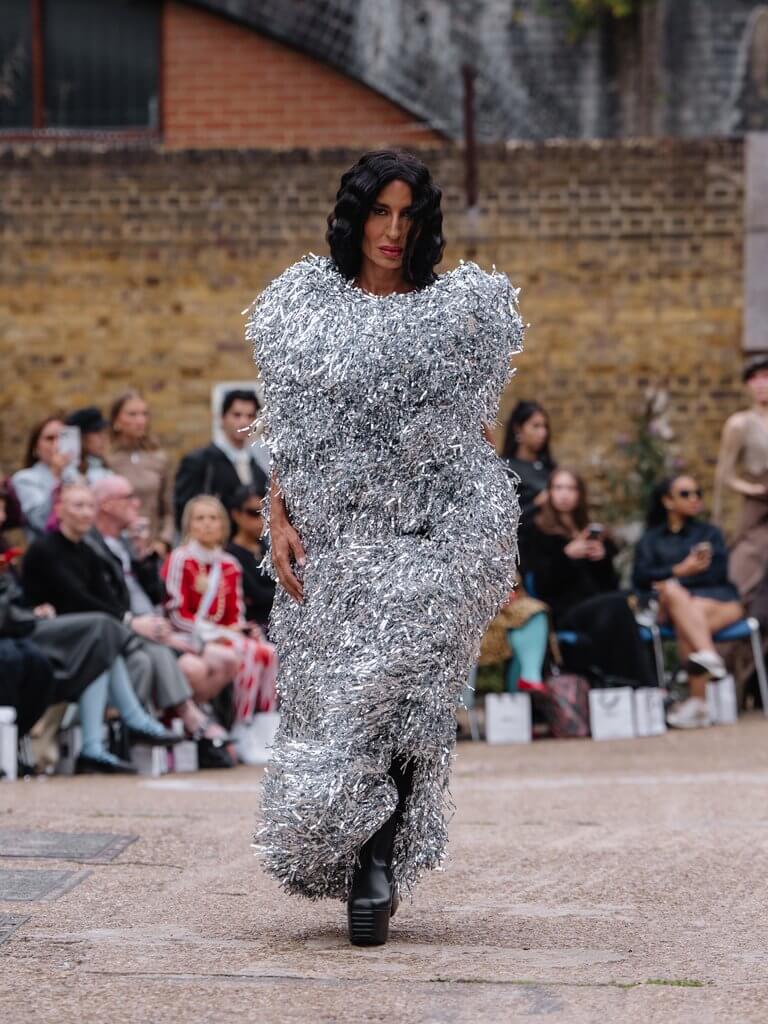
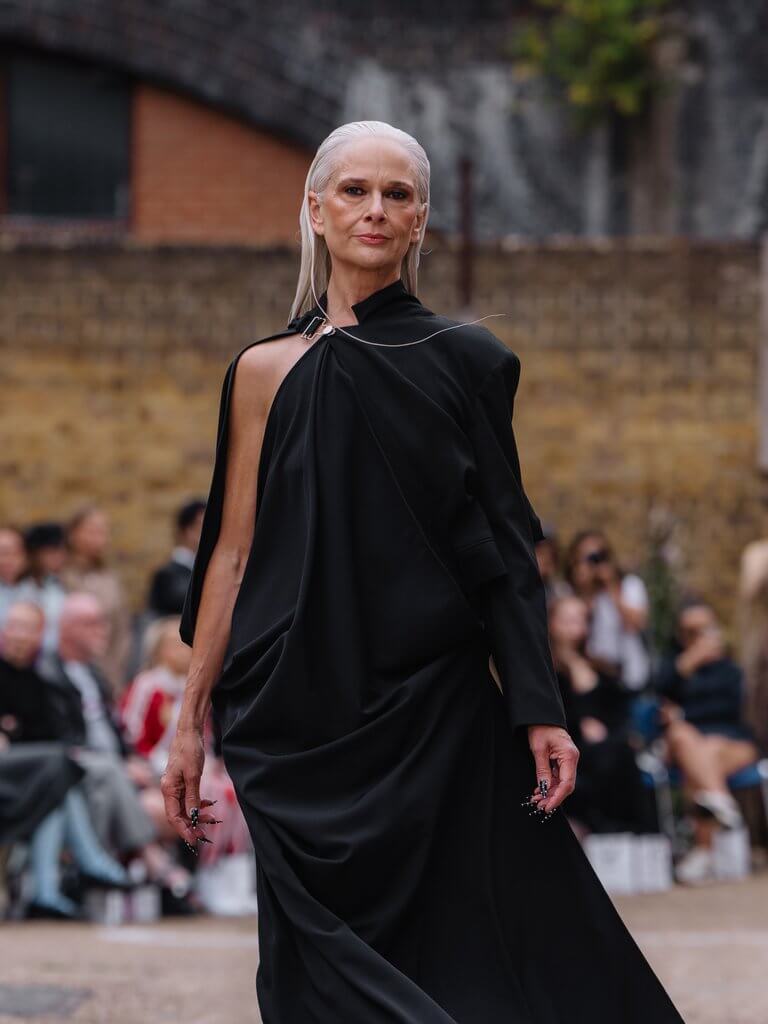
Yuhan Ao is a London-based designer who sets himself apart from the crowd through absolutely expert craftsmanship. Influenced heavily by his upbringing in a textile factory in China, Ao’s work surpasses the need to follow trends or be influenced by fashion’s many whims; instead, he brings clothing construction back to its core—labor. Years of watching his grandmother spin linen by hand brought with it a respect for the meditative process of design and creation—something that can be seen in each of his looks this season. This is not to say that his designs are without imagination—each look takes historical design elements and combines them with modern twists, creating what is almost a fantastical world of warped time and rife anachronisms.
1. Tuuli Turunen
The final designer on the London Fashion Week calendar and the smallest of the brands on this list, Tuuli was the biggest surprise. Tuuli is a Finnish designer who moved to London to study womenswear at Central Saint Martins. For her SS27 collection, she drew upon her feelings of powerlessness and anguish towards the current state of the world and reimagined them through a lens of hippie and anti-war movements of the 60s and 70s.
Taking what she described as the darker ‘modern uniforms’—the overly corporate dress codes, military wear, and dress associated with the darker male archetypes like incels or skinheads—she injected her own flamboyant sense of girlhood and optimism, resulting in a total clash of styles that complemented each other flawlessly.
Videos by Lily Davies
The set of the show was reminiscent of a sort of war bunker, dressed with clashing vintage furniture and melancholic music that gave the feeling of hunkering down with friends and waiting for a storm to pass; the models played dress-up with a mishmash of lived-in vintage fabrics and styles.
The show closed with a stunning live performance from Abigail Morris of the band ‘The Last Dinner Party,’ who did a fitting rendition of Kate Bush’s anti-war anthem “Army Dreamers.”
As guests spilled out of the show, their reactions said it all: “That collection was the best thing I’ve seen all fashion week. Mops the floor with anything else!”