


















Fear and Femininity in Horror: The Women We Make Monsters
From “scream queens” to the complex depictions of female rage and desire, women in horror not only entertain but also challenge the societal view of the female experience.
 Pop
Pop
From “scream queens” to the complex depictions of female rage and desire, women in horror not only entertain but also challenge the societal view of the female experience.
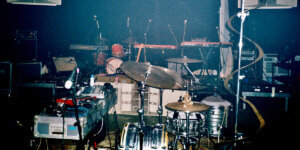
What happens when club culture and improvised music stop existing in parallel and become one continuous experience? To celebrate its twentieth anniversary, J.A.W Family transformed Berlin's 90mil into a weekend-long experiment in connection, community and seriously good music.
Queer romance challenges outdated ideas about love, intimacy, and desire. Discover why these stories have become cultural touchstones for women looking for something more than conventional romance.

If you’ve been disappointed by what’s been coming to cinemas and streaming platforms in the last few years, you certainly haven’t been the only one. The endless stream of remakes, sequels, and adaptations raises questions about where this industry is heading and why.
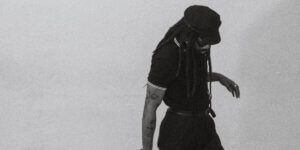
Five years after his last release, Juju Rogers returns with Pink Guitars, Spaceships N Voodoo Dolls — a genre-blurring record shaped by questions of identity, expectations, and staying human in increasingly chaotic times.
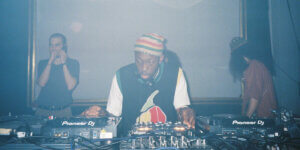
“When you start something like this, you’re thinking about the immediate, putting on a good night, bringing people together. But over time, you realise it becomes a public service of sorts; something people invest in emotionally and culturally.”

Loud, messy and unapologetic. Artists like Shygirl, COBRAH and Slayyyter are transforming queer nightlife aesthetics into visible pop identities, reshaping the feeling of the dancefloor along the way. Once considered too explicit, too niche, or too unconventional for mainstream visibility, these artists are now taking underground club culture to the world's biggest stages.

Fashion’s most iconic power fantasy is returning, but the world in which The Devil Wears Prada is a cultural touchstone no longer exists. In an era shaped by digital immediacy and cultural accountability, even figures like Anna Wintour no longer command the same untouchable authority.

Holly Humberstone turns vulnerability into an art form, and in this interview, she’s not holding anything back.

Since its debut, the series has been defined by extremes and persistent controversy over its depiction of sex, addiction, and adolescence, while the discourse surrounding it has become inseparable from the show itself. As it returns for a new season, the question is no longer just what Euphoria is, but what it has become.