






Stepping into The Foundry at Wilhelm Hallen for William Fan’s debut show at Berlin Fashion Week is a sensory experience. Beneath the towering steel beams, teams of people whisk matcha with meditative precision before each cup makes its way into the hands of Berlin’s impossibly chic fashion crowd. Elevated basics dominate the room (crisp shirting, sculptural tailoring, effortless layers), while mochi and miniature Basque cheesecakes weave through conversations. The scents of lemongrass, lavender, rosemary, and cedarwood drift through the warehouse, leaving me feeling instantly energized and uplifted. Before the show has even begun, William Fan has already engaged every sense.
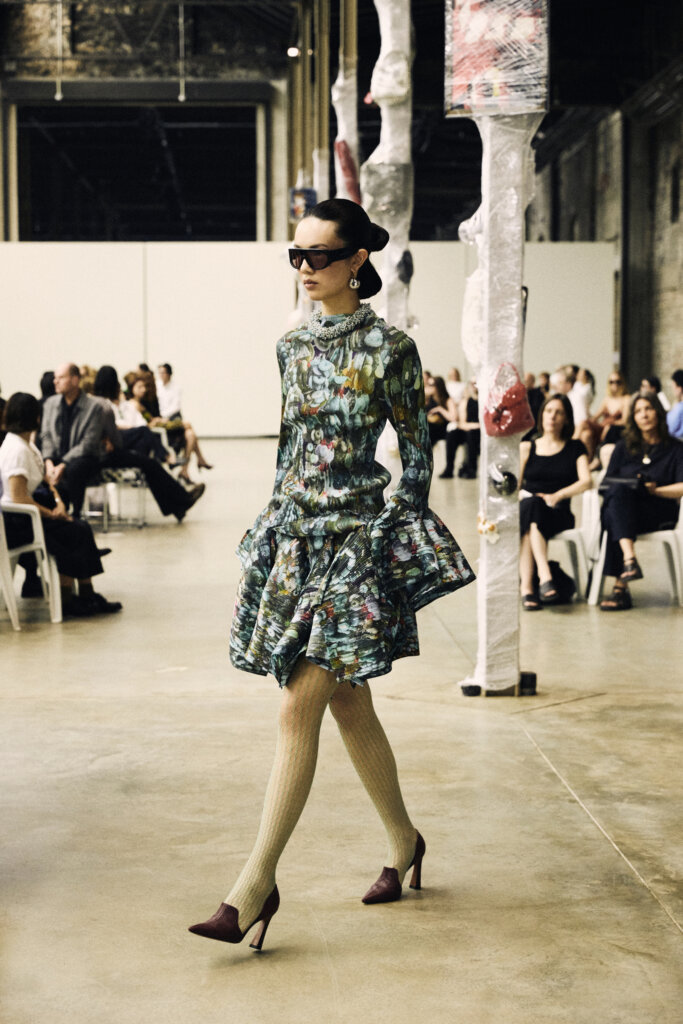
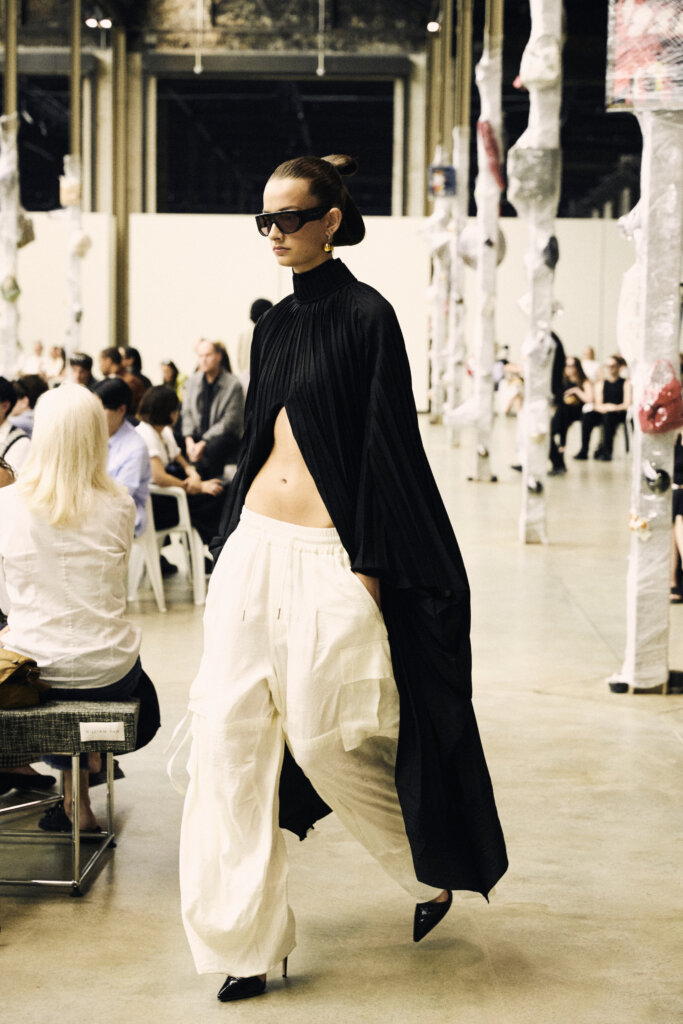
As guests begin to take their seats, another detail comes into focus. The warehouse’s steel columns have been wrapped in translucent film, each preserving an eclectic collection of objects from Fan Plaza, William Fan’s own gift and souvenir store. They feel like oversized time capsules. Above us, glowing sculptural lights appear to float beneath the industrial roof, while clusters of chairs replace the traditional runway, forcing the models to navigate a winding route through the audience. Waiting on every seat is a miniature bottle of perfume, a parting gift that suggests the show won’t end when we leave the room. Like the souvenirs and keepsakes that inspired *EXCHANGE*, the Spring/Summer 2027 collection lingers, carried home on our skin.
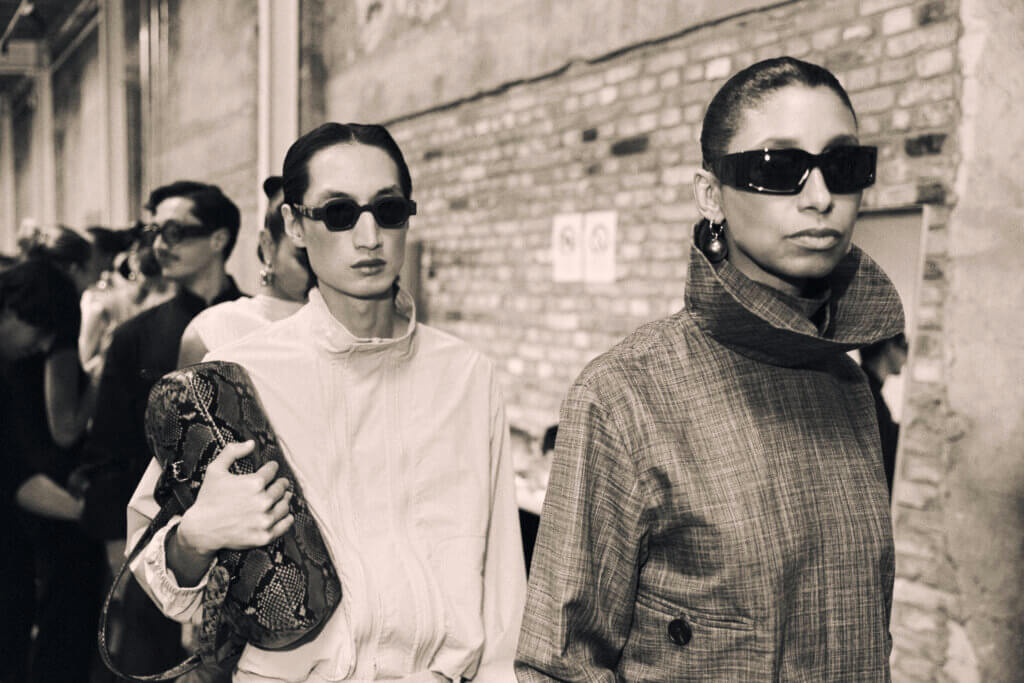
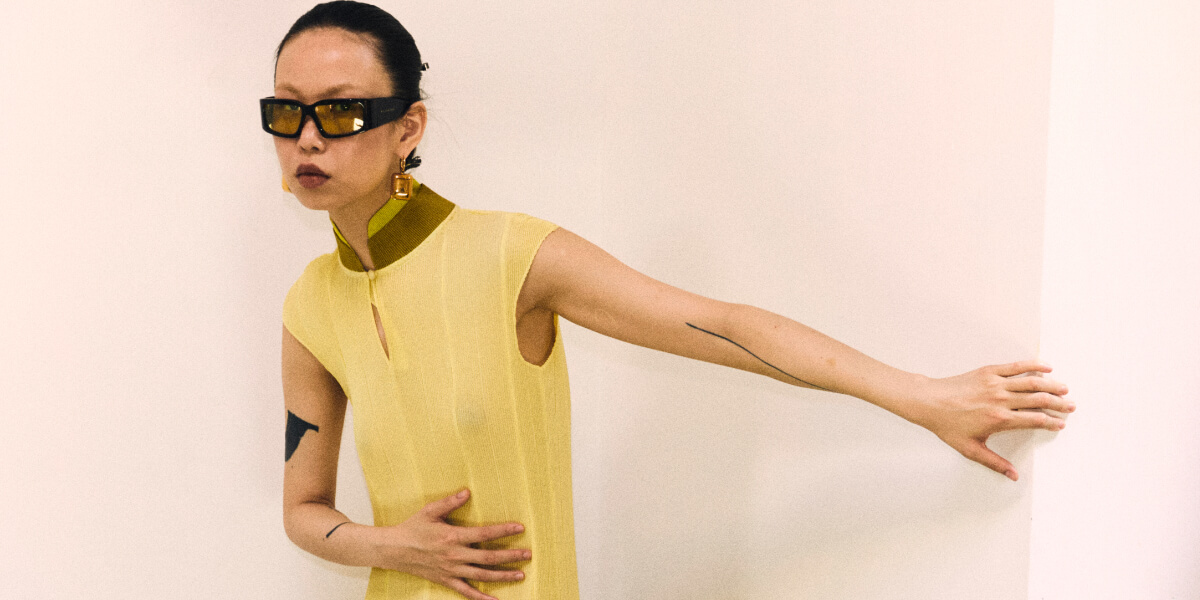
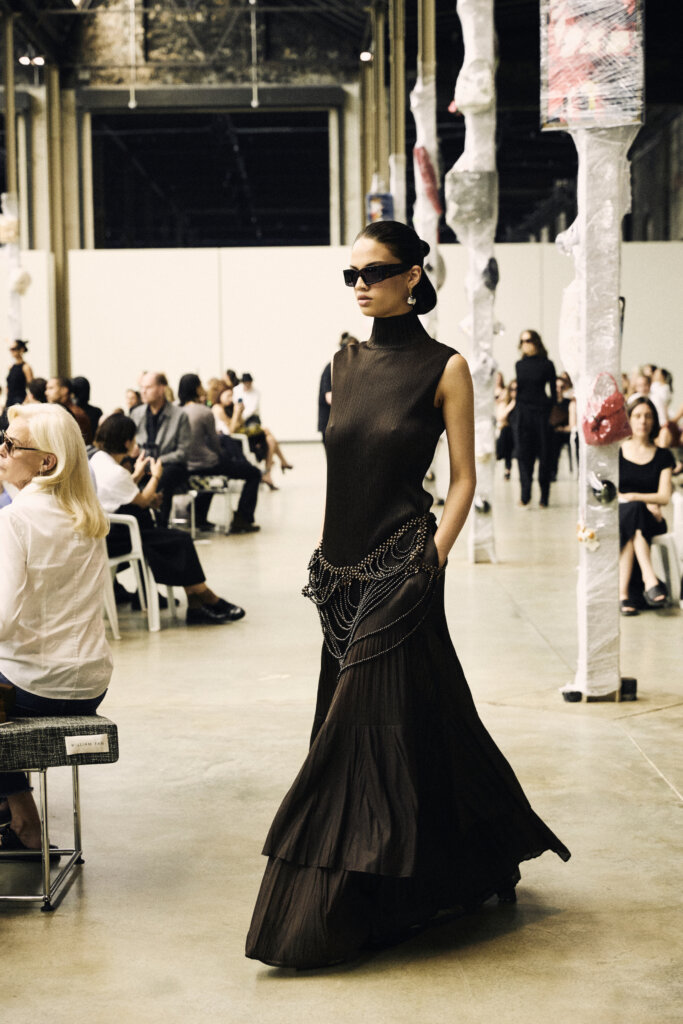
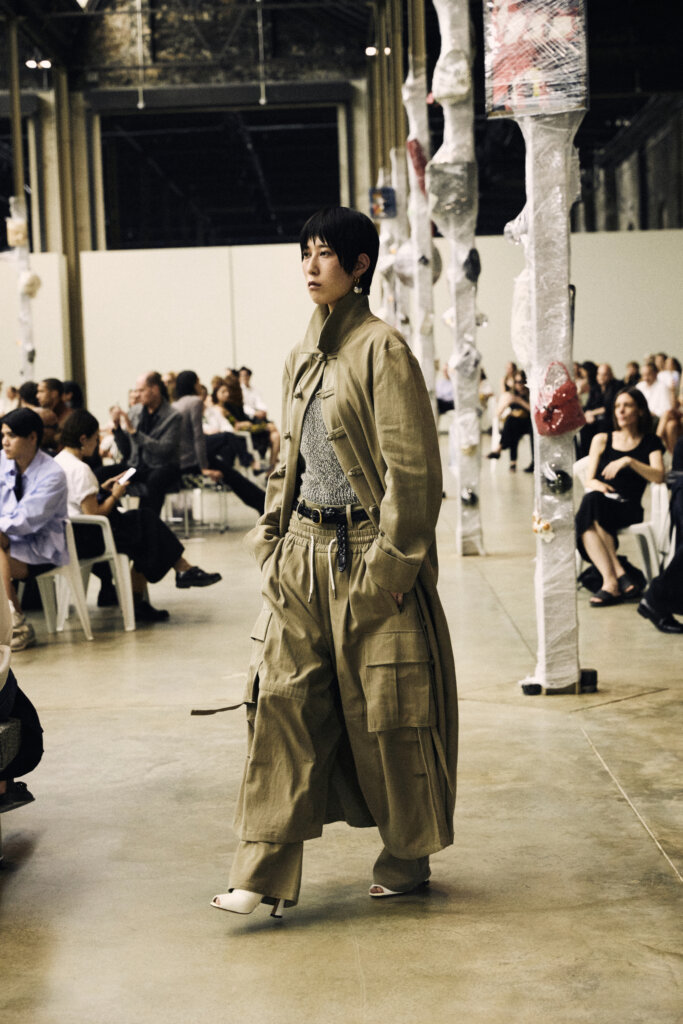
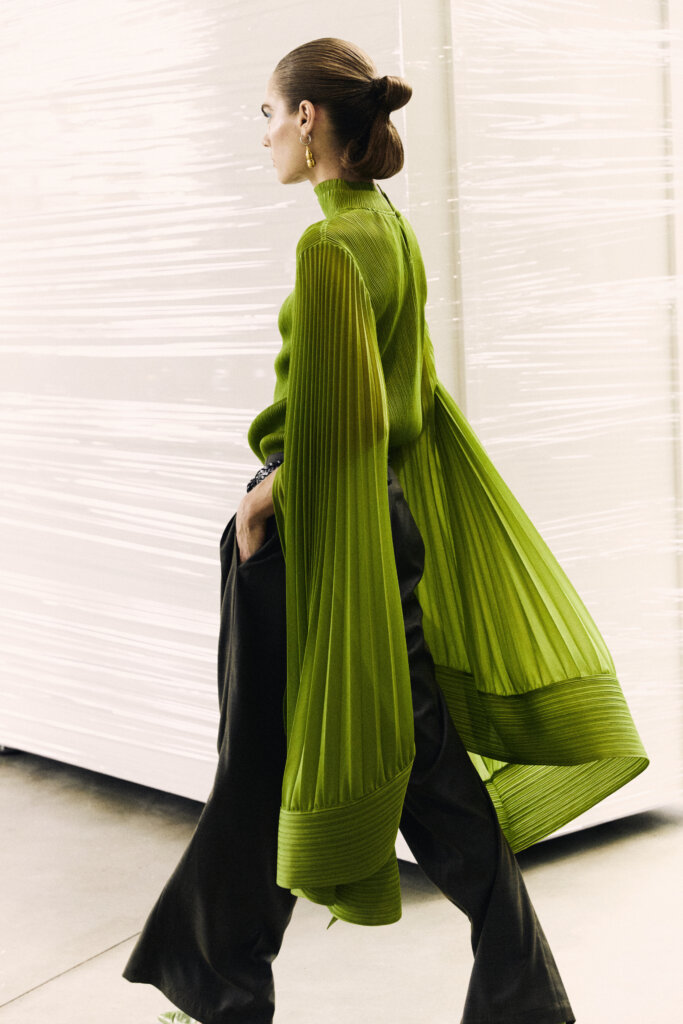
As the models wind their way through the room, the relationship between the collection and the set becomes increasingly clear. The objects preserved within the cling-wrapped columns are echoed in garments that feel equally layered with history. Relaxed tailoring, sculptural pleats, and softly weathered fabrics suggest clothes that have already traveled, collecting stories and memories along the way. Inspired by marketplaces from Marrakech to Tokyo, Shanghai, and Hong Kong, *EXCHANGE* considers the emotional lives of objects: how souvenirs, heirlooms, and everyday keepsakes gather meaning as they move between places and generations.
Once the final applause dies down, I head backstage in search of William Fan. He’s surrounded by models, photographers, and journalists, all vying for a moment of his time. After a few minutes, I finally manage to pull him aside, and we settle in front of a wall of Polaroids capturing every look from the collection. I pause to study them before we begin talking. Dressed in an effortlessly chic all-black look, Fan has a quiet, gentle presence. He speaks with the same ease, answering thoughtfully and never making our brief conversation feel rushed. It’s a striking contrast to the mild chaos unfolding around us. His team, still remarkably composed, has already begun dismantling the world they’d spent months bringing to life. Somehow, amid it all, Fan remains completely unflustered.
First of all, how are you feeling, other than relieved?
I’m feeling good. I mean, I was really cooking on this collection. I’m very happy about the whole scenery, the music, the objects… Everything came together at the right time. So yeah, I’m very happy.
What would you say was the first seed that inspired the collection?
It was my travels this year. I was on the road for eight weeks. I started in Marrakech, then went to Seoul, then Tokyo, and visited flea markets and the Shanghai Antique Market. The whole collection is really inspired by those market experiences. I approached it with a collector’s mindset, picking up interesting things. That’s how I work. I’m very inspired by curated objects and collections.
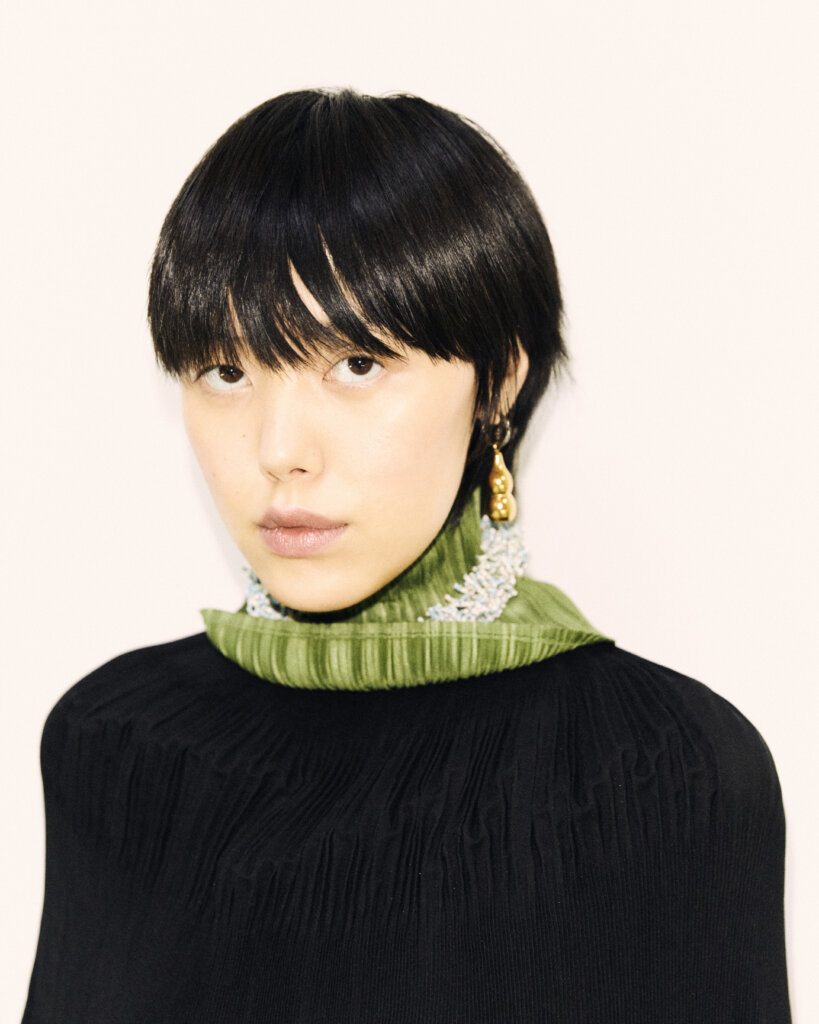
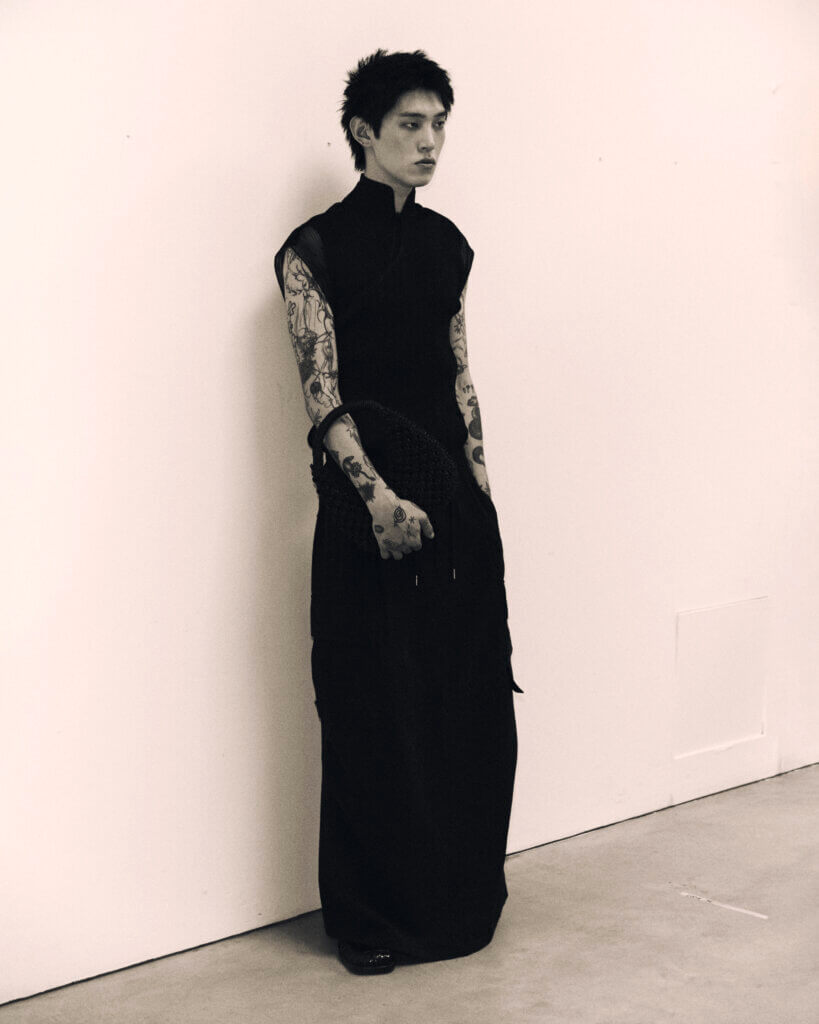
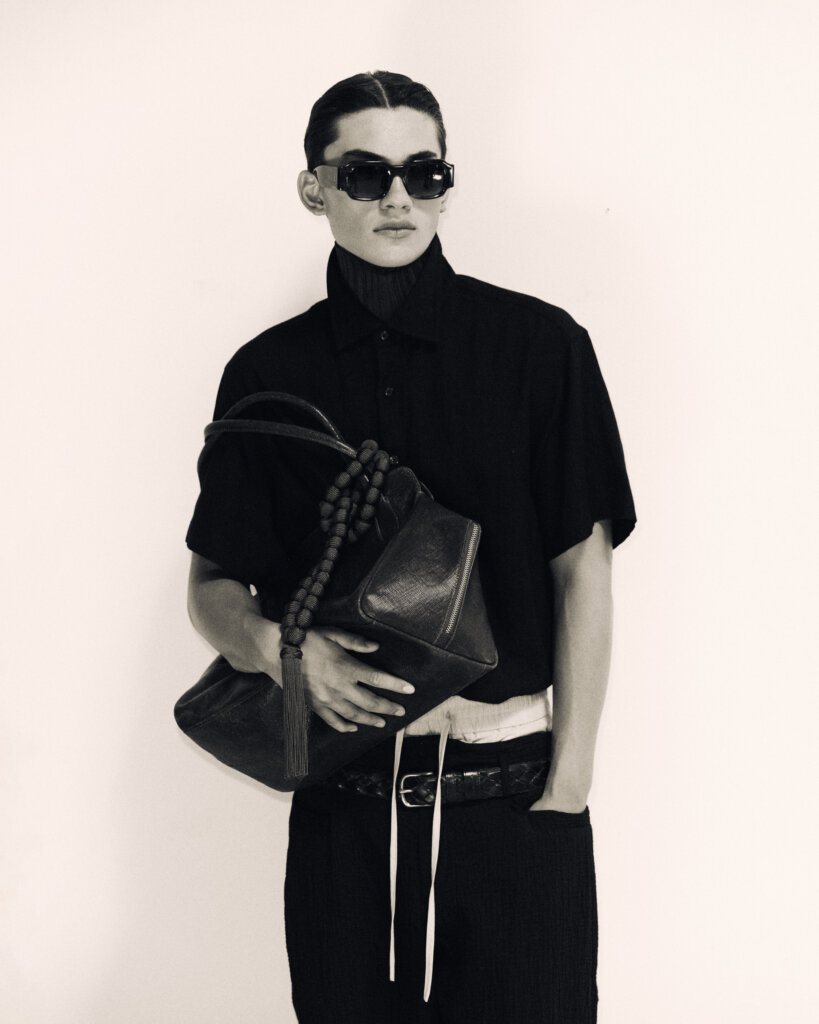
I noticed so much movement in this collection. Did you think about this during the process?
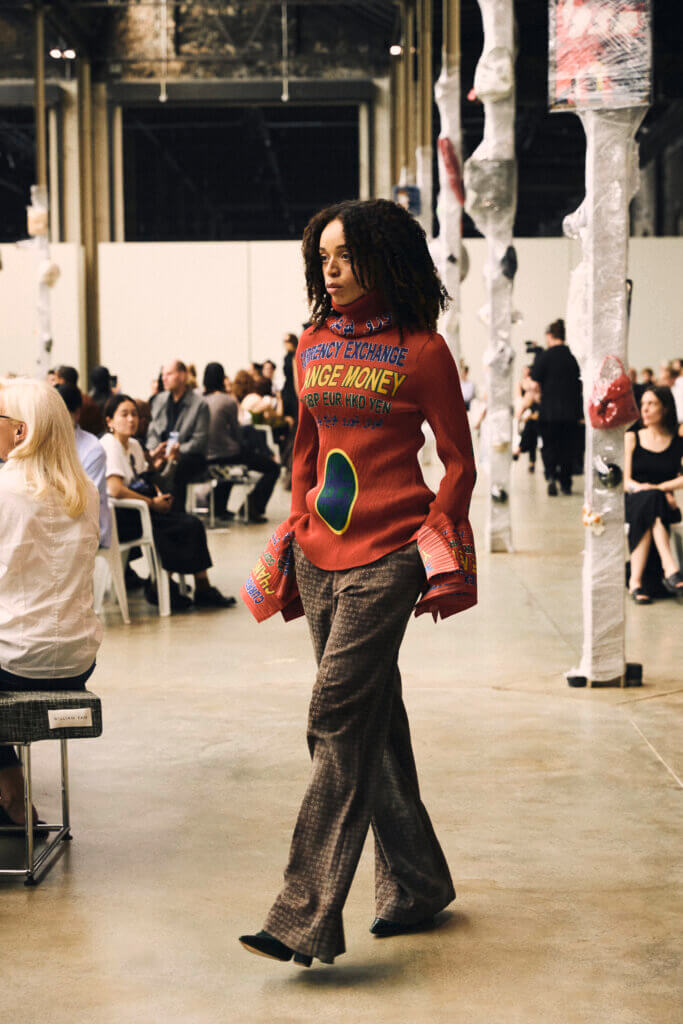
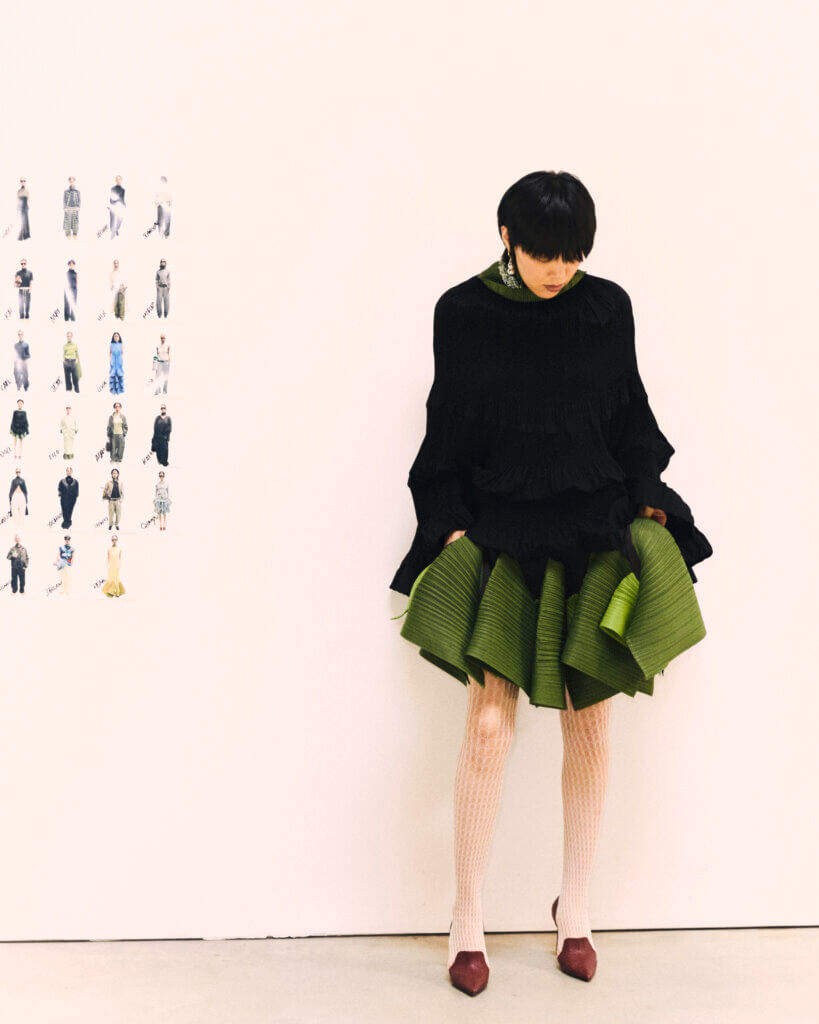
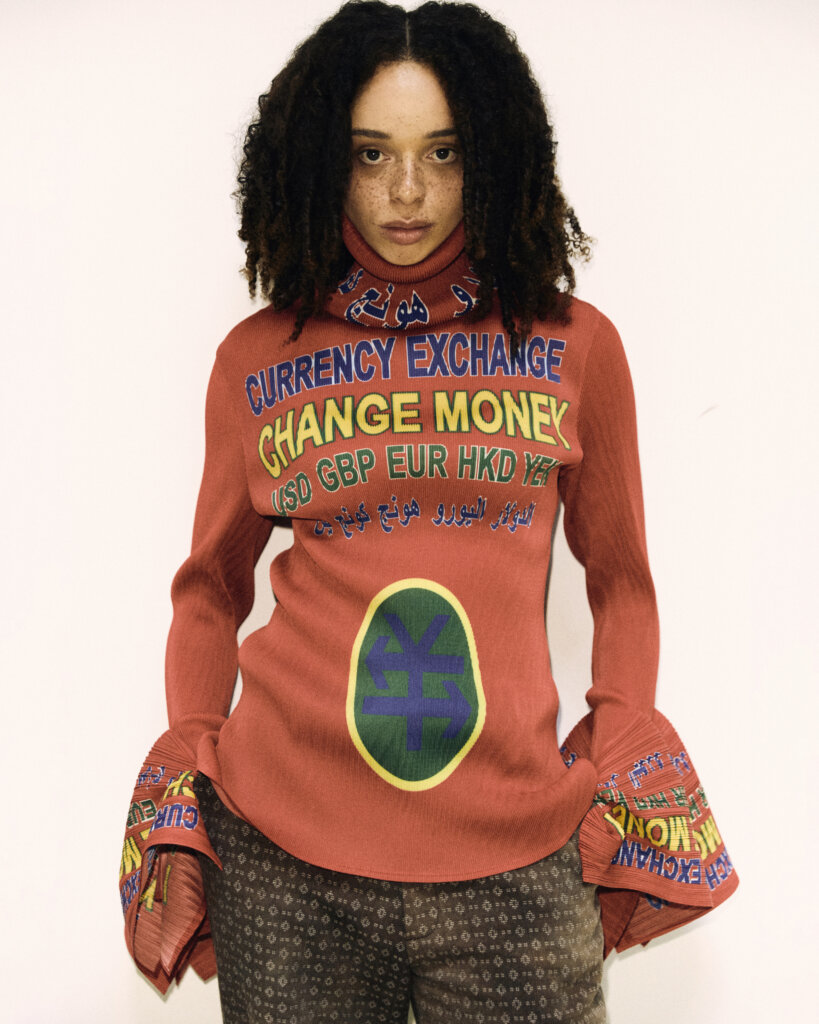
It is, yeah. I wanted everything to feel lighter and bouncier. When you travel, you feel good, you feel lighthearted. That was the feeling I wanted to capture. We even started with the currency exchange motif, because that’s one of the first things you experience when you enter a new country. The collection is really my eight weeks of travel condensed into one collection.
In terms of sustainability, that’s obviously something people are very conscious of. How does that factor into your work?
Everything you saw is made from stock materials. We work with leftovers from the industry rather than creating new production. We use whatever already exists; we don’t produce new fabrics. It’s essentially upcycling with leftover materials.
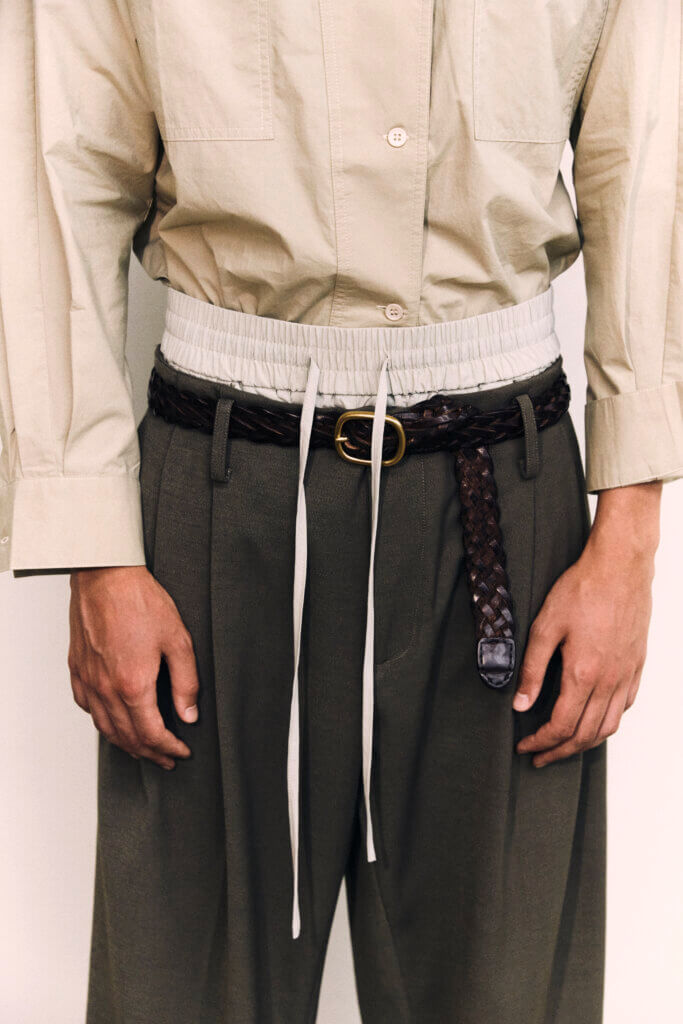
And when it comes to neutrals versus color, what do you naturally gravitate towards?
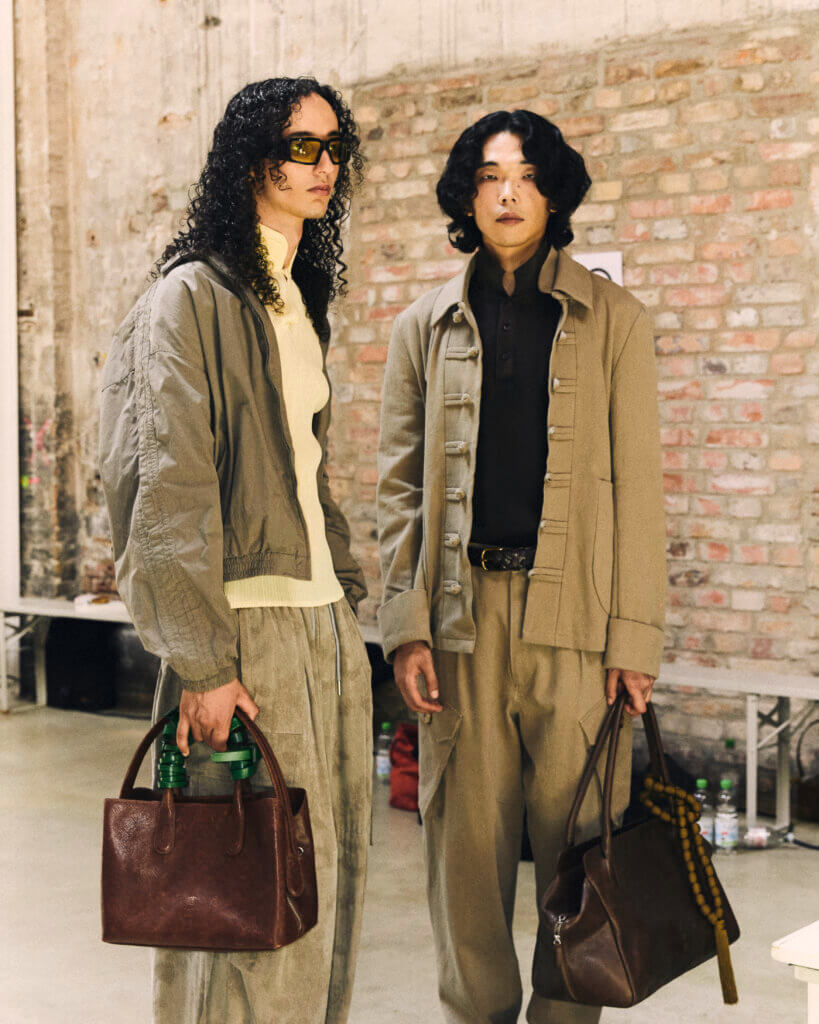
Personally, definitely neutrals. That’s what my own wardrobe is mostly made up of. But I really enjoy color too. If you look through all my collections, I’ve always used color. I’m not afraid of it.
Is there a color that defines this year for you?
I don’t know. I’ve always loved green.
And who does the music curation for your walks?
It’s all me—it’s my own playlist.
One last question. How important are accessories? Do you feel they’re essential to completing a look?
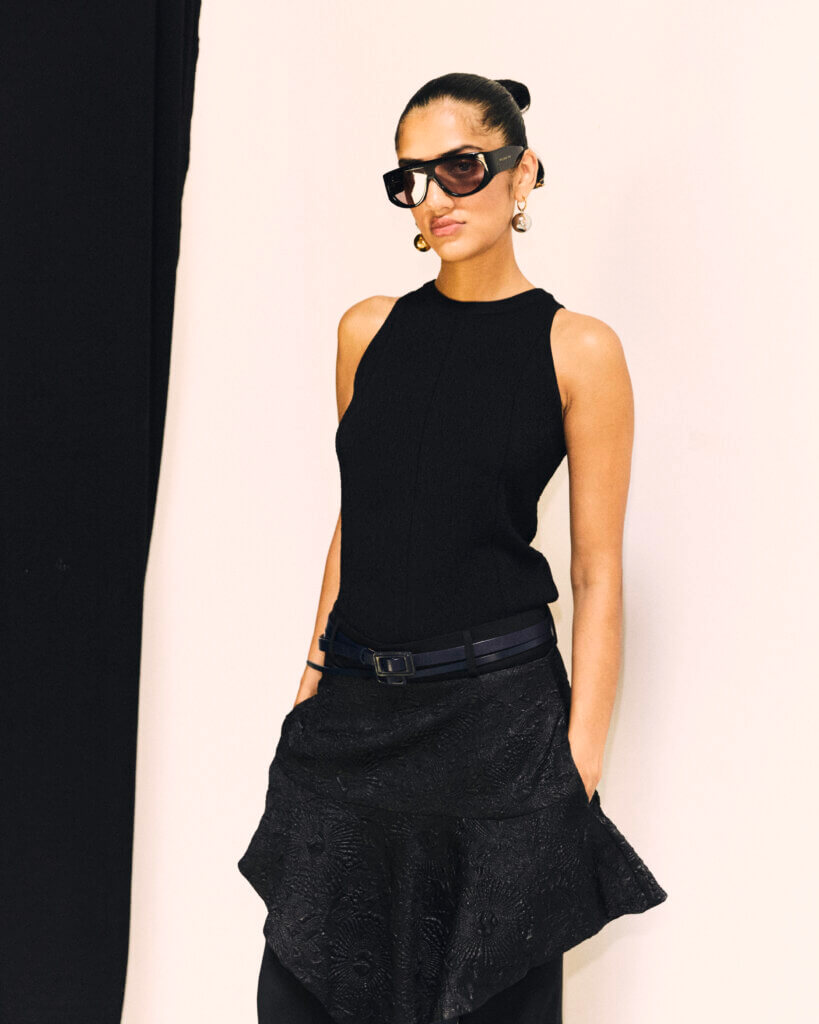
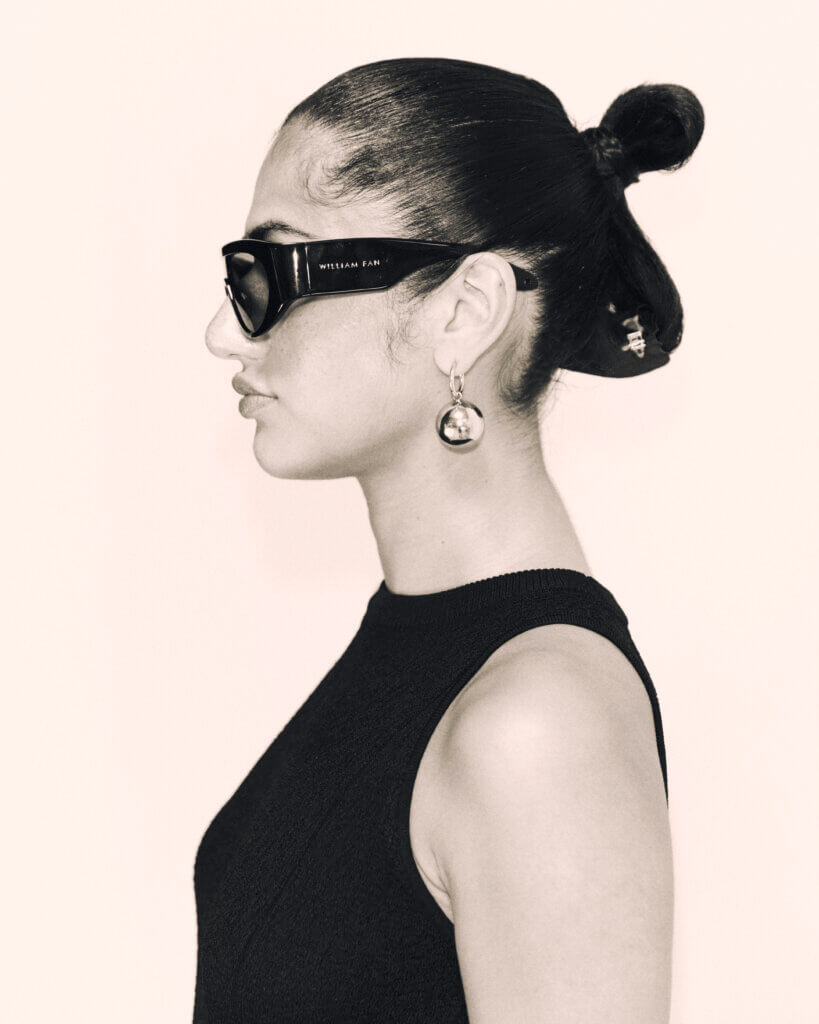
One hundred percent. Glasses, jewelry, bags, belts—definitely. Accessories are necessary because they really bring everything together.
Images shot by Nikos Karpouzis
for exclusive behind-the-scenes TITLE coverage of Berlin Fashion Week SS27