






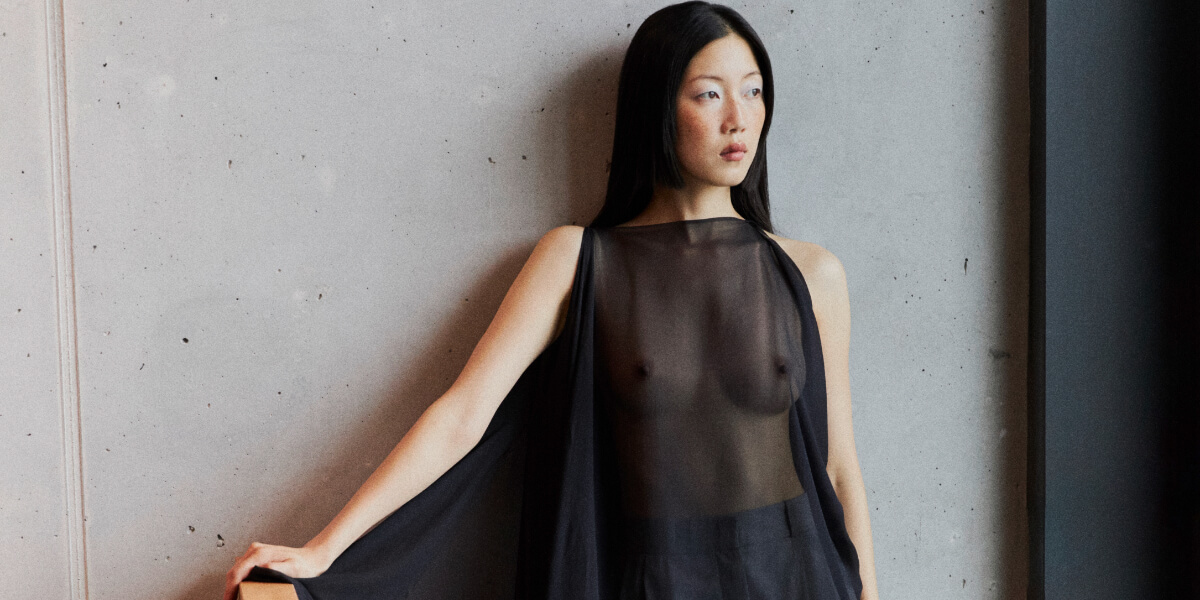
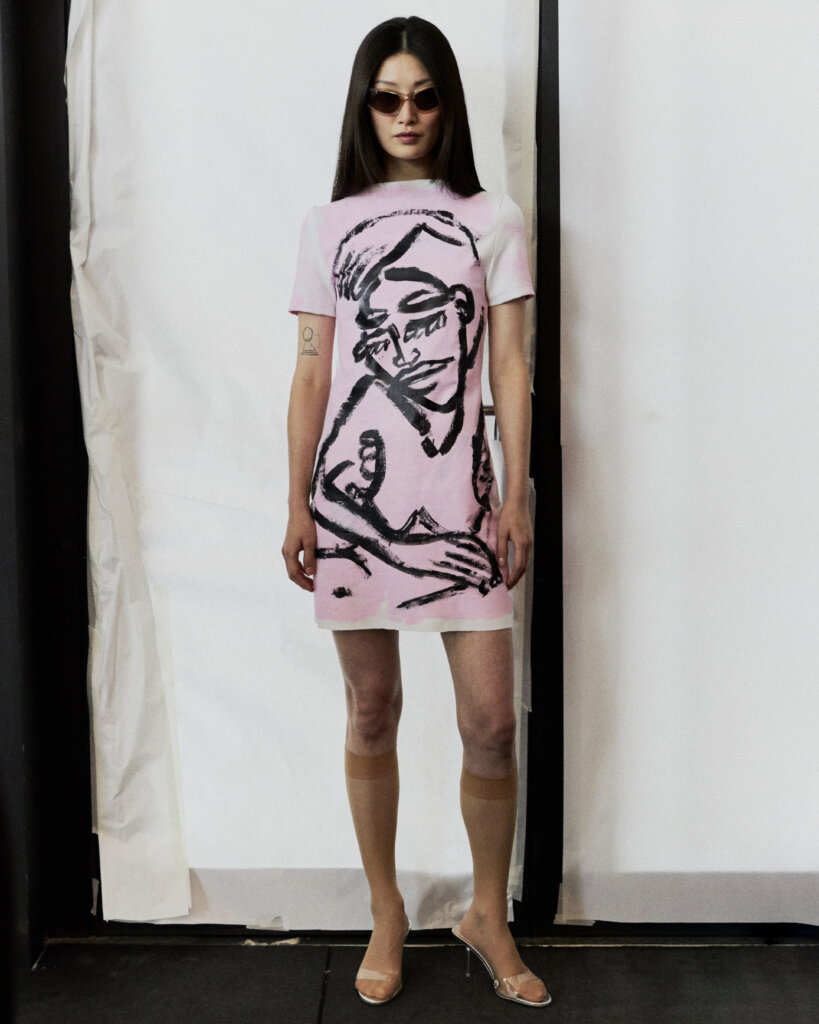
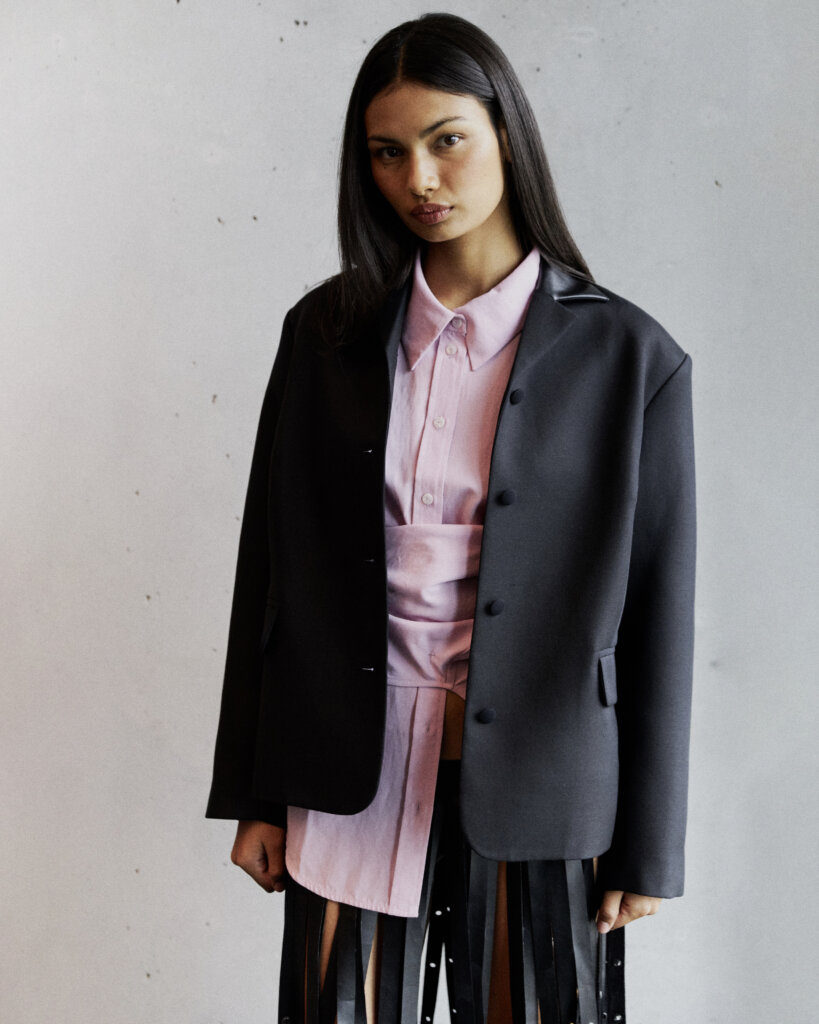
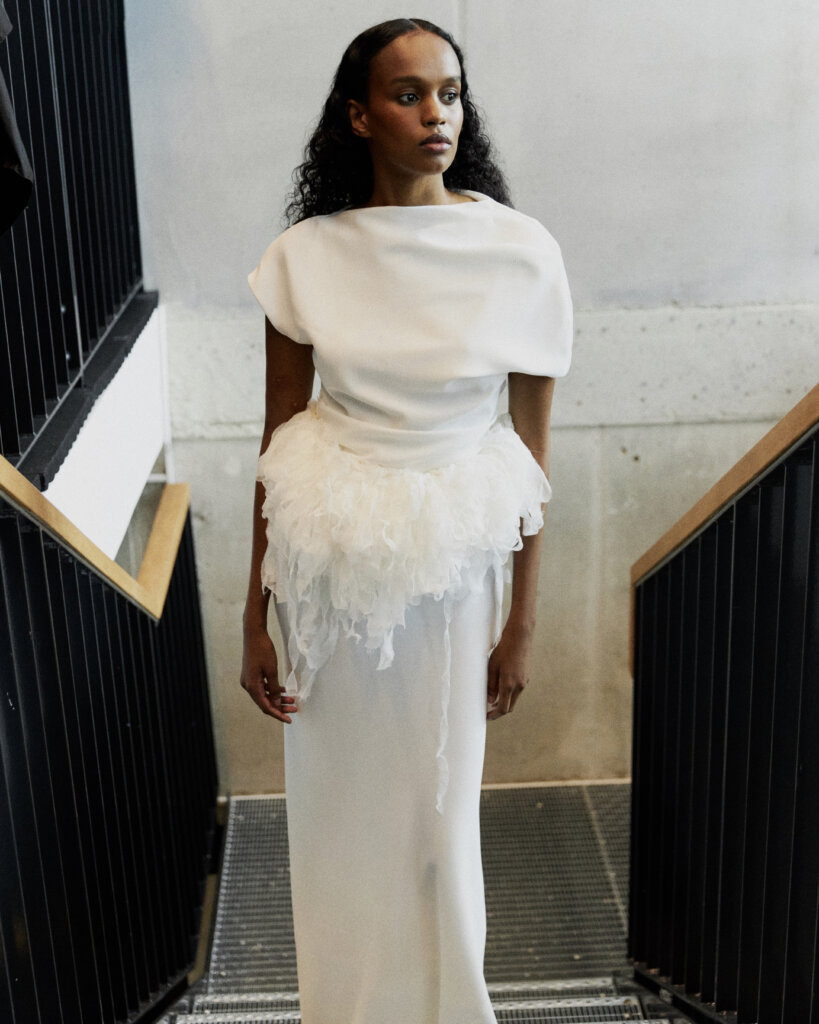
What does it mean to stay playful after fifteen years? For Malaika Raiss, the answer lies in returning to the beginning. *Playground Love*, the latest collection from MALAIKARAISS, revisits childhood crushes, imperfect memories and the joy of creating without expectation. Raiss transforms nostalgia into a confident celebration of creative longevity. Presented as part of Berlin Fashion Week and marking the label’s fifteenth anniversary, the show also signalled MALAIKARAISS’ return to the runway after a short hiatus, reaffirming the independent spirit that has made it one of the city’s defining fashion houses.
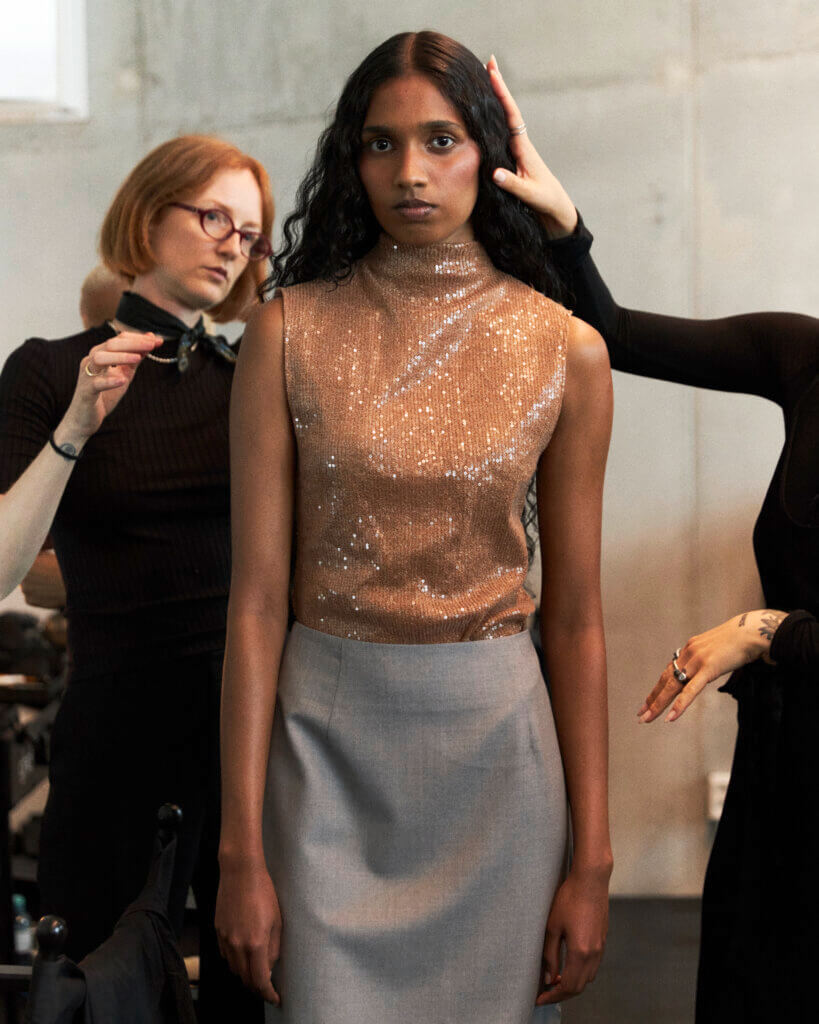
Inside an industrial playground overlooking the Spree, models moved through a landscape of brutalist structures and soft daybeds. Familiar silhouettes were reimagined from the archive, deadstock textiles found new life through inventive craftsmanship, and jewellery became an integral part of the garments. Rather than announcing a new era, *Playground Love* suggested that curiosity and a commitment to your own vision are what allow a brand to evolve while remaining true to itself.
Following the show, TITLE sat down with Malaika to discuss revisiting the archive, designing through nostalgia, and fifteen years of MALAIKARAISS.
You’ve lived and worked in Berlin throughout your career. How has the city’s creative energy shaped your practice?
Berlin has always been a source of creative fuel for me. The possibilities here feel almost limitless. Even though the city has evolved over the years, it still feels like a melting pot where anything goes.
Looking back, has your definition of “good design” changed over the years? Were there particular experiences or moments that reshaped your perspective?
For me, good design has to be wearable. Besides a design being expressive, innovative, and detailed in its execution and craftsmanship, it also has to function on a (woman’s) body. Ultimately, you don’t just want to wear a designer or investment piece for special occasions alone, but you want it to accompany you through life for a very long time.
The MALAIKARAISS woman is described as embodying “confident ease” and “cool femininity.” How has your understanding of femininity evolved over the course of your career, and how does that continue to inform your designs today?
I think femininity can be expressed in many different ways, but at its core, it’s about celebrating your softer side. Sometimes that’s playful, other times it’s very understated. Today, even a suit inspired by menswear can look both refined and deeply feminine. You don’t have to dress for, or hide behind, the male gaze anymore.
Rather than treating each season as a fresh start, your collections are designed to build upon one another. What does this layered approach allow you to express that a more trend-driven model cannot?
It allows me to build lasting relationships with my customers that extend beyond seasons or trends and accompany them through different stages of life. If a tailored jacket or a particular dress fits you perfectly, you’re much more likely to buy it again in a different fabric or colour. A wardrobe that can be built over time, where pieces from different seasons can be mixed and matched, encourages people to buy less while investing in higher-quality, longer-lasting garments. I think longevity, craftsmanship, thoughtful material choices, and true value for money are the real game changers when it comes to sustainability.
The brand speaks of designing for the “zeitgeist woman.” Who is she to you today?
She’s busy. She has things to do and places to be. She’s self-made, self-aware, and culturally curious. She doesn’t follow trends, and she doesn’t overthink her wardrobe; she simply adapts with ease.
You place a strong emphasis on sustainability throughout your work. Have environmental considerations ever challenged your creative vision? If so, have those constraints ultimately led to more creative solutions?
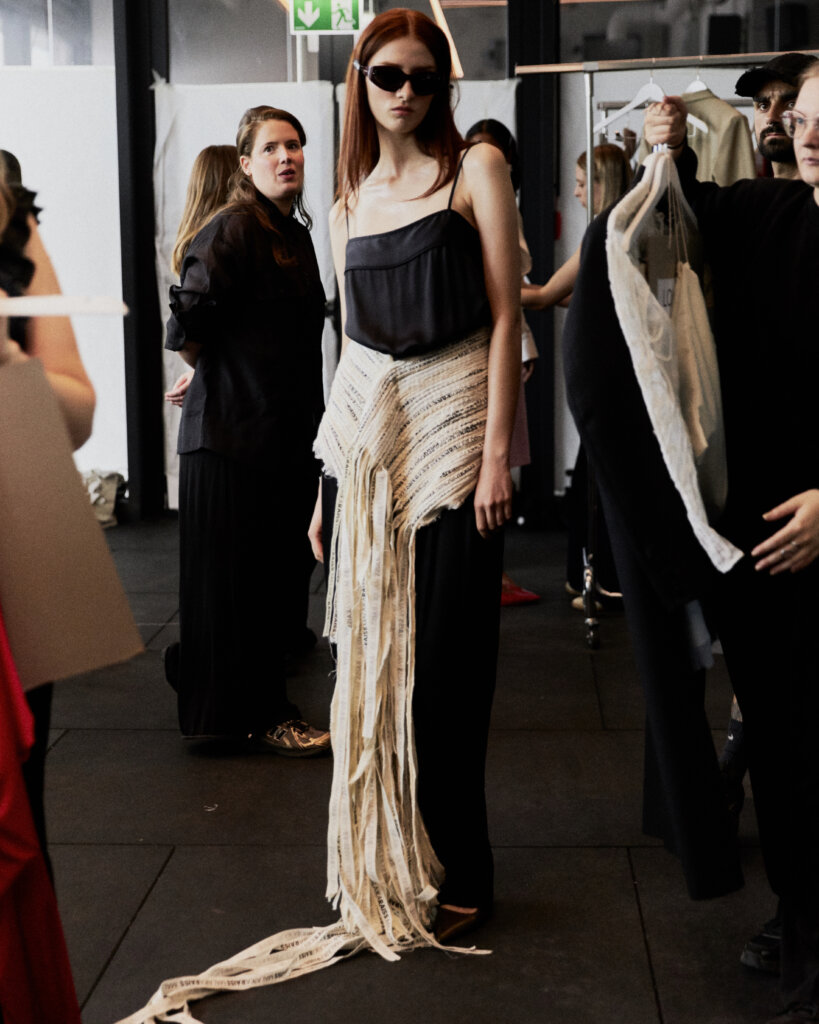
Working responsibly is an everyday challenge. You’re constantly having to come up with creative, out-of-the-box solutions. As an independent brand, we often don’t have access to the latest innovative materials because production capacity is tied up by the major luxury houses. For this collection, we worked extensively with re-woven textiles made from our own deadstock, developed in collaboration with textile designer Studio Bott.
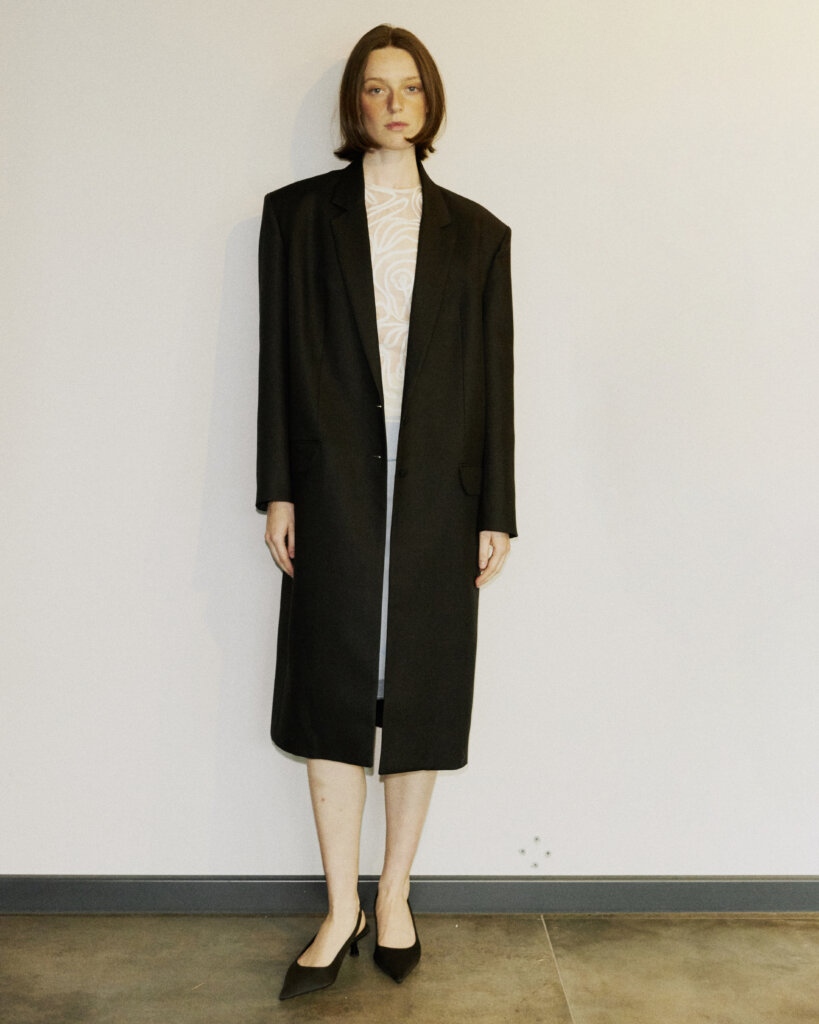
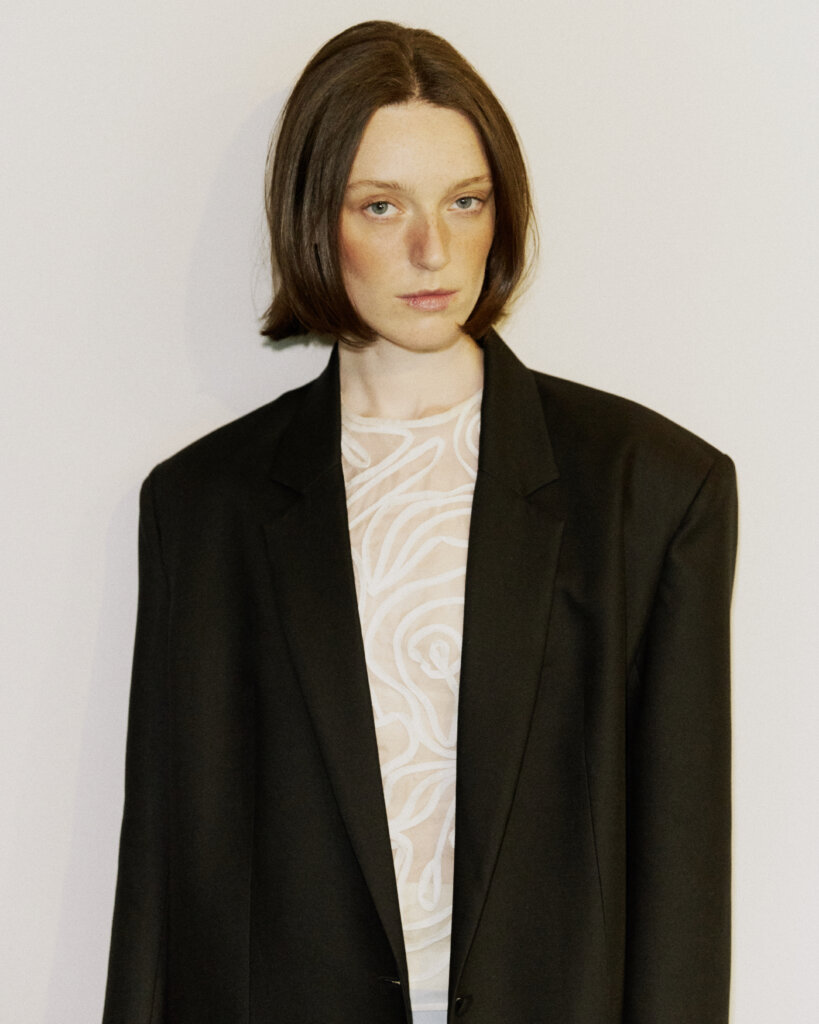
Your philosophy emphasizes longevity over sheer novelty. Do you think the way people value and invest in clothing has changed over the past decade? If so, how?
Absolutely. I think people are becoming much more conscious of what they spend their money on. The high-end vintage market is proof that great style isn’t about buying something new…it’s about investing in pieces that last.
Are there any designers whose work you’re finding especially inspiring at the moment?
I’ll always be a Marc Jacobs fangirl from a design perspective. In terms of contemporary fashion, I really admire Simone Bellotti’s new-age minimalism, and I also love what Duran Lantink is doing.
Looking ahead, are there ideas, materials, or collaborations you’re especially excited to explore in the next chapter of MALAIKARAISS?
We have a new collaboration coming up on a lifestyle product, and we’re working with glass for the first time, which is incredibly exciting.
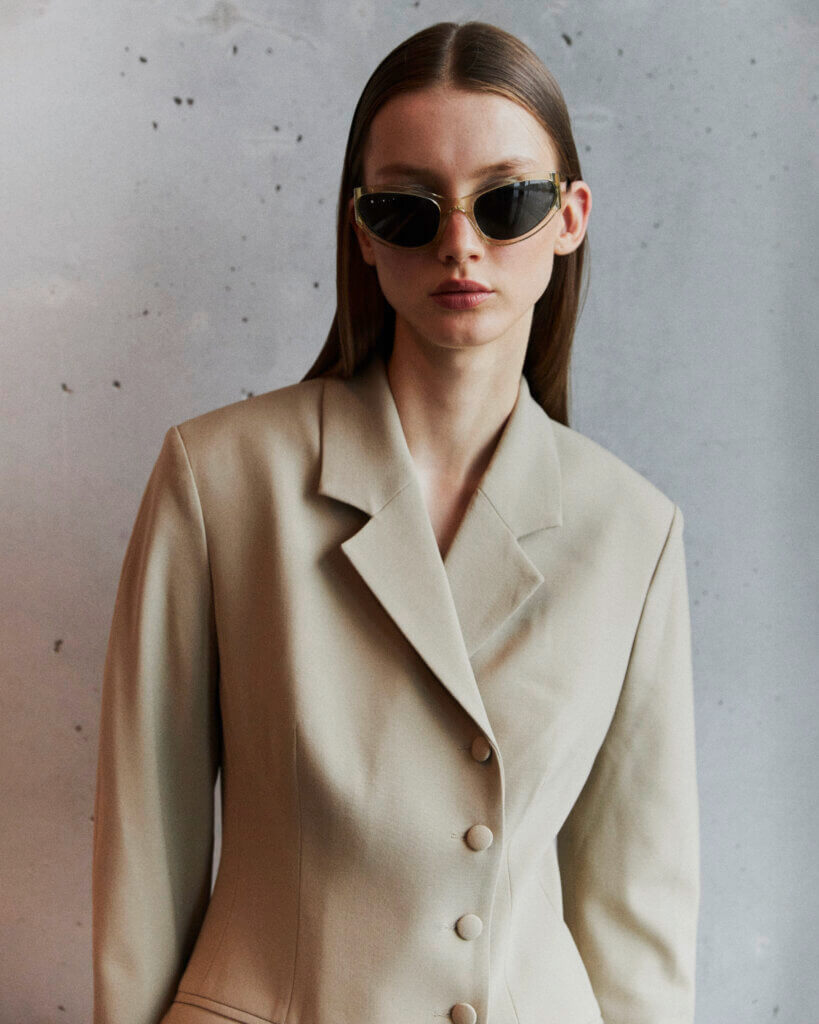
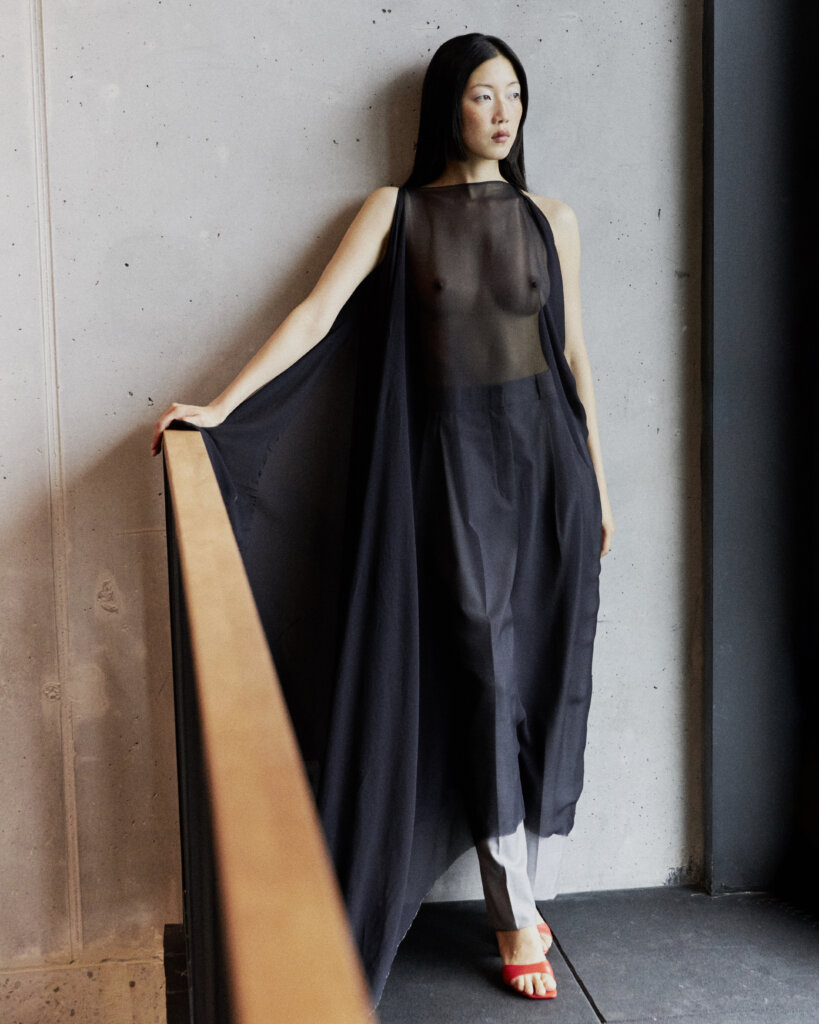
Images shot by Nikos Karpouzis
for exclusive behind-the-scenes TITLE coverage of Berlin Fashion Week SS27