






Fashion is an integral part of the charm and storytelling power of visual media, from paintings to cinema. The same goes for manga and anime, comics, animation films, and shows originating in Japan. As in live-action cinema and TV series, in manga, sun characters’ fashion choices reveal a lot about their personalities, personal histories, and the worlds they inhabit.
The real-life, media, and historical inspirations behind manga and anime characters’ fashion are as varied as the stories translated into this beloved medium. One of these sources of inspiration is fashion, high fashion, and fashion magazines: the result is some of the most iconic fashion moments in the 2D world of manga and anime.
From JoJo’s Bizarre Adventure to Sailor Moon – how the fashion world inspires mangaka
Perhaps unexpectedly for those unfamiliar with the medium, one of the most fashion-forward manga is a Shōnen one, a type of comics that targets chiefly teen boys and belongs to the action-adventure genre. The manga in question is the ongoing JoJo’s Bizarre Adventure, written and illustrated by Hirohiko Araki. The story follows the lives and adventures of multiple generations of the supernaturally gifted and stylishly attired Jostar family, whose escapades include fighting a vindictive vampire, a politician, and a couple of crime lords.
While JoJo’s Bizarre Adventure storylines are incredibly imaginative, its most distinctive feature is arguably its unique art style. It blends the features of Baroque art, the visual art style that flourished in Europe between the 17th and 18th centuries, characterized by exaggerated musculature, emotional exuberance, and dramatic chiaroscuro, with the theatrical poses of fashion models in 1980s fashion magazines such as Vogue and Harper’s Bazaar. What comes out of this blend of influences is the viral “JoJo poses”, further immortalized by the song by Apollo Fresh titled JoJo Pose. The influence of fashion on JoJo’s Bizarre Adventure, though, isn’t limited to the fashion-magazine-inspired poses.
Araki, in fact, has drawn plenty of inspiration for his characters’ absurdist, elaborate, and exquisitely campy outfits from the high-profile Italian fashion houses Versace and Moschino, from the works of fashion illustrators Antonio Lopez and Tony Viramontes, and from the outfits sported by American musician Prince. While the world of fashion has long inspired the mangaka, it’s also safe to say that the feeling is mutual. The fashion company Gucci, the Japanese fashion magazine Spur, and Araki have, in fact, collaborated on two comics: Rohan Kishibe Goes to Gucci (2011) and Jolyne, Fly High with GUCCI (2012).
Another mangaka who has inspired the fashion world is Ai Yazawa, whose work has similarly drawn from fashion influences. Her manga NANA, a Shōjo comic aimed at teen girls and young adult women, ran from 2000 to 2009 and follows the lives of two young women named Nana as they build a life for themselves in Tokyo in their 20s. For their looks, Yazawa drew inspiration from the fashions of 90s-00s Harajuku subcultures and Vivienne Westwood’s punk-inspired designs. In 2025, to commemorate NANA’s 25th anniversary, the British brand released a limited NANA-themed capsule collection inspired by both Nanas’ different personal styles and reimagined versions of archival pieces, such as the Giant Orb lighter.
While JoJo’s Bizarre Adventure and Nana are well-known for their fashionable moments, Araki and Yazawa aren’t the only mangaka who have looked to fashion for inspiration. One Piece by Eiichirō Oda is undoubtedly one of the most famous Shōnen of all time. It follows a ragtag pirate crew, the Strew Hats, as they pursue their dreams and freedom in a world dominated by structural inequality and injustice, with a strong anti-establishment and anti-capitalist message. Oda’s characters wear clothes in all sorts of styles, but some fits are clear references to specific looks and characters from other media. At some point in the story, Nami, the crew’s navigator, wears a dress that looks inspired by the iconic black chain dress from the Chanel 1992 Spring/Summer collection. Additionally, the character design and fashion style of Miss Valentine, one of the antagonists the Straw Hats meet early in the story, was inspired by 1960s British model and fashion icon Twiggy.
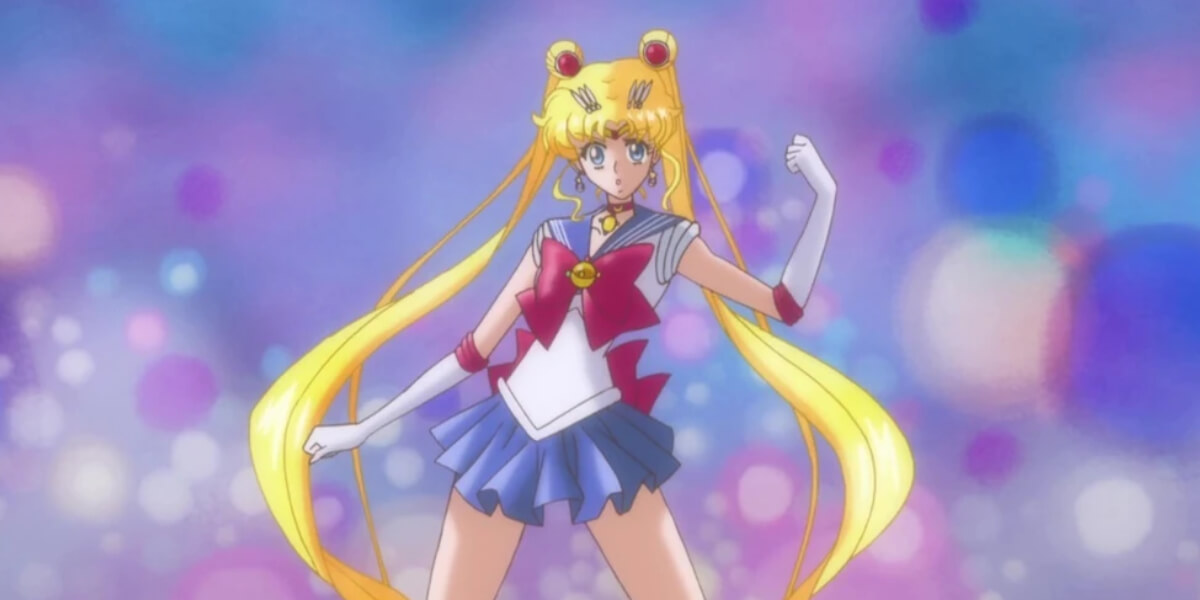
Speaking of vintage fashion, there is one manga more than any other that is basically a time capsule of 90s fashion: Naoko Takeuchi’s iconic series Sailor Moon, which sold more than 35 million copies in print worldwide. The story centers on a teenage Toyoite named Usagi Tsukino, who finds out from a talking cat that she is the reincarnation of the titular Sailor Moon. With a group of comrades, the Sailor Guardians, she protects the Solar System from the plans of a colorful, stylish series of villains. The manga notoriously drew inspiration from the decade’s Japanese street style, with plenty of high-waist garments, preppy outfits, denim, and pastels, but also looked to couture and fashion, creating looks heavily inspired by specific runway looks from Chanel, Versace, Thierry Mugler, and Christian Lacroix. The outcome is timely and timeless, fitting for the most famous Shōjo to date.
In a world where fashion transcends runways, the styles of these beloved characters not only define their narratives but also continue to inspire real-life trends, proving that the fusion of visual media and fashion reflects and shapes our culture.