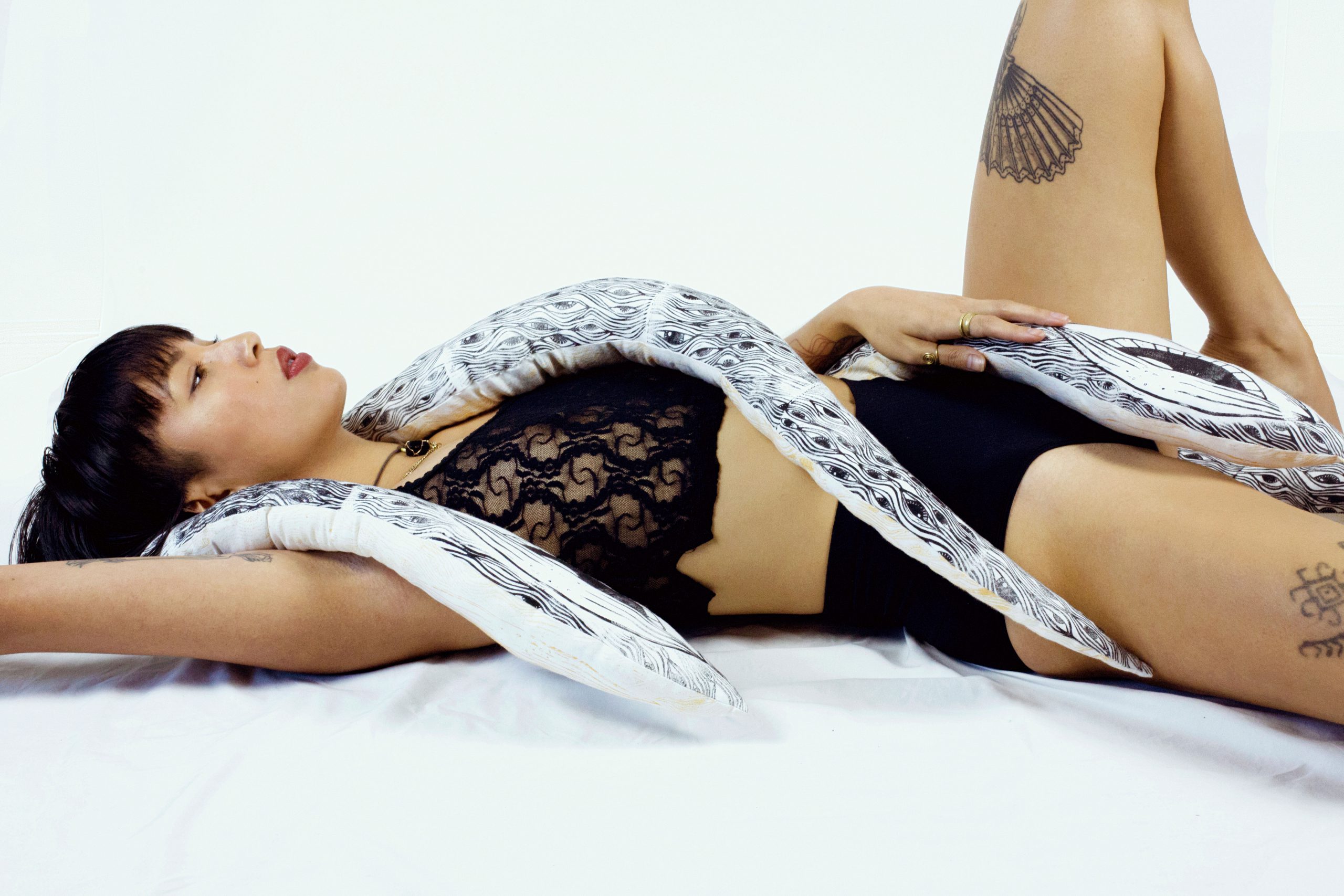






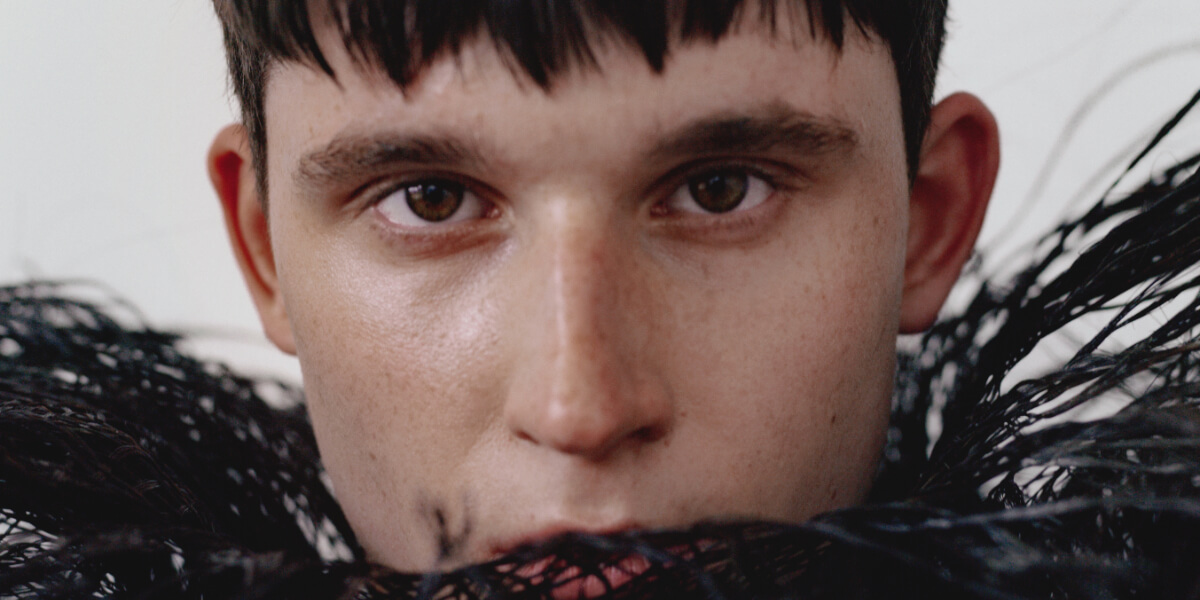
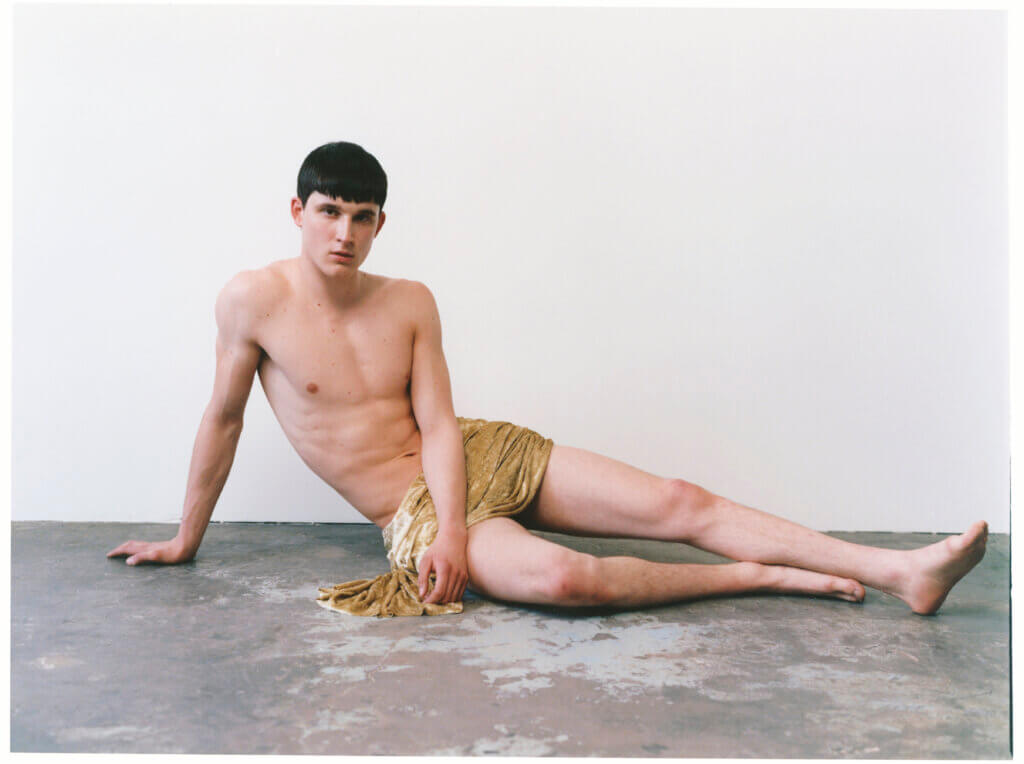
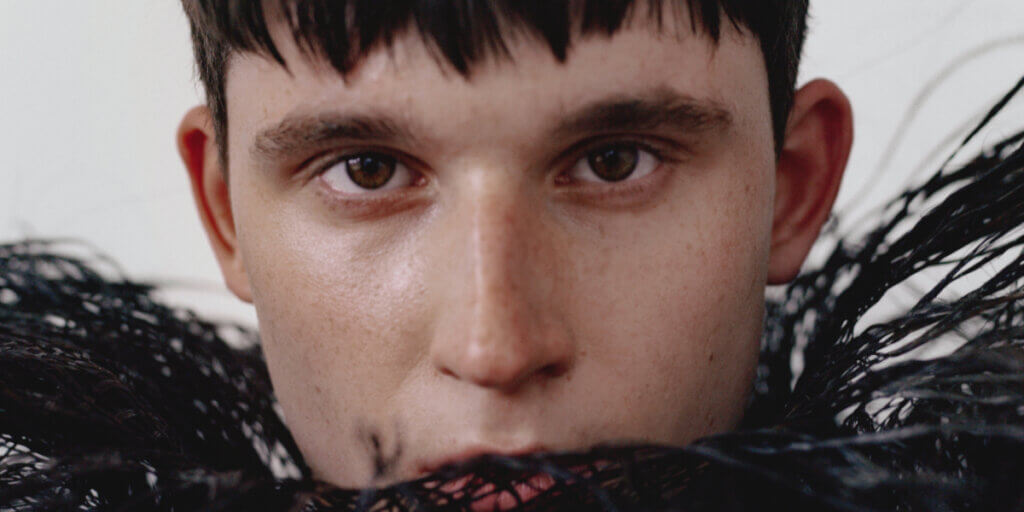
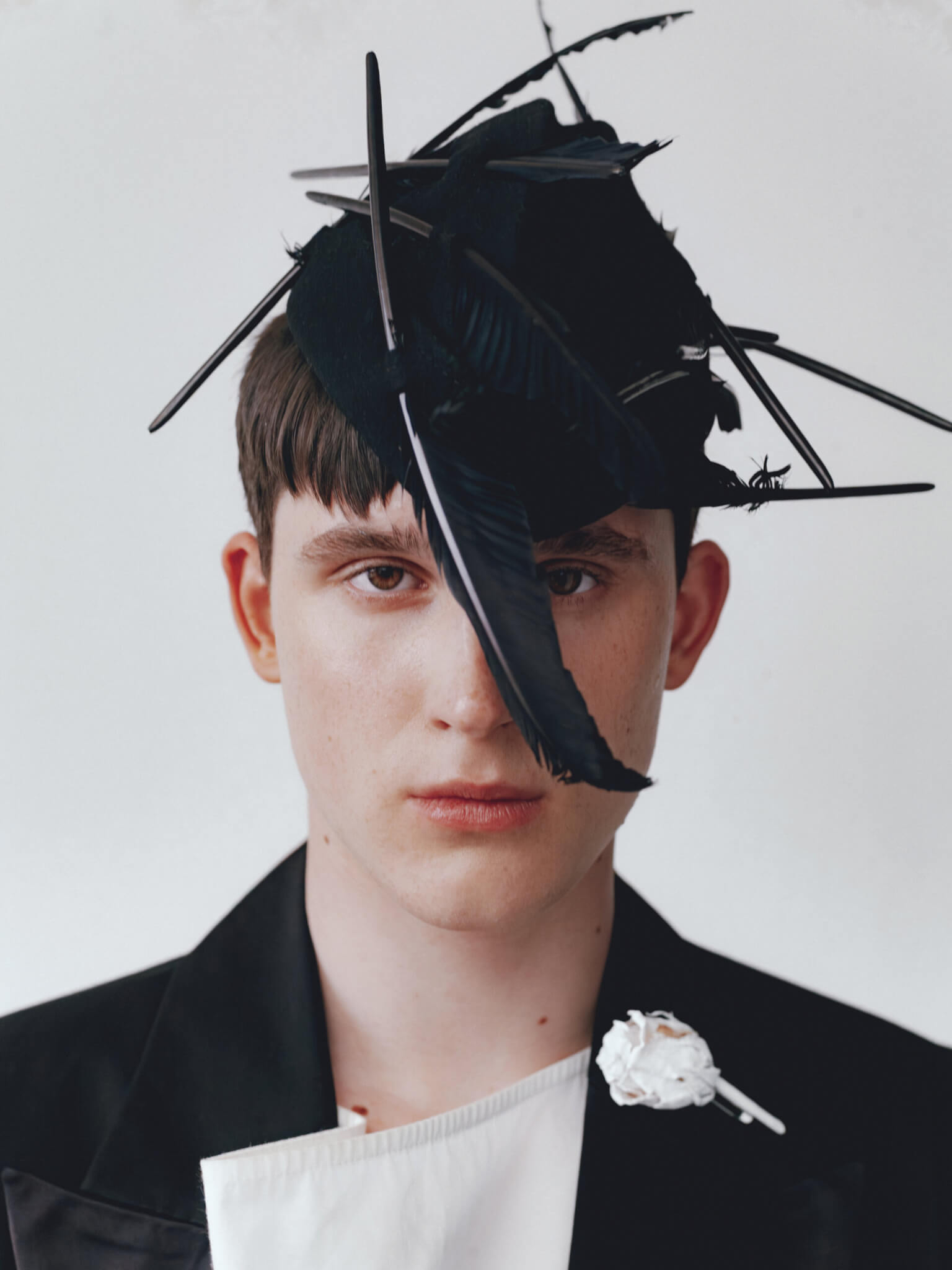
There is something inherently radical about the subtle messaging and the way Agustín Farías chooses to photograph people. Nothing feels rushed or overstated. His images ask for time instead of screaming for attention. A glance, a subtle shift, a slight change in posture, the weight of natural light, or the surreal interruption of a rose suspended mid-air become enough to suggest that something has changed.
An Hour Until They Woke You unfolds while sleeping and waking; dreams dissolve into memory and reality begins to take shape. Transformation needs no dramatic event to exist, Farías captures it as something with deeper meaning, outside of spectacle. A sequence of almost imperceptible moments that invite the viewer to slow down and look again. Reset to transform, and transforming as reset.
In this conversation, the Berlin-based photographer reflects on his fascination with analogue photography, the materiality of making images, and why resisting comparison has become the most important creative reset of all.
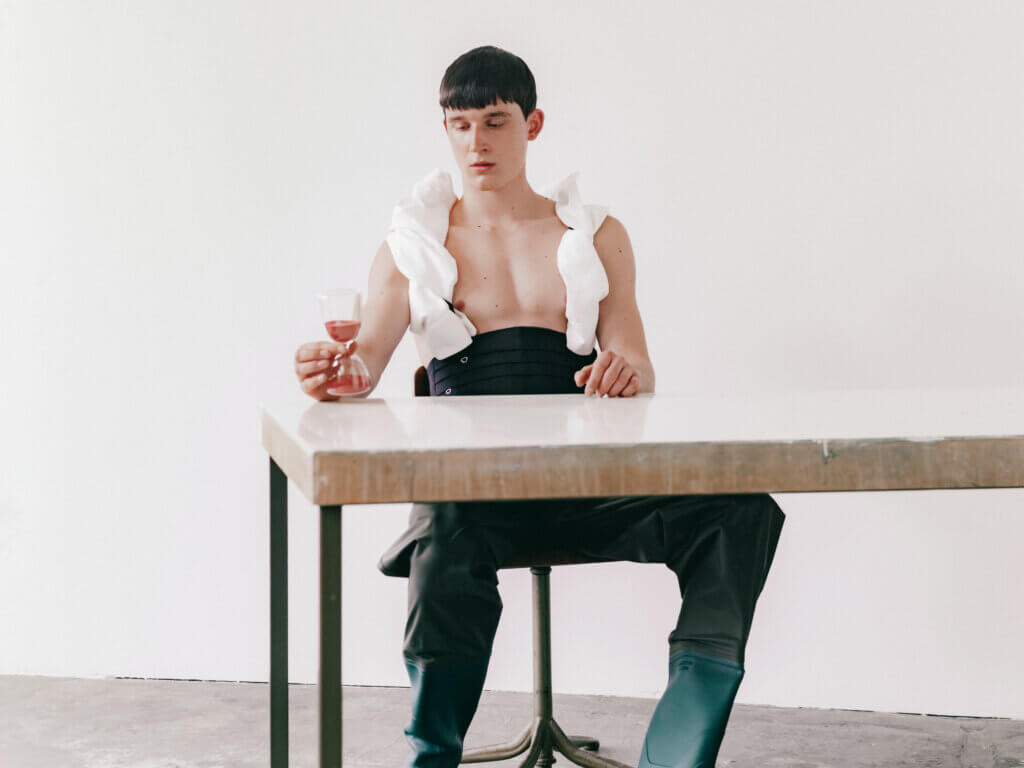
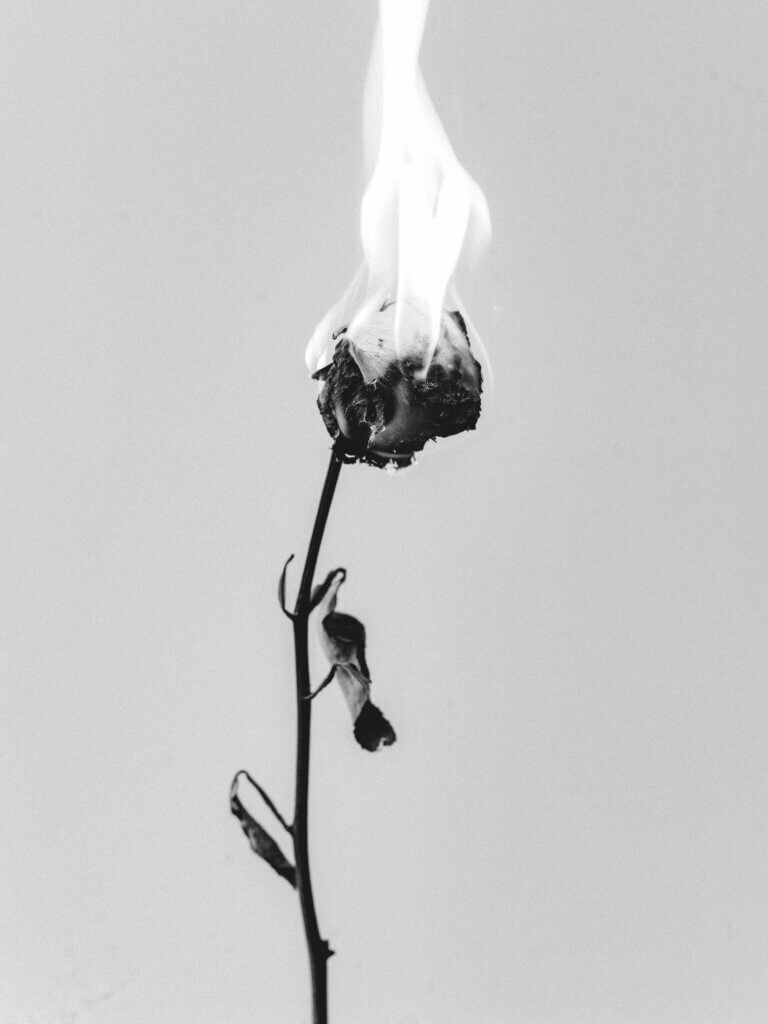
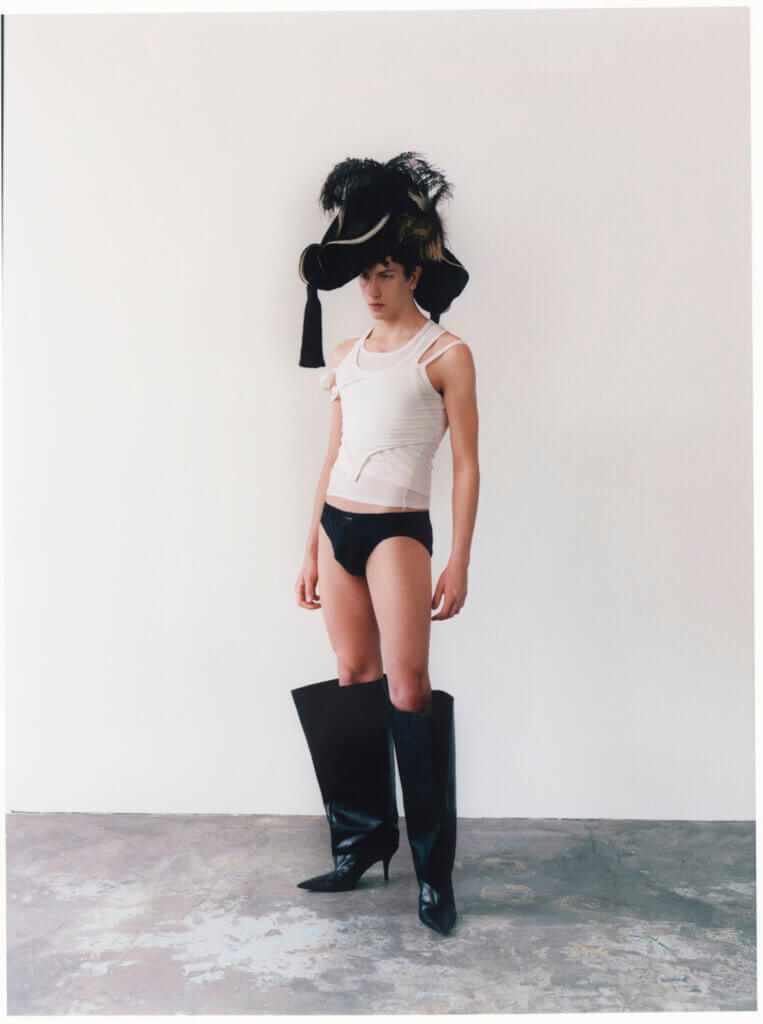
Top: Shirt & Belt – 22/4_HOMMES_FEMMES, Bottom Right: Top – ALAINPAUL, Boots – Balenciaga, Hat – Bonfilio hats
What does resetting mean to you? In what ways do you ‘reset’?
When I think about resetting, I think of sleeping. I don’t need dramatic, energetic changes to reset; sleep is enough.
An hour until they woke you plays with themes of transformation and the passage of time. What inspired this concept?
I have an artwork in my bedroom called ‘In the Moment You Fall Asleep’ by Yorgos Sapountzis. I think it’s interesting how he thinks about performance across these different states: being awake, falling asleep, dreaming, waking up, and thinking about your dreams. I was exploring these states in my shoot, with the rose appearing mid-air, like a dream, acting as a protagonist.
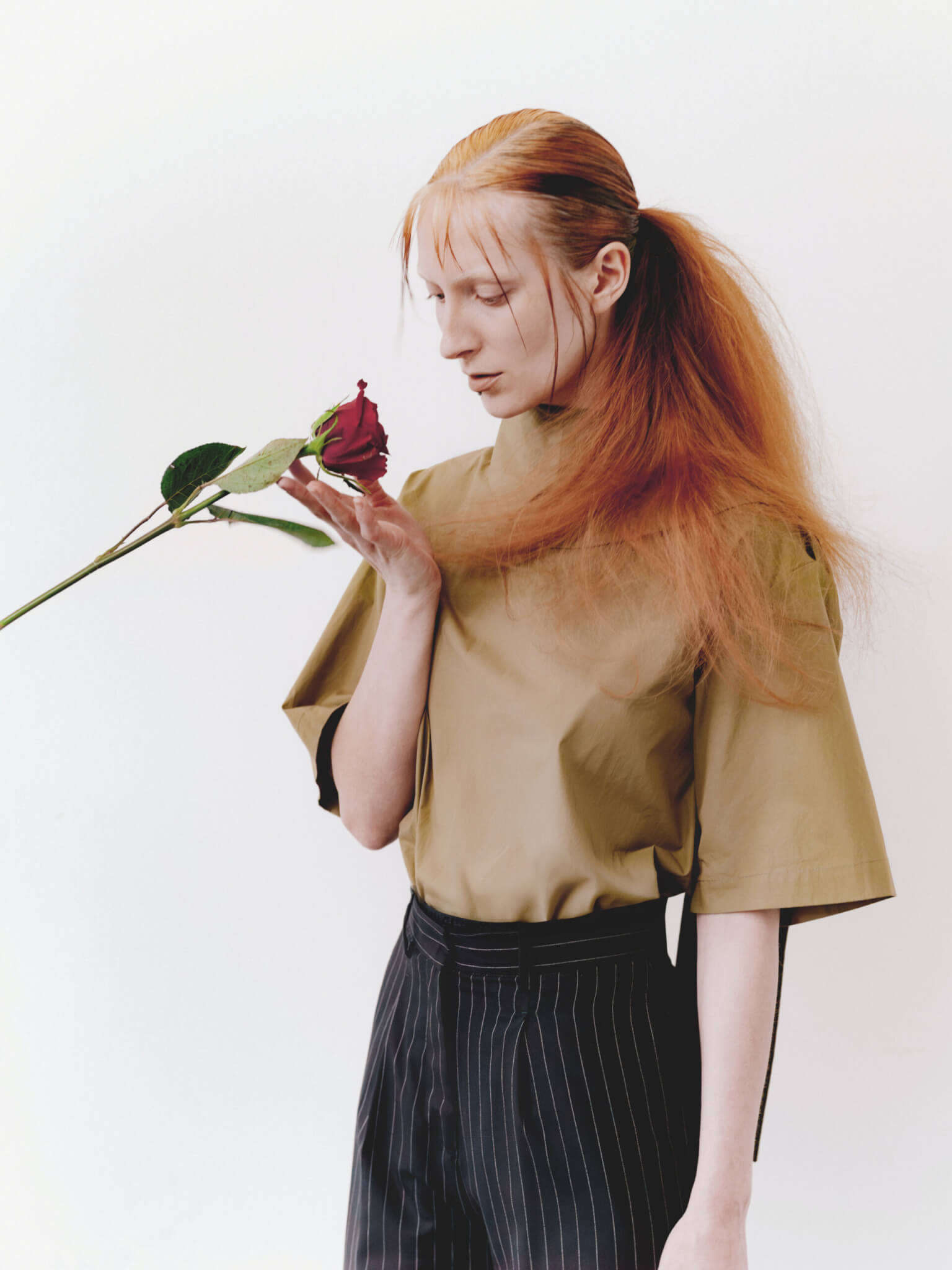
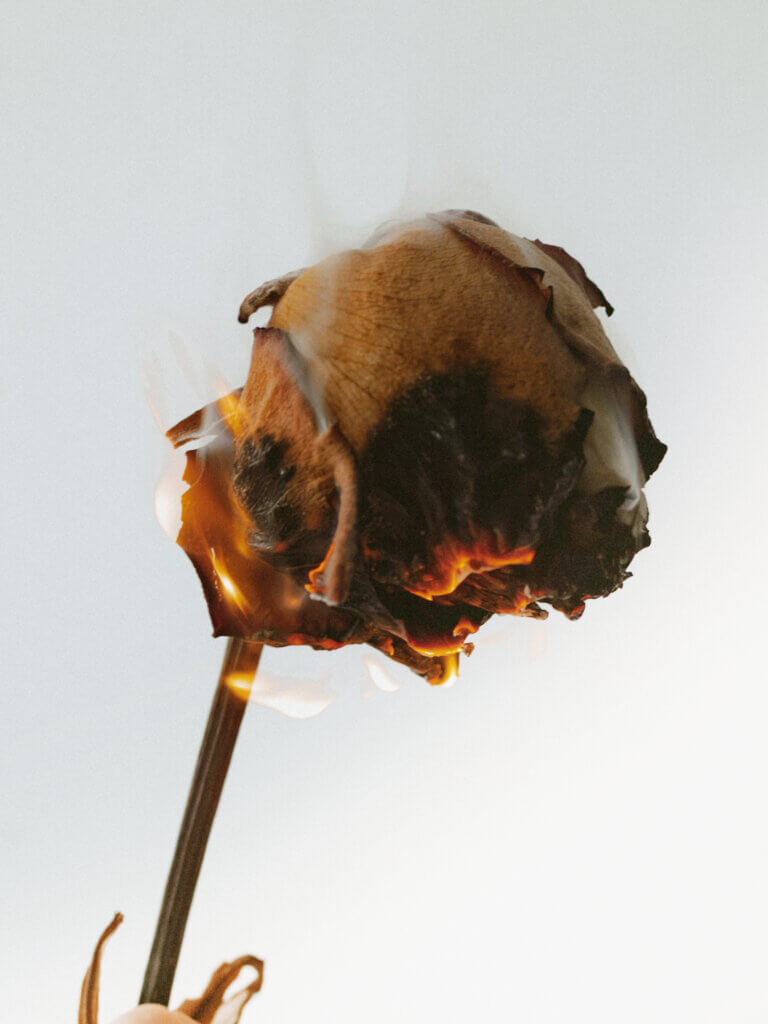
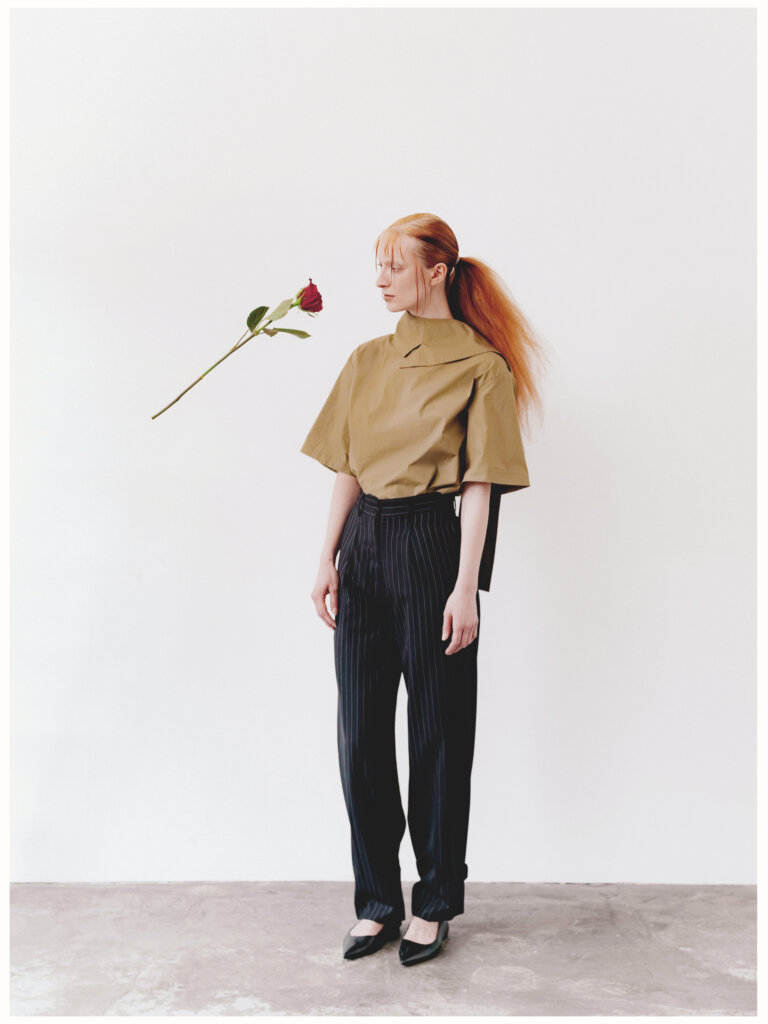
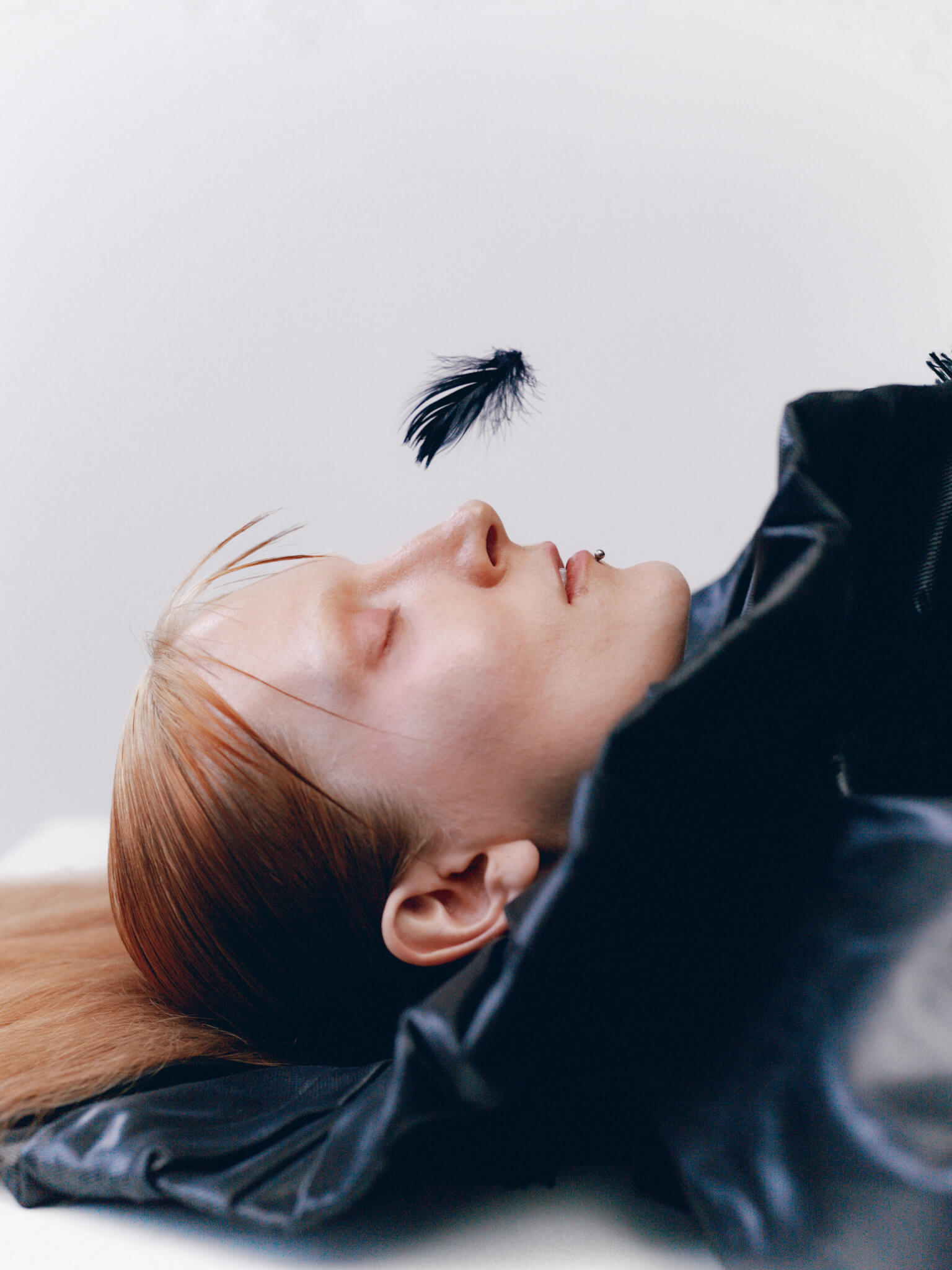
Top: Shirt & Trousers – Steven Passaro, Shoes – Aeyde, Bottom: Dress – Nicole Kiesel
What was the first visual idea or motif that came to mind with the theme RESET?
The model lying on the floor with a black feather resting on her nose was my starting point. I want the viewer to imagine the moments that led up to this surrealism. Atmosphere, light, scene, action, feeling, all these visual elements communicate different expressions and experiences of time.
What made you initially get into photography and continue shooting to this day?
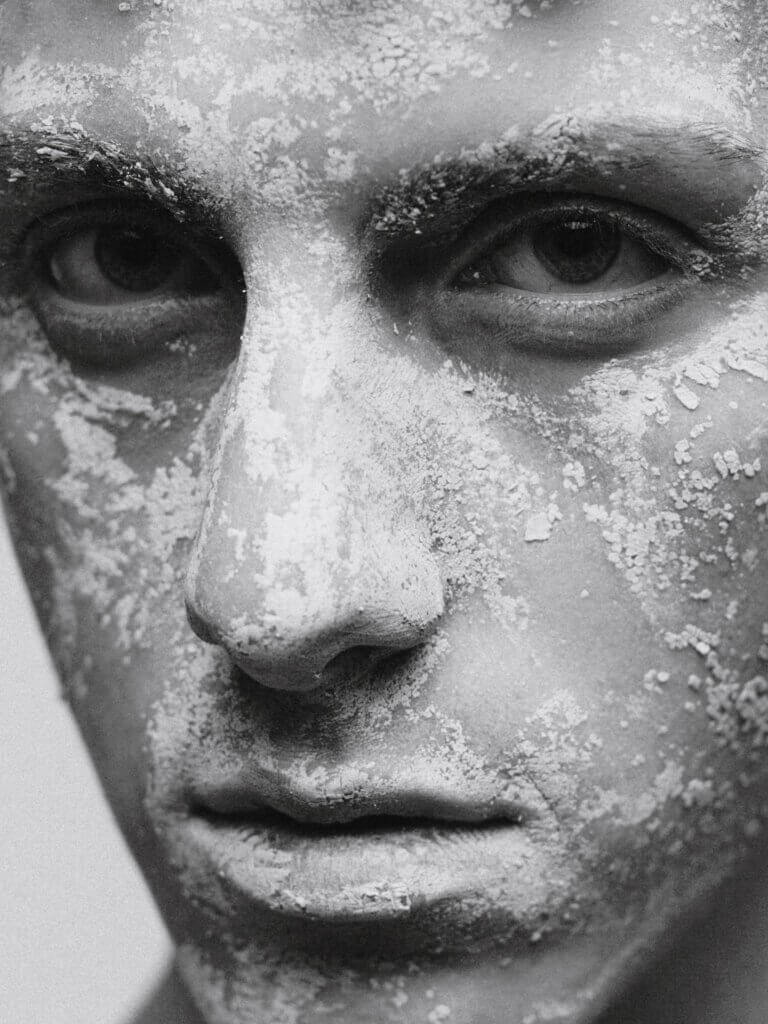
Shooting on film! I love not knowing exactly what the final image will look like. Even with a clear intention, there’s always an element of waiting, the unknown, anticipation, and ultimately a release of control that still excites and inspires me today. I feel the materiality of film even when I shoot digitally, mentally working every image before I click, producing 10 images instead of 100. It’s a materialist approach to images that remembers the roots of the camera roll. Portraiture and a face looking into the camera are something I always return to. Faces never stop fascinating me. Photography isn’t only a way of making images; it’s also a way of meeting people, listening to their stories, and finding beauty not only in how they look, but in who they are.
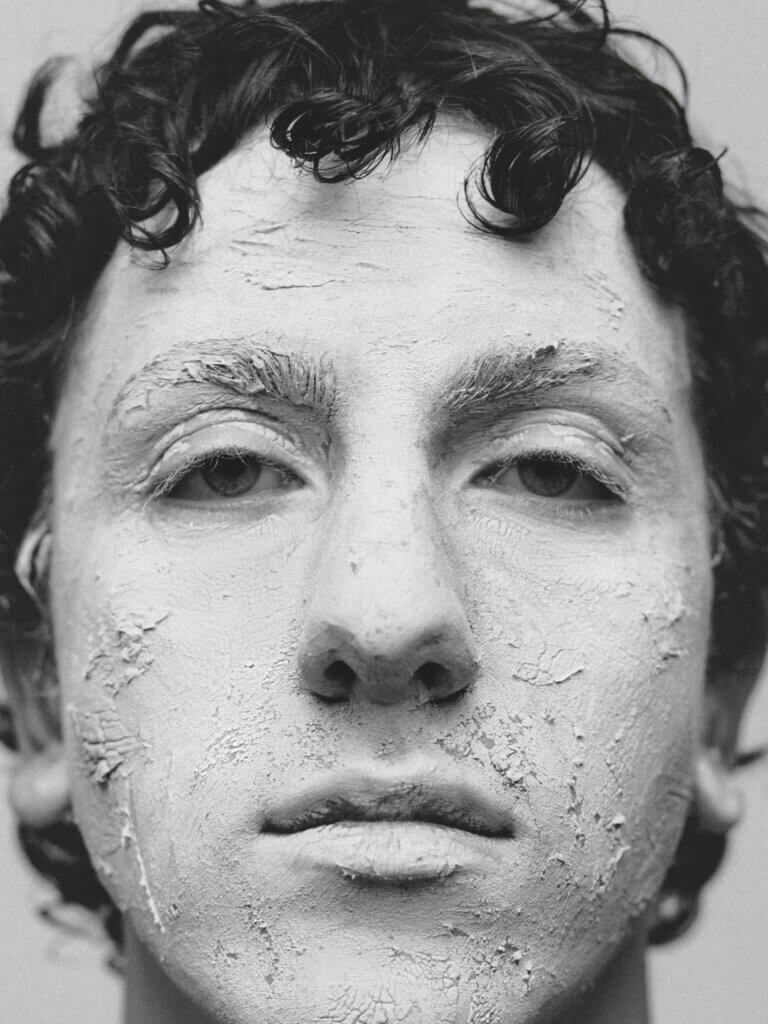
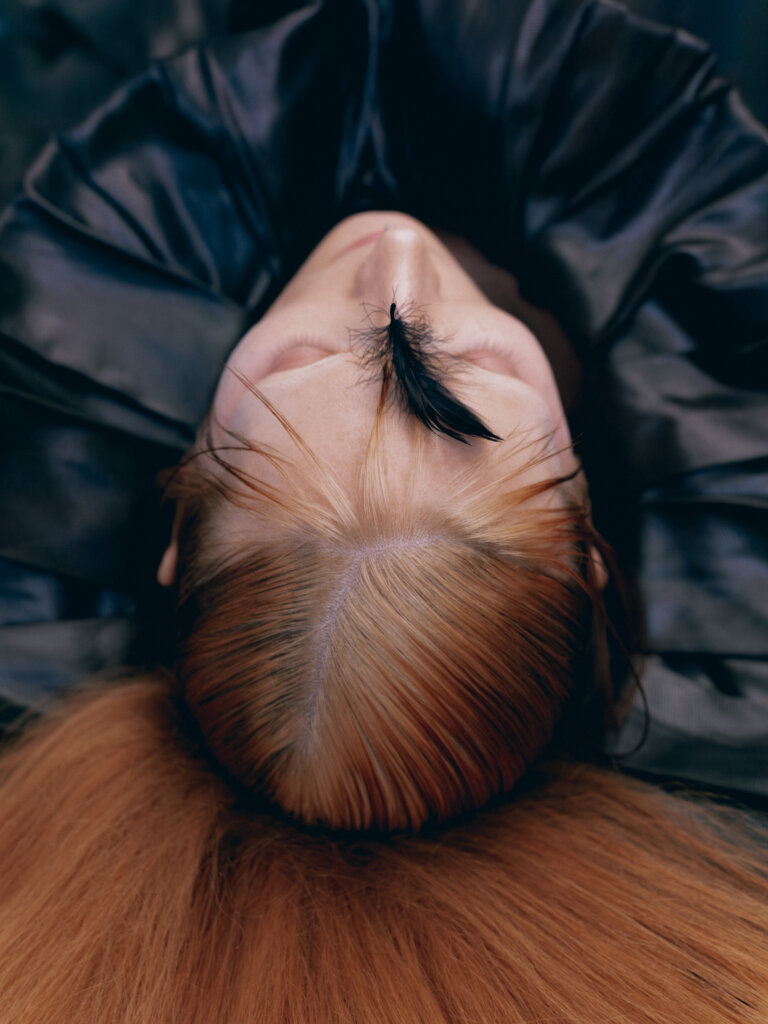
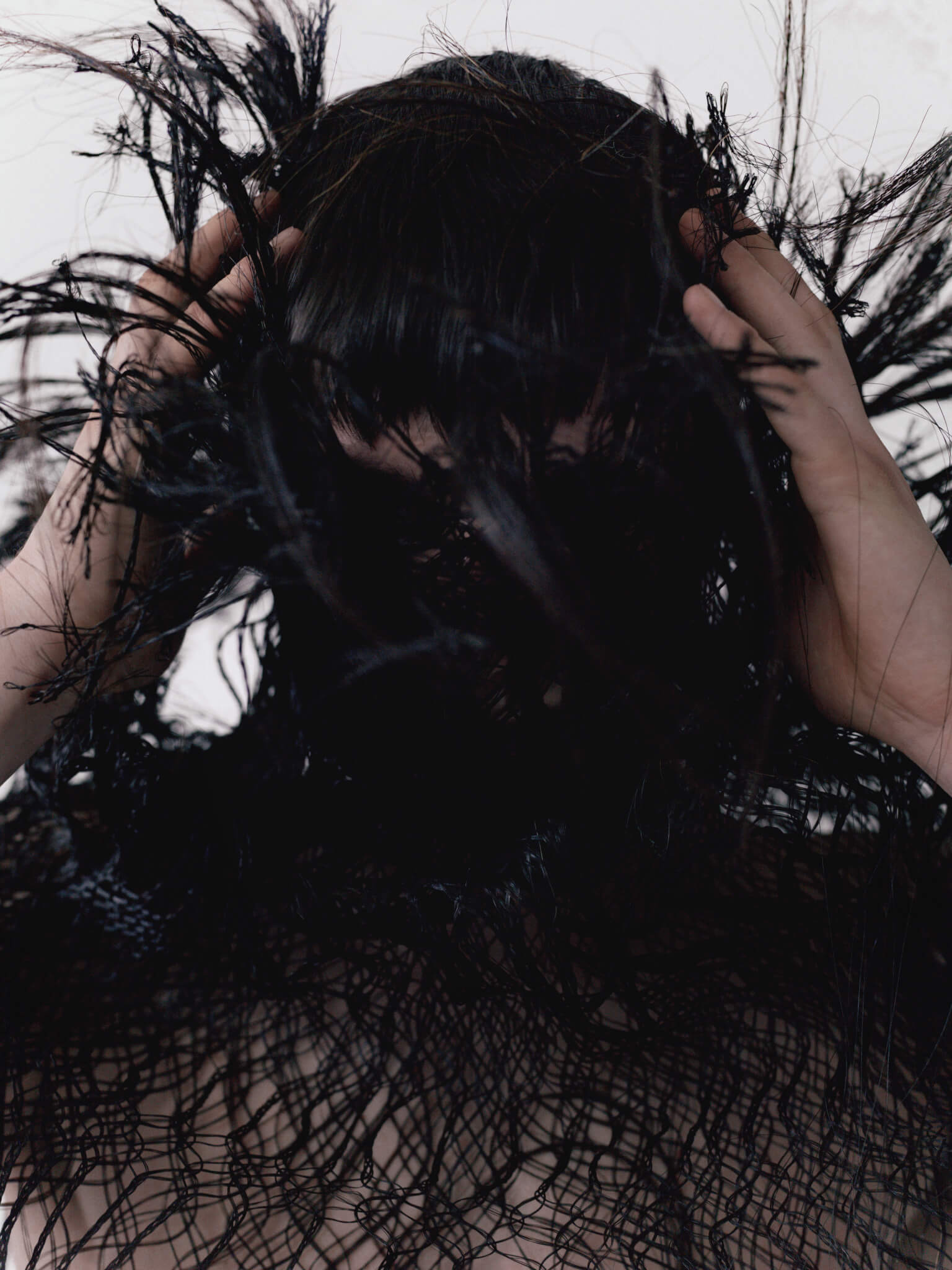
Top – Maksym Tymofeiev
Dress – Nicole Kiesel
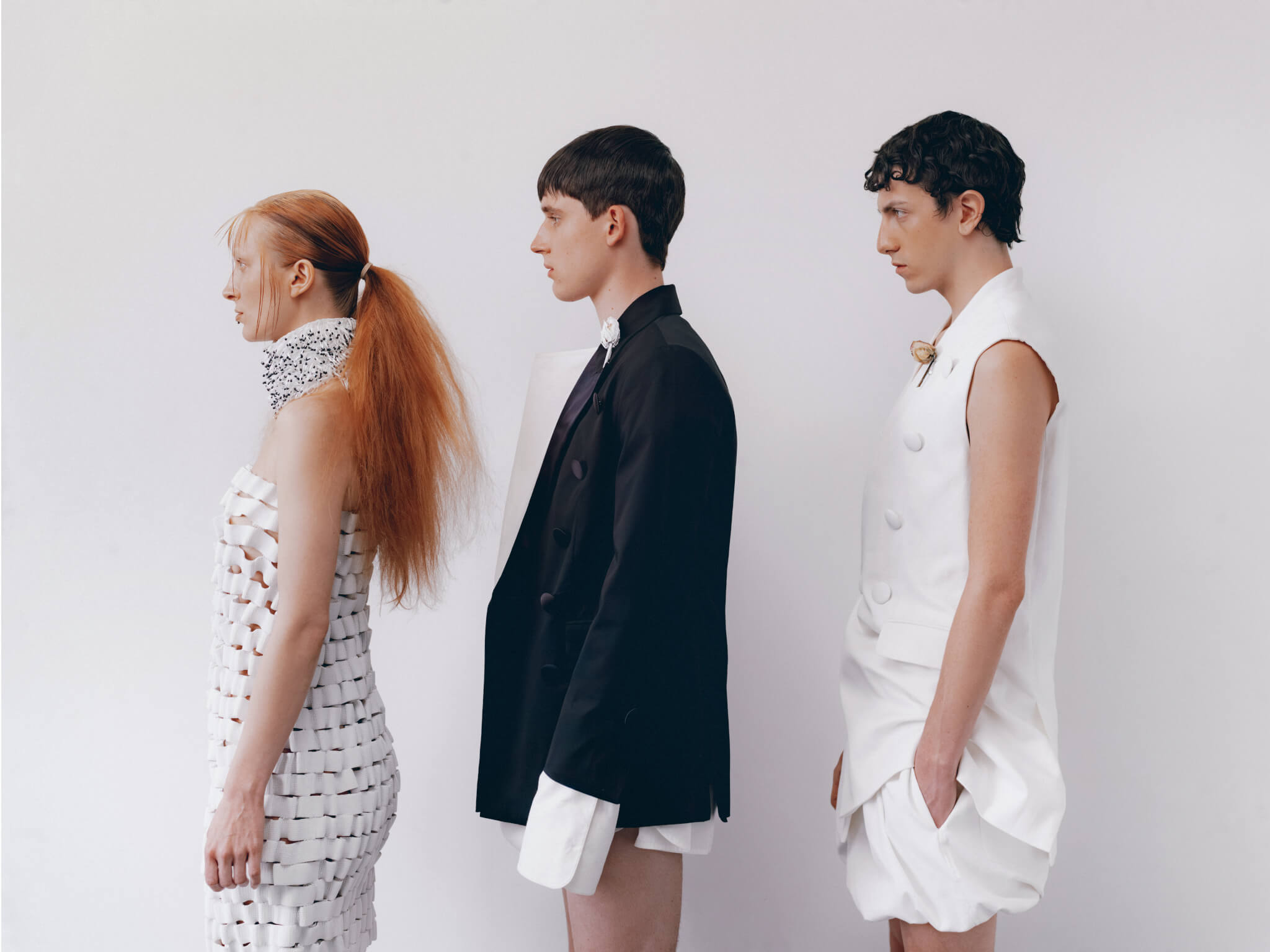
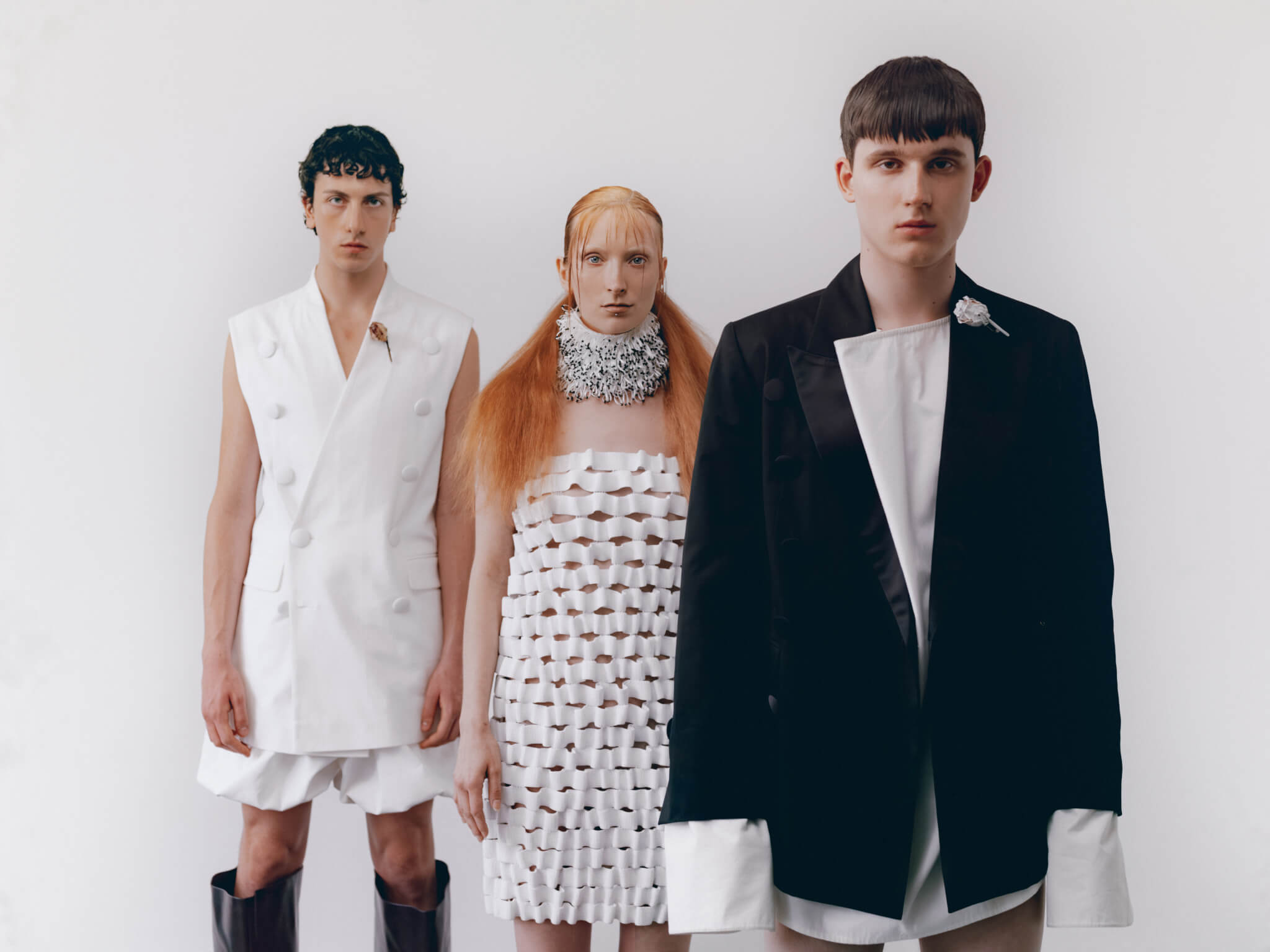
Left model: Vest, Shorts & Brooch – MARKE, Boots: Balenciaga
Middle model: Skirt worn as Dress – ALAINPAUL, Headpiece around Neck – Nicole Kiesel, Shoes – Aeyde
Right model: Blazer, Shirt & Brooch – MARKE, Boots – Volver
How has your relationship with photography changed since you first started shooting?
My relationship has evolved, but the core remains. I moved from shooting 35mm to working mostly with medium format, which changed the pace of my process and the way I approach each image. I’ve always been drawn to simplicity, to natural light, minimal setups, and photographs that don’t feel overproduced. No matter how my practice changes, I always come back to this way of seeing.
What’s one technical or creative approach you’ve recently reset in your own practice?
The biggest reset has been in my mindset. I’ve been trying to compare myself less to other photographers and focus instead on why I make images in the first place. It’s easy to get caught up in everything happening around you, but I think it’s important to stay connected to your own way of seeing and what feels meaningful to you. I’ve also started making hand prints in the darkroom. Taking my negatives through the entire process has made photography feel more concentrated and intentional, and has helped me reconnect with the techniques of photography, the physical process of developing an image through material and chemical processes, light and exposure times, seeing and feeling in the dark. There’s potential in all of that experimentation, and it keeps me connected to why I make photographs.
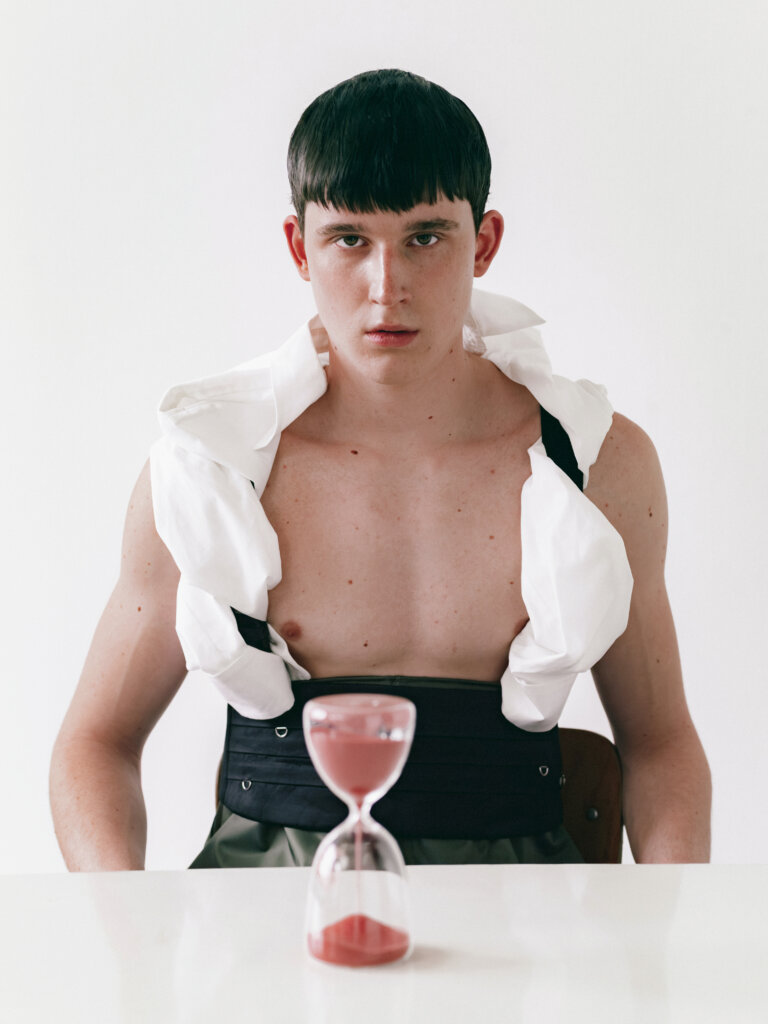
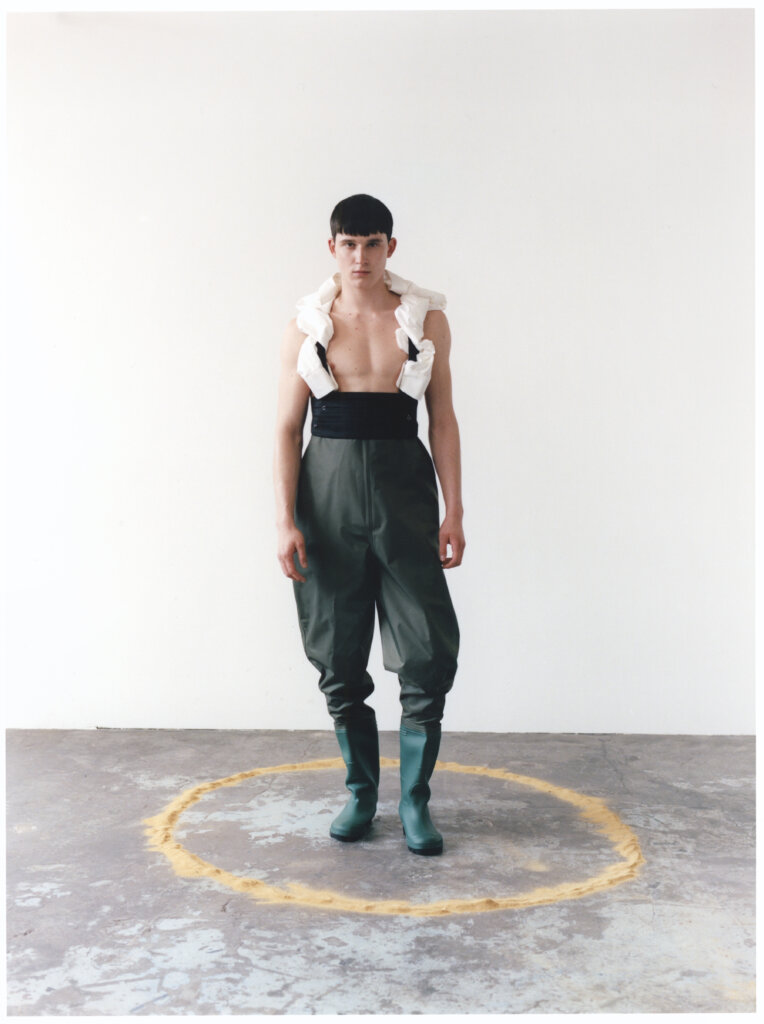
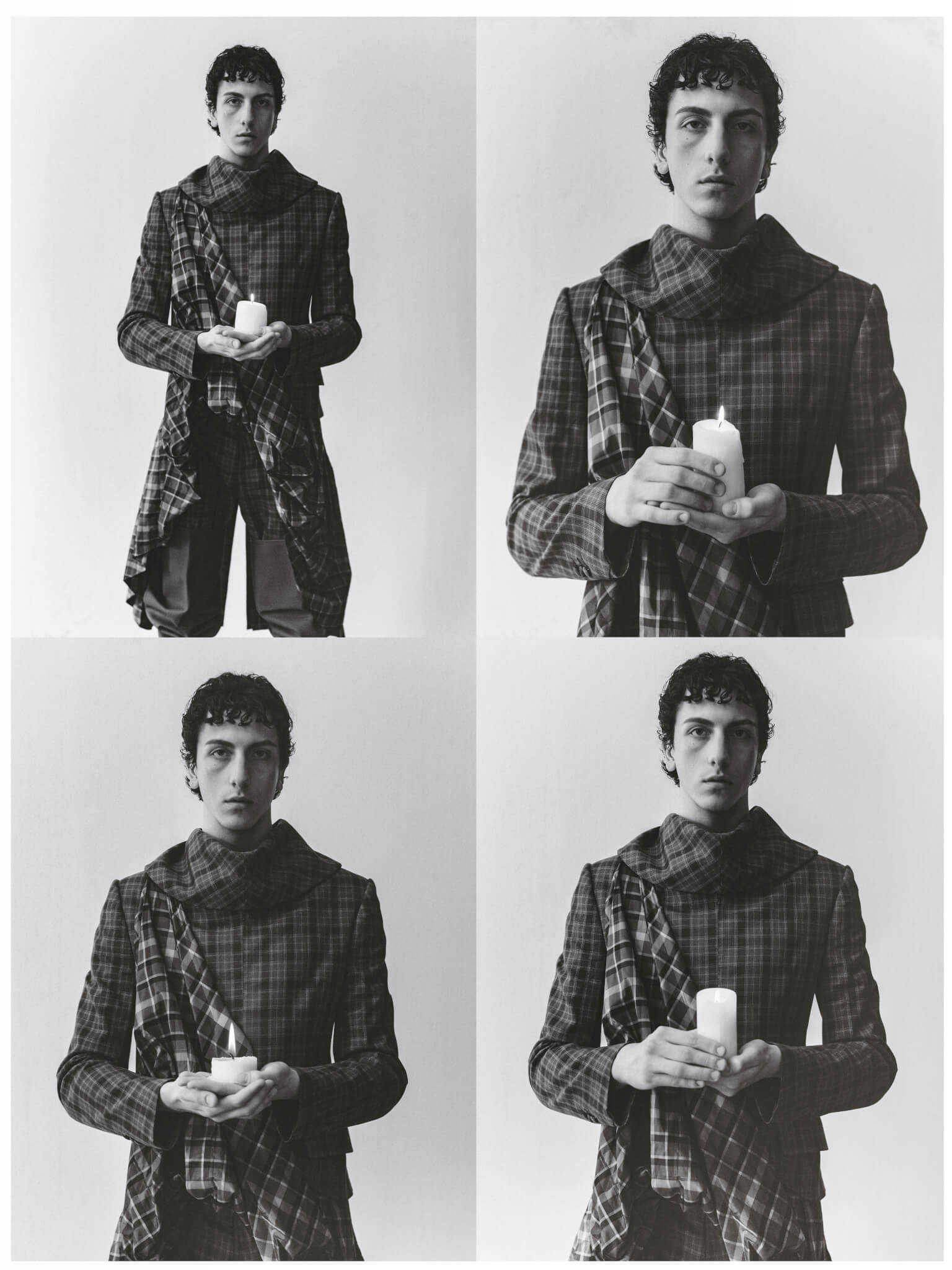
Bottom: Shirt & Shorts – Steven Passaro
Credits:
Photography and creative direction – Agustin Farias
Styling – Yannic Joel Hohaus
Fashion Assistants – Diana Lukashuk & Jean Victor Marchand
Casting – Lena and Konrad, Kazimir
Make up – Berenice Ammann
Hair – Noriko Takayama
Set design – Alin Bosnoyan
Production – Giuseppe Falcidia
Light assistant – Jacopo Paglione
Video Camera – Maria Barton
Special thanks to studio @peachfuzz.berlin