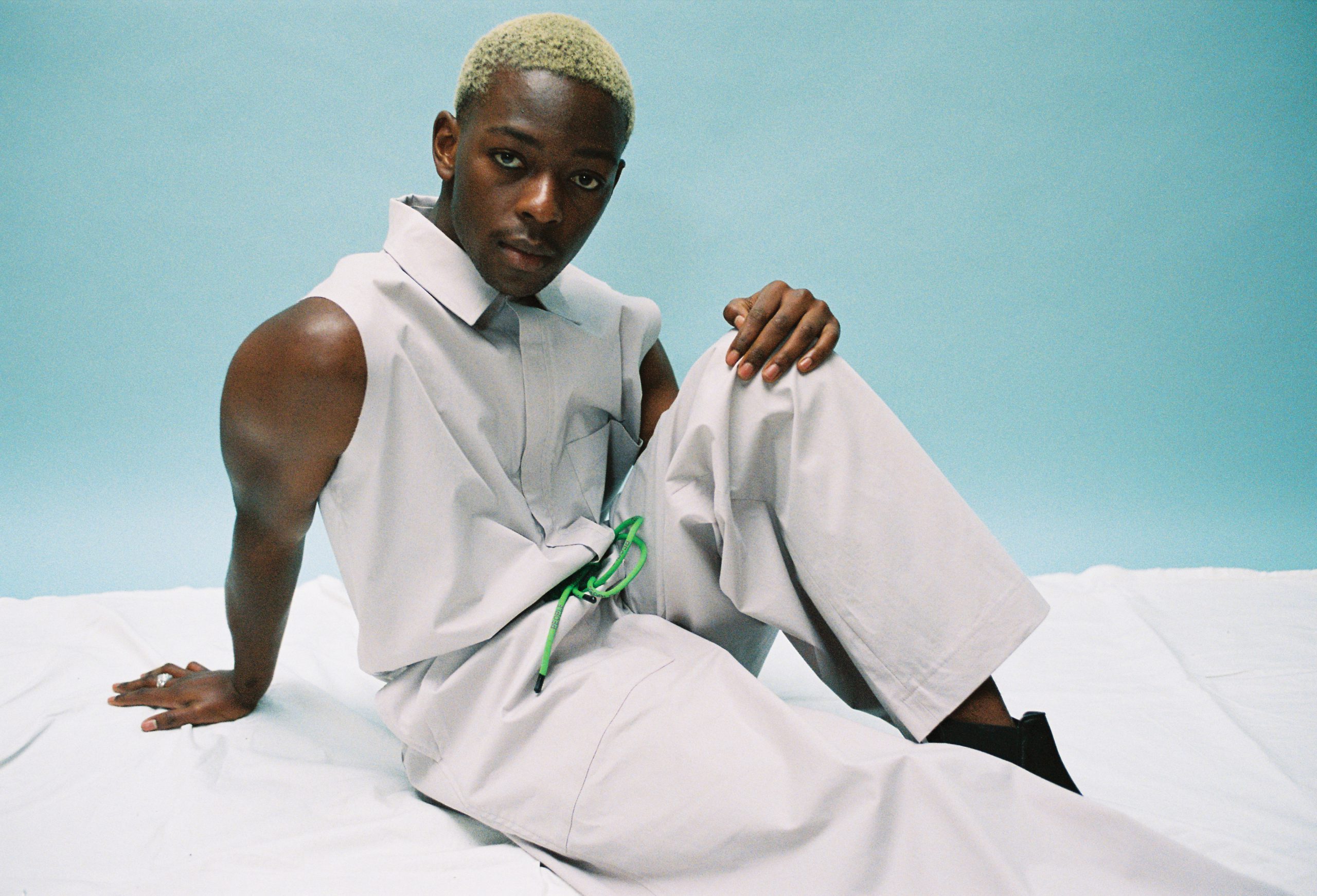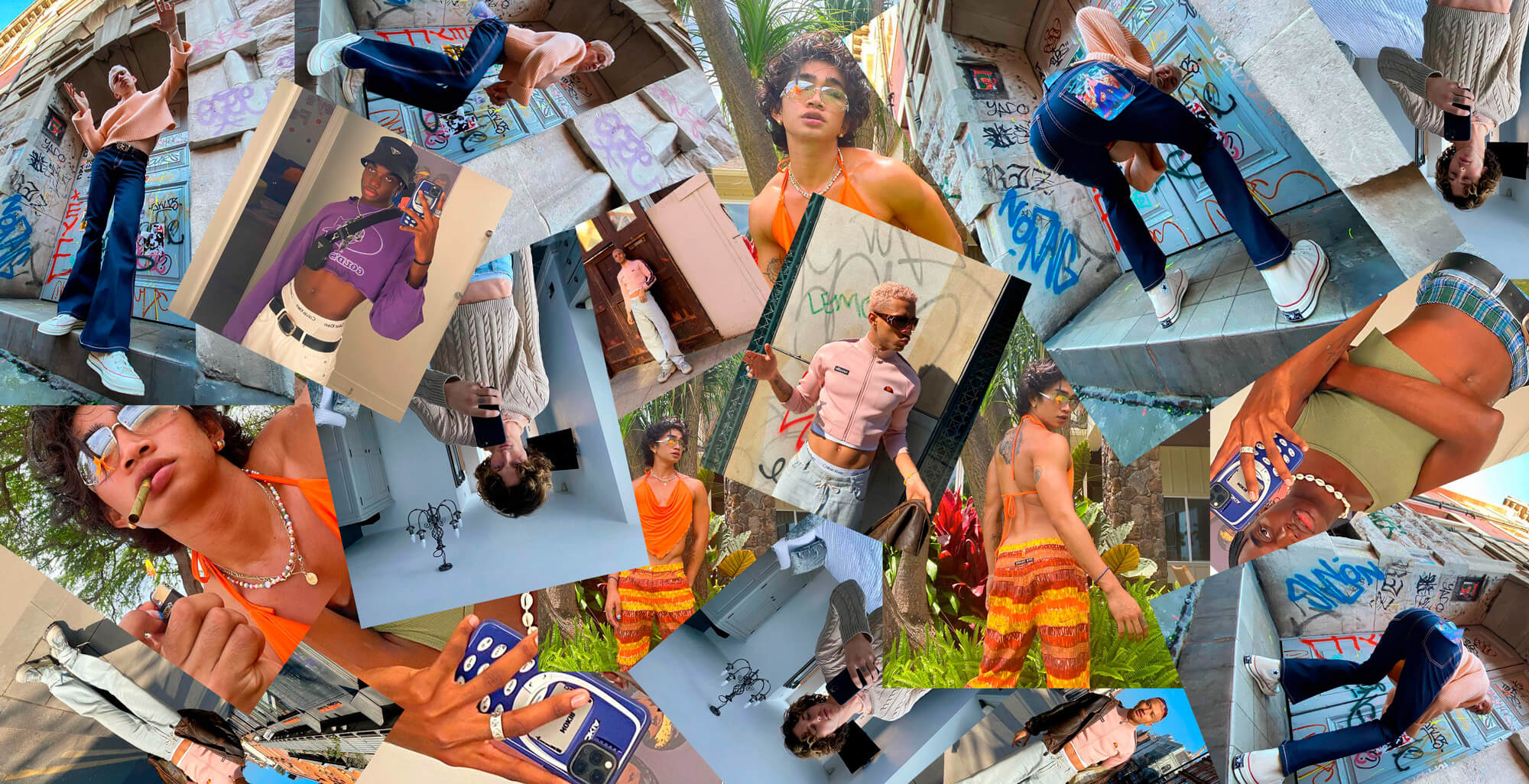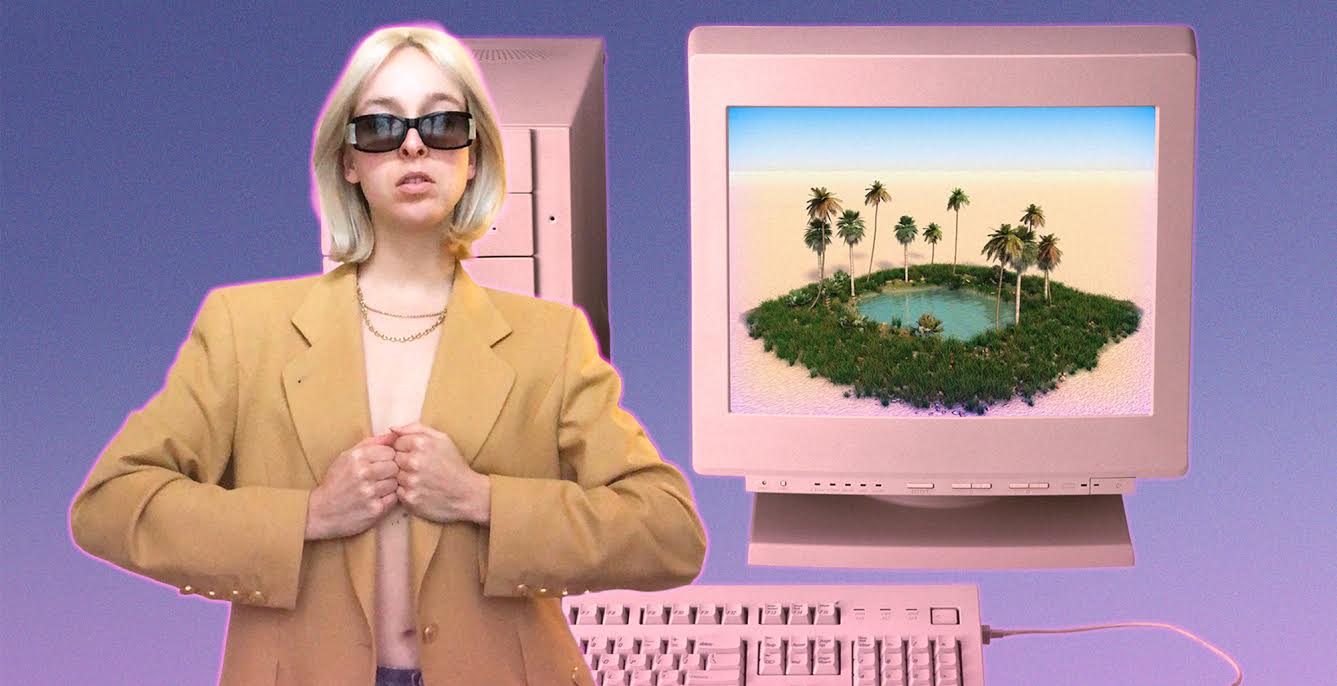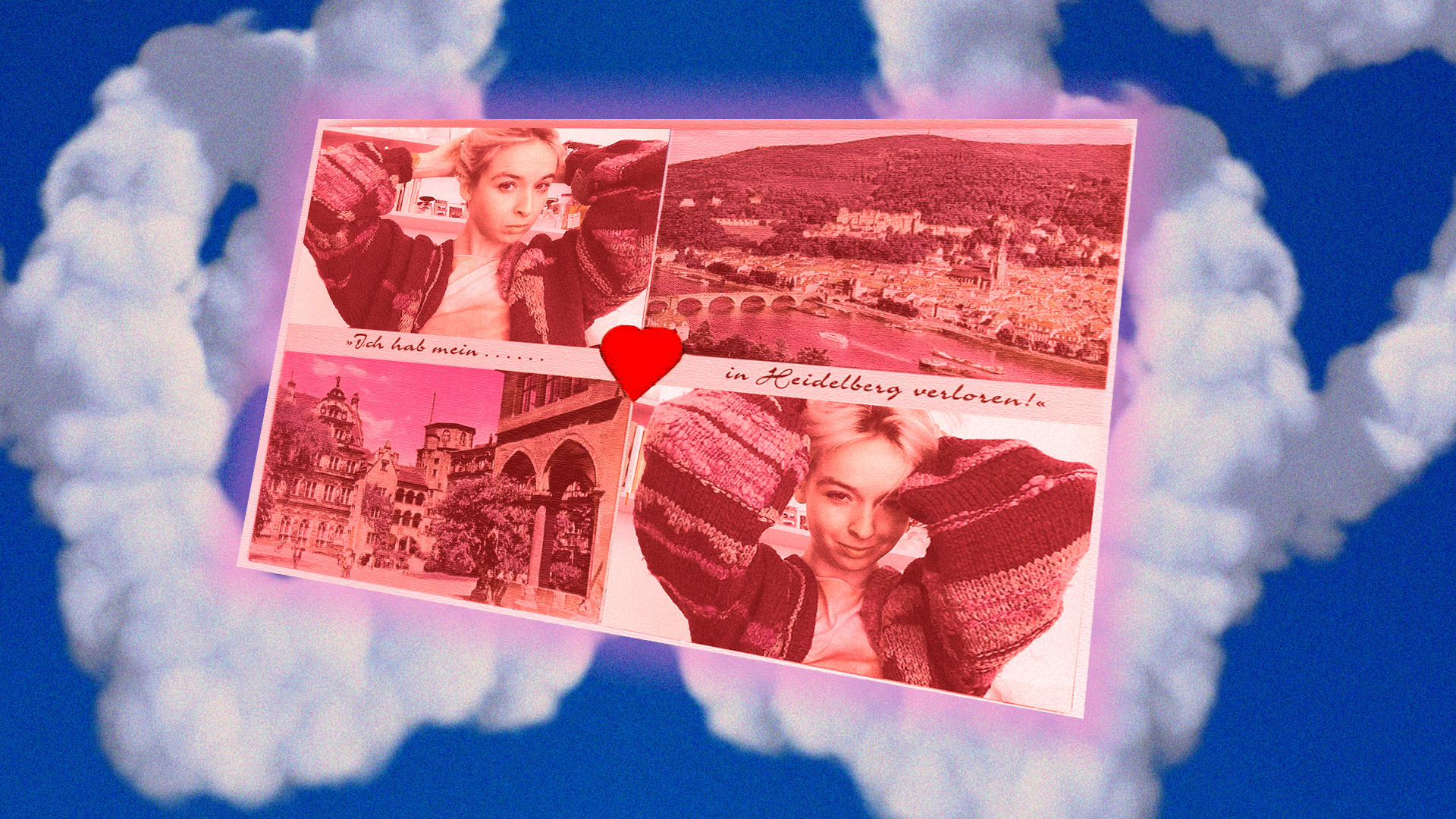






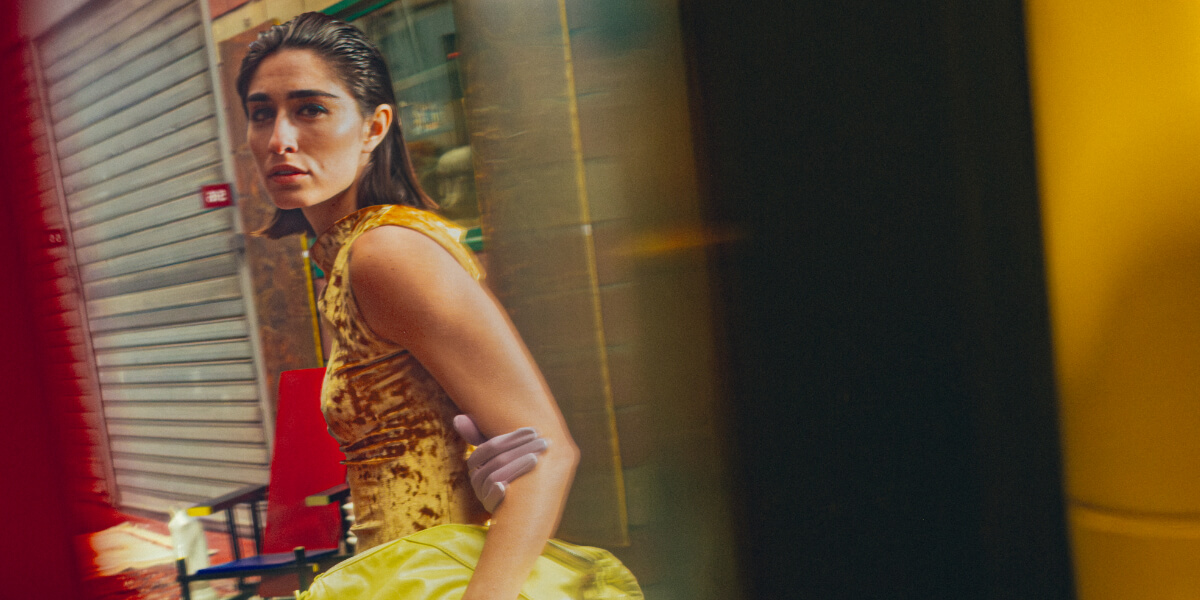
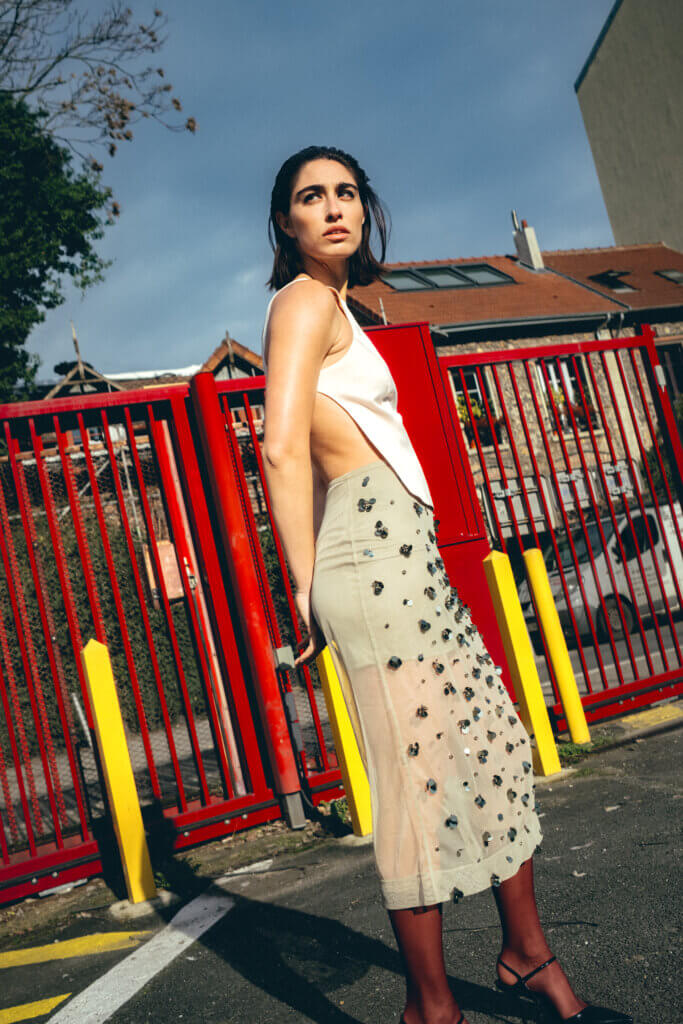
In a world oversaturated with endless content, it becomes difficult to take a step back and perceive something in a new light. A New Way of Seeing takes composition, context, and perspective to explore what it means to reframe. Meshing spontaneity with texture, this series takes everyday spaces and transforms them into layered visual narratives in which the subject and their environment are shaped by color, texture, and reflections.
We spoke with photographer Charles Hemon about his inspirations and process for the series. With a perspective built in the serene scenes of Normandy and refined by the bustling streets of Paris, Hemon uses vibrant colors and captivating angles to redefine the essence of the frame.
Your passion for photography began with your grandfather’s old Olympus camera, gifted to you by your grandmother. How did that early connection to photography shape your work today?
I had always enjoyed taking pictures as a child, and later at school, too. I have always loved images, but I wouldn’t say I was already passionate about photography when I was younger. My real passion started at university, when my grandmother gave me my grandfather’s old Olympus OM40. I remember taking it with me on holiday in the south of France. After that first roll of black-and-white film, I knew photography was going to have an important place in my life. I started experimenting with color photography after that, especially with Kodak Ektar 100.
It was 2017, and film was still much cheaper than it is today. I think this early experience still influences my approach to color and the way I edit my photographs today. I wouldn’t exactly say that I try to imitate film colors, but they remain a strong source of inspiration.I took a break from photography during Covid, and afterwards I bought a Fujifilm X100V. It became a very interesting bridge between film and digital, especially thanks to the Fujifilm film simulations. I could shoot as much as I wanted, while keeping something close to the feeling I had with film. It really freed me, helped me gain confidence, and allowed me to explore what I wanted to do and say through photography more deeply. It was probably one of the best decisions I made. I honestly don’t know if I’d be a photographer today without that camera.
You have mentioned your focus on capturing the atmosphere and essence of the places you photograph. How has this changed from your time in Normandy compared to where you are based now, in Paris?
Since my relationship with photography really began later in my life during university, I did not photograph Normandy much when I was younger. Today, my connection to the region is more about returning to it with the eye I developed through street photography. Over the past few years, I have been working on a long-term documentary project about agriculture in Normandy, following different organic farmers and producers.
The challenge has been to adapt my street photography approach to a slower documentary rhythm. In the street, I am used to reacting quickly to movement, light, gestures, and unexpected situations. With this project, I have to stay longer, spend more time with people, and allow the images to appear more slowly. But I still try to keep the same instinct: paying attention to gestures, small details, textures, light, and the way people inhabit a place. So it’s less about comparing Normandy and Paris, and more about bringing a perspective that I developed elsewhere back to a place that feels very familiar to me.
How would you describe the atmosphere and essence of this project?
I would describe the atmosphere of this project as playful, instinctive, and very spontaneous. It came from the mix between the clothes, the objects, the streets, the textures, and the people we met along the way. We weren’t trying to build a perfect scene, but rather to let things happen and use the energy of a place. The team also played a big part in that. There was a great synergy between the model, the makeup artist, the stylist, the lighting assistant, and me. Everyone brought something to the shoot, and I think that collective energy really shaped the final images.
How does your identity and personal experience influence the way you observe and photograph people and places?
I think most of what I photograph is connected to who I am, not necessarily in a very intellectual way, but more instinctively. My images often come from my obsessions, my memories, my taste, and the way I naturally look at people and places. I have always been fascinated by people. I like the idea that you can feel something about someone without speaking to them. Of course, you never really know a person just by looking at them, but photography allows you to imagine, to project, and to create a connection through distance.
What does reframing mean to you? How did it shape the concept behind the shoot?
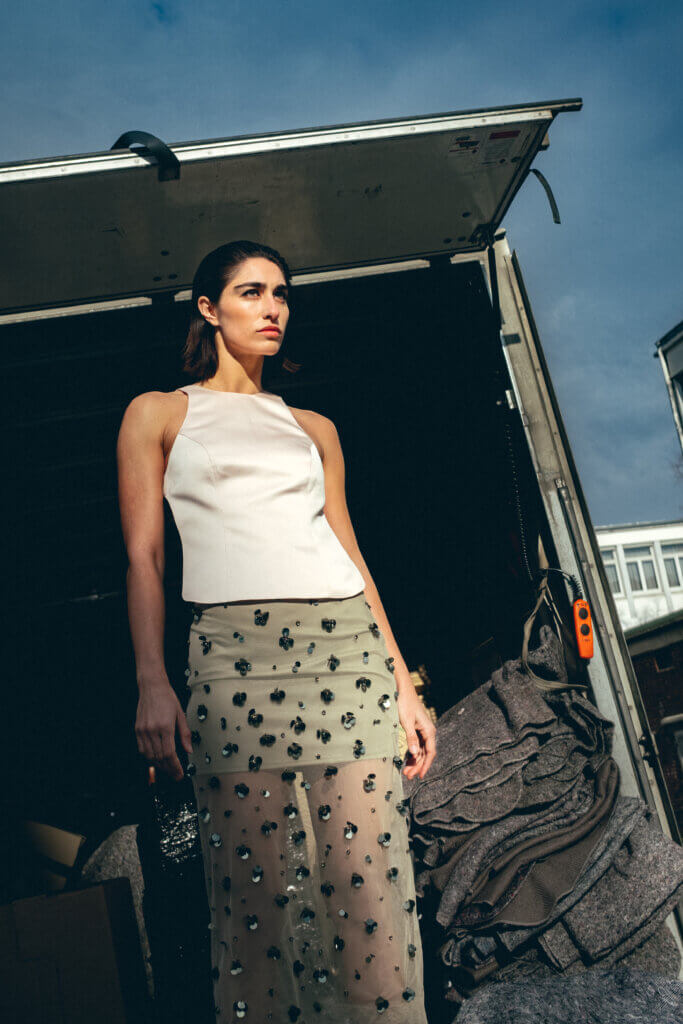
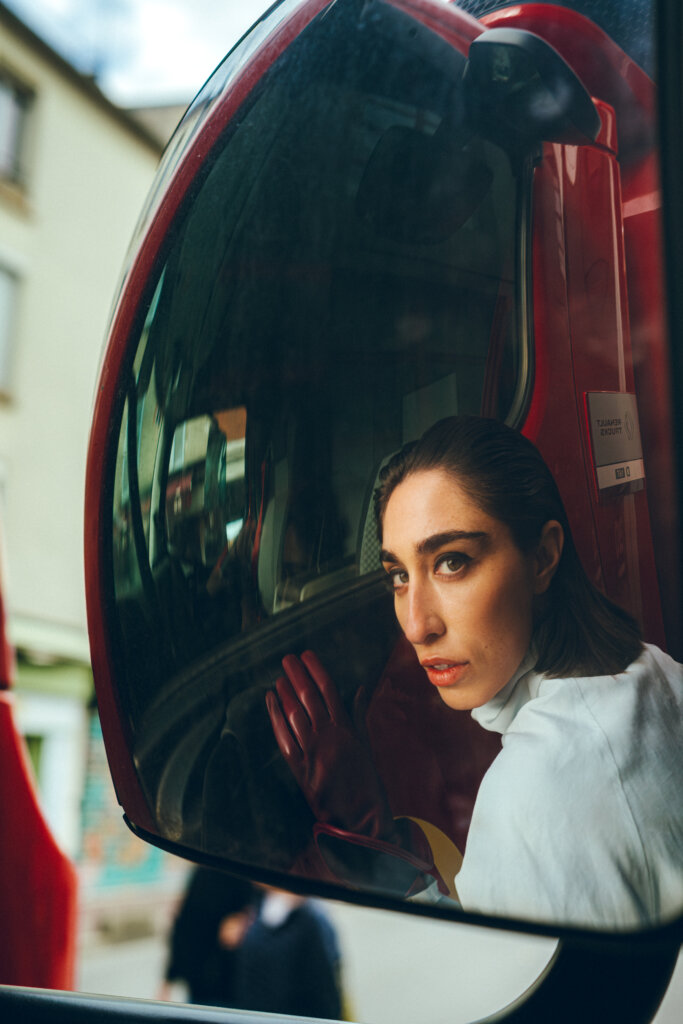
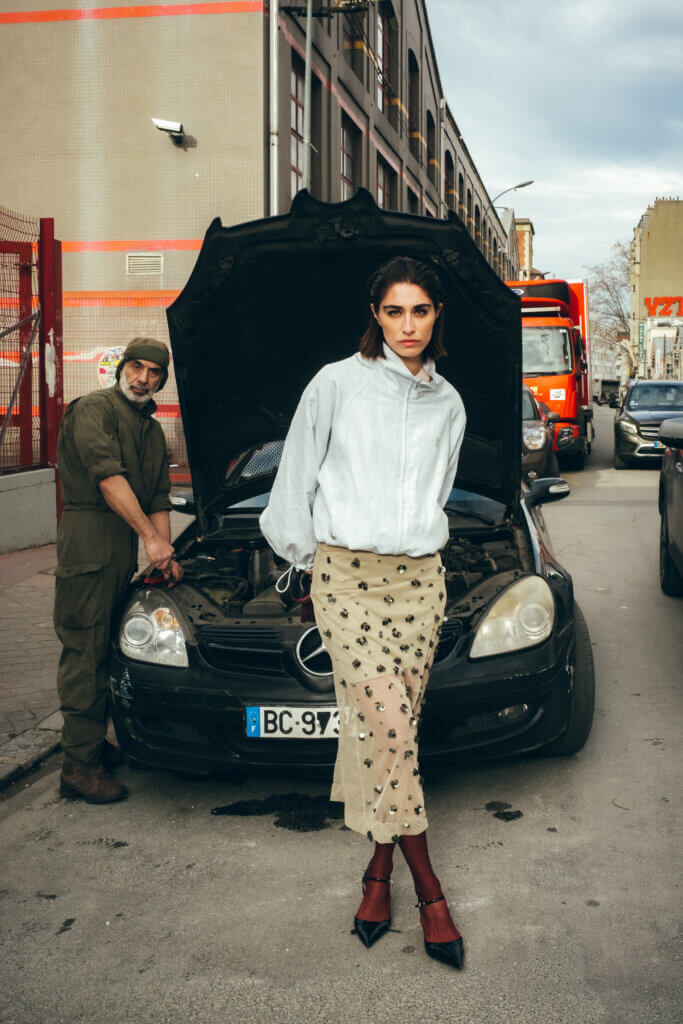
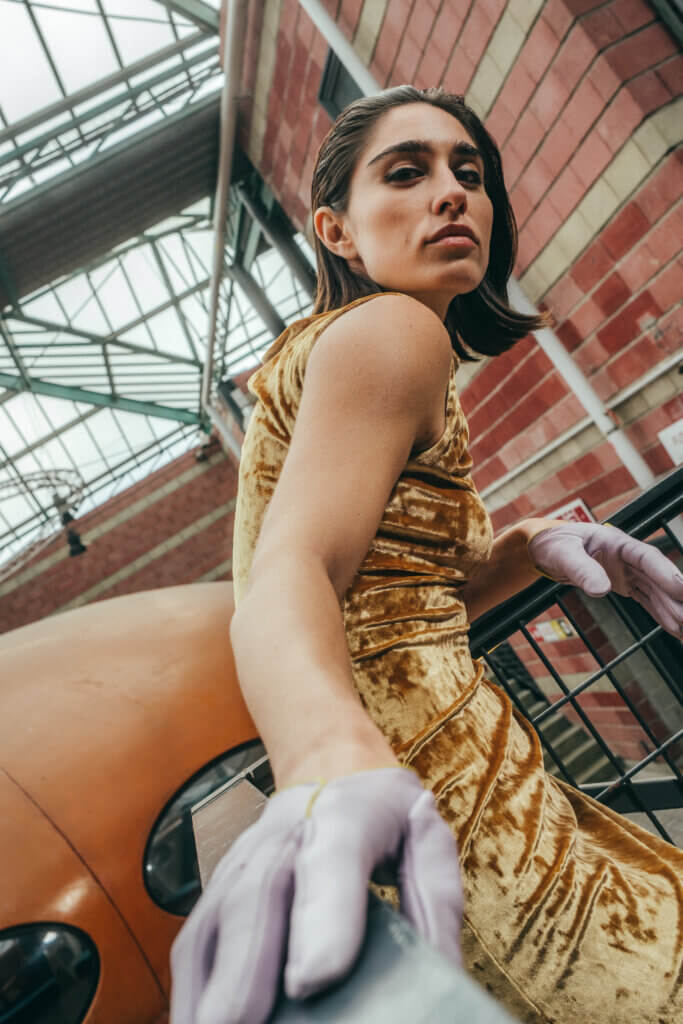
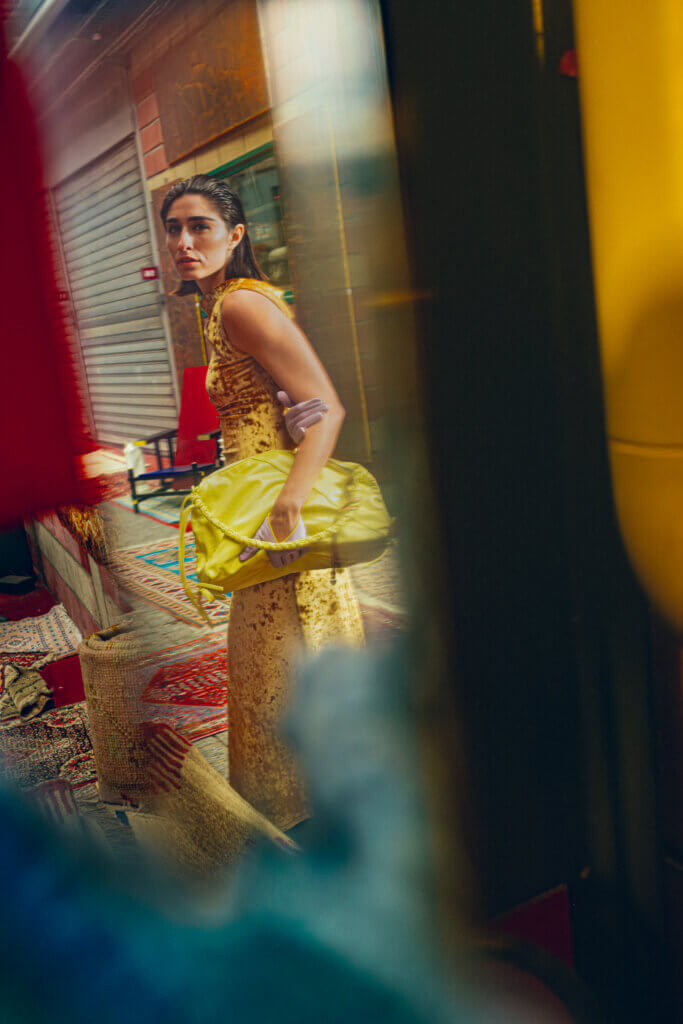
For me, reframing is about changing the way we look at something by changing where we place it. It is not only about composition, but about how a subject exists within a specific context. For this shoot, I wanted to use the location as a way to constantly shift the perception of the model and the styling. The open car hood, the carpets, the objects, the street, and the reflections all became different frames inside the image. What interested me was the idea that the same person and the same clothes could take on a different energy depending on where they were placed. The context changes the reading of the image. That is what reframing meant to me here.
Your photography is bold with colors. How do you use color in your work?
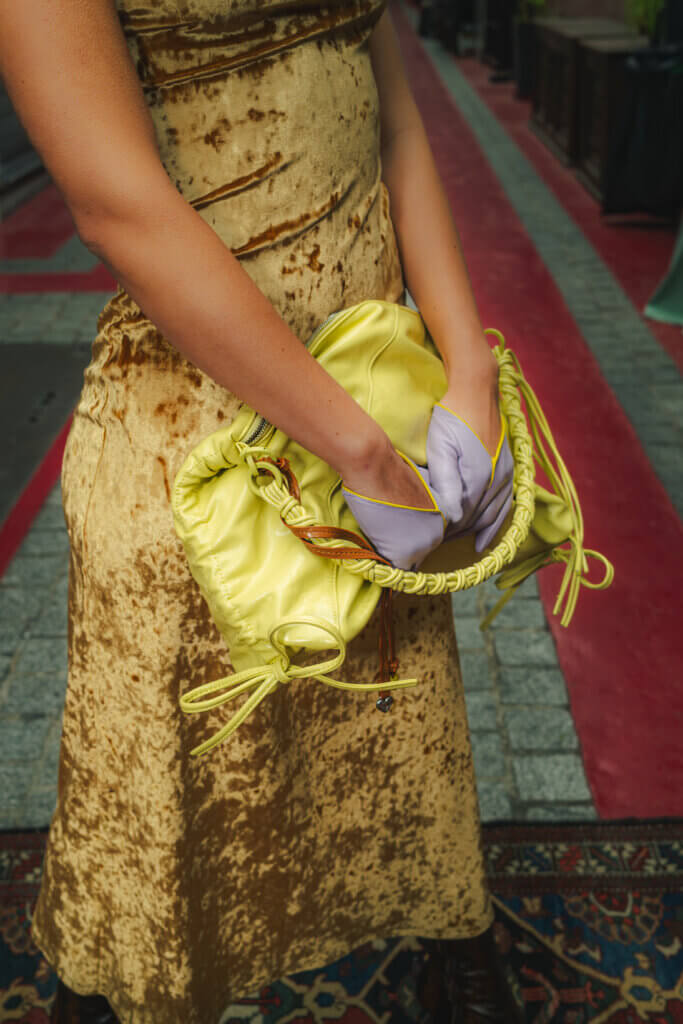
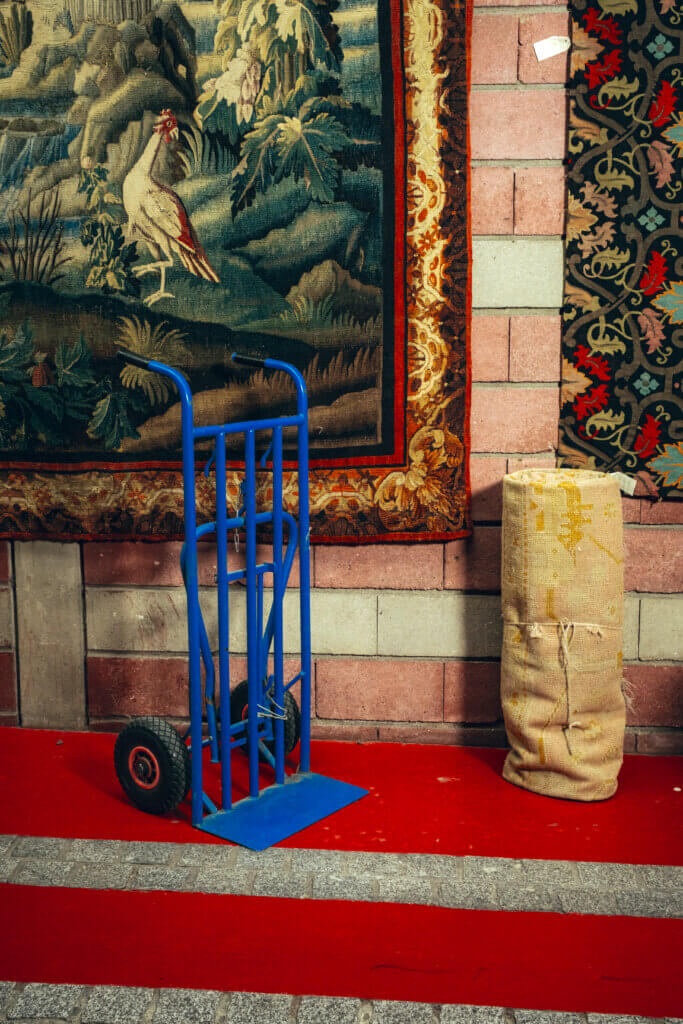
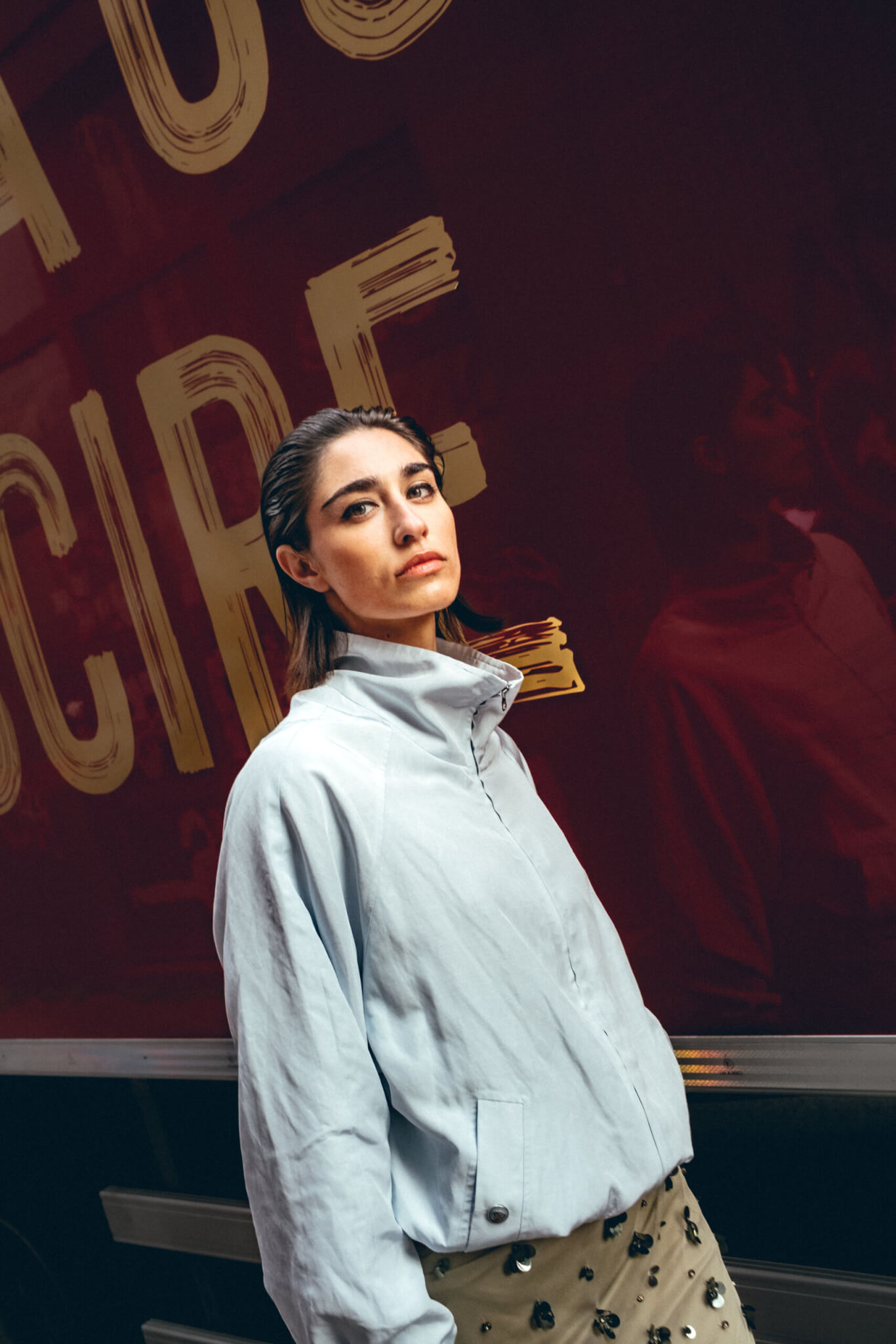
I have always loved vibrant colors. I think they make an image more direct and more accessible, even for people who are not especially interested in photography. A strong colour immediately catches the eye. In my work, I often use color as a way to simplify the image and guide the viewer’s attention. Since I mostly shoot outside, I can’t control everything, so I try to find strong color relationships within the environment. It can be a red carpet, a blue object, a yellow bag, a dark car, or a small detail that suddenly connects with the styling. For this shoot, colour helped create links between the clothes and the location. Sometimes it created contrast, sometimes it created echoes between the model and their surroundings. I like when colour gives structure to an image without making it feel too controlled.
How and why did you decide on the locations for this shoot?
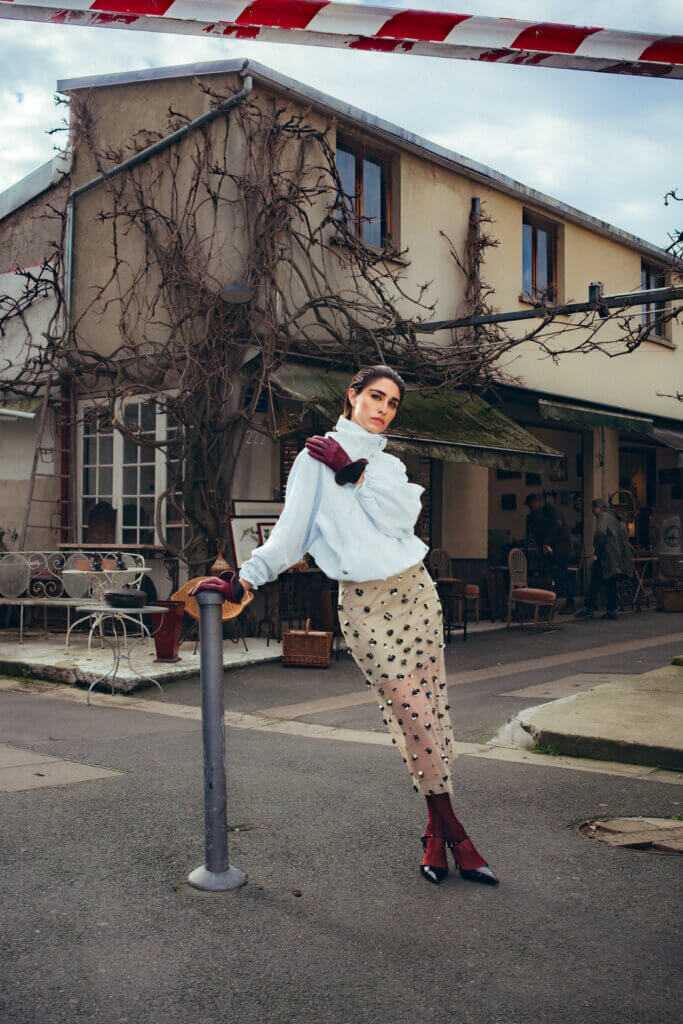
I am a very spontaneous person. I like being disturbed or distracted by my environment, as I do in street photography. That is why Les Puces de Saint-Ouen felt like the perfect place for this shoot. Things happen there all the time. There are objects, people, signs, colours, and unexpected details. I also know this area very well because my studio is located near Les Puces, so it felt natural to shoot there.
It also made sense with the theme. The area is full of curious objects and visual layers, so there were many opportunities to reframe the subject through different settings.
How did your choice of framing shape the subject and their environment in these images?
The framing was very important because we wanted to highlight the clothes chosen by the stylist while still keeping a strong sense of place. I tried to frame the model in a way that made the environment part of the image, not just a background. Les Puces have a very specific vintage atmosphere, with objects, textures, reflections, and unexpected details everywhere. I wanted the viewer to feel that. So, the framing became a way to balance the styling and the location. The clothes had to remain central, but the surroundings also had to bring something to the mood of the shoot.
Credits:
Photography – Charles Hemon
Stylist – Mathilde Sizun
Model – Julia Aznar
MUA & Hair – Fatma Bendris
Light – Léo Lapouge