






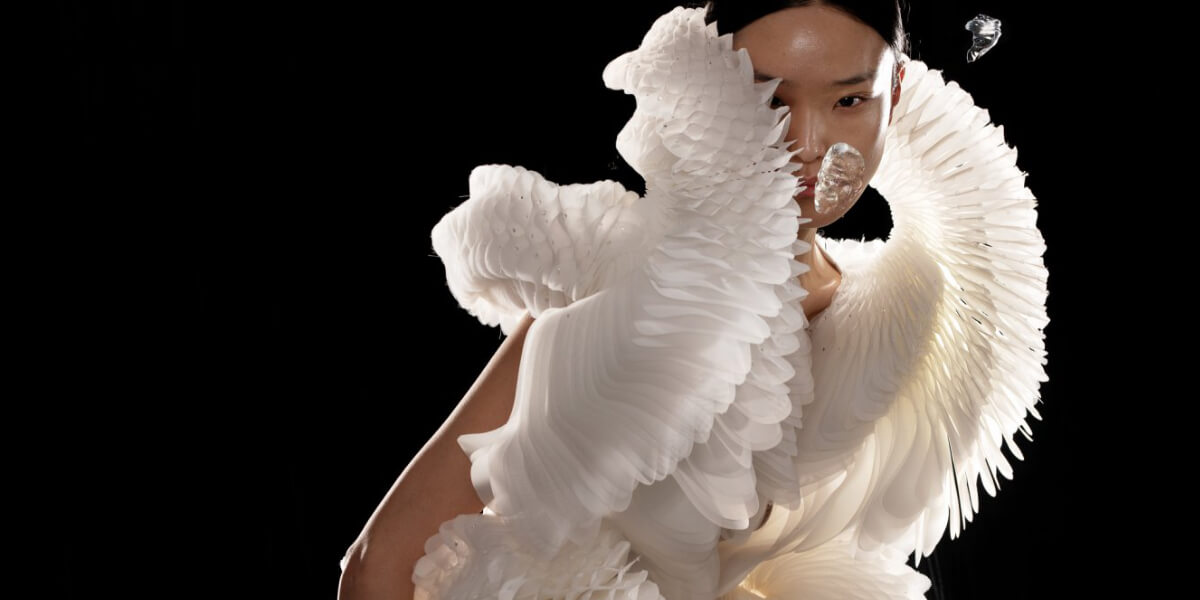
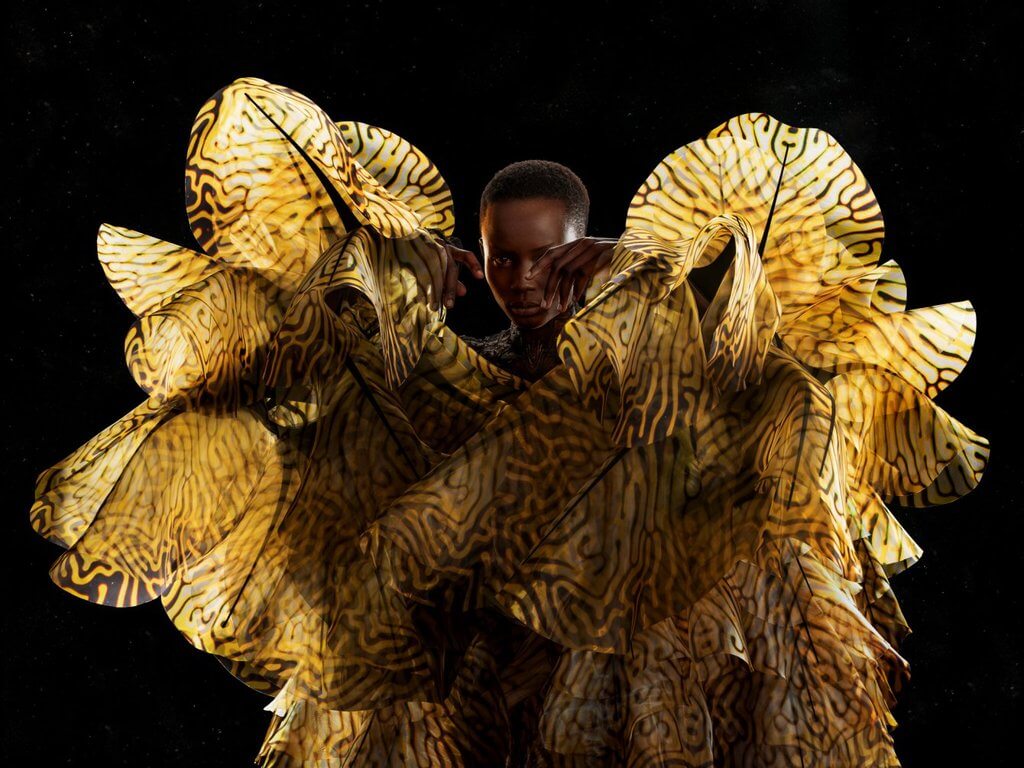
Header image: Iris van Herpen, Sensory Seas, Spring/Summer 2020. Photography by David Uzochukwu.
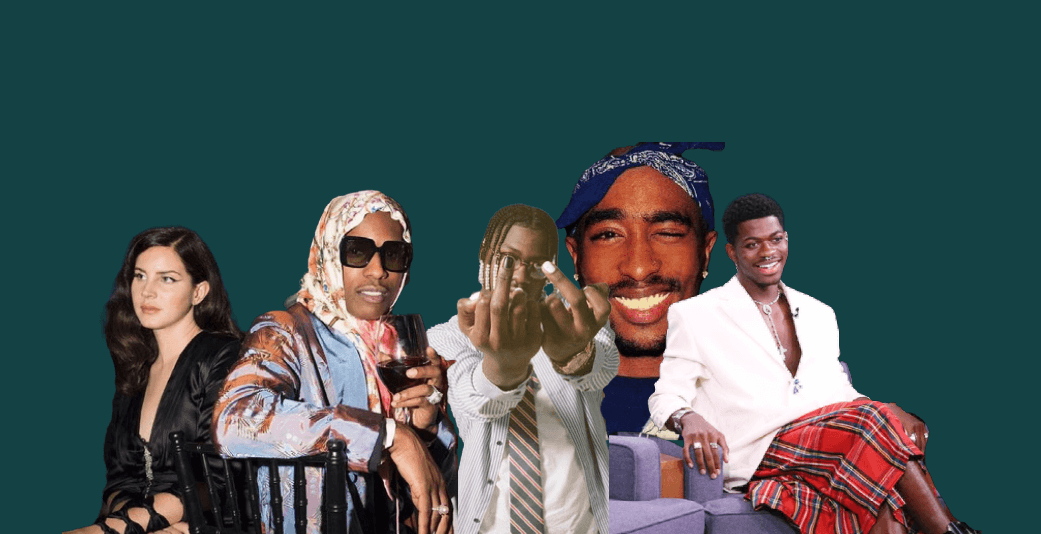
You need inspiration for a new outfit, and the first thing you do is open Pinterest. You scroll endlessly, pinning a couple of photos, hoping the algorithm will eventually lead you to something that feels more like you. You try to find the perfect outfit someone else has already worn, incorporate it into your style, and call it yours.
We have become accustomed to relying on other people’s personal style, often forgetting that fashion doesn’t have to be limited.
Brianna Hollingsworth uses runway pieces to create dishes. She translates the colors, fabrics, and shapes from different brands onto carefully curated plates, merging fashion and food, two things that seem to exist in separate worlds. Her videos translate not only the details but also a mood that accompanies both the runway pieces and the dishes she cooks.
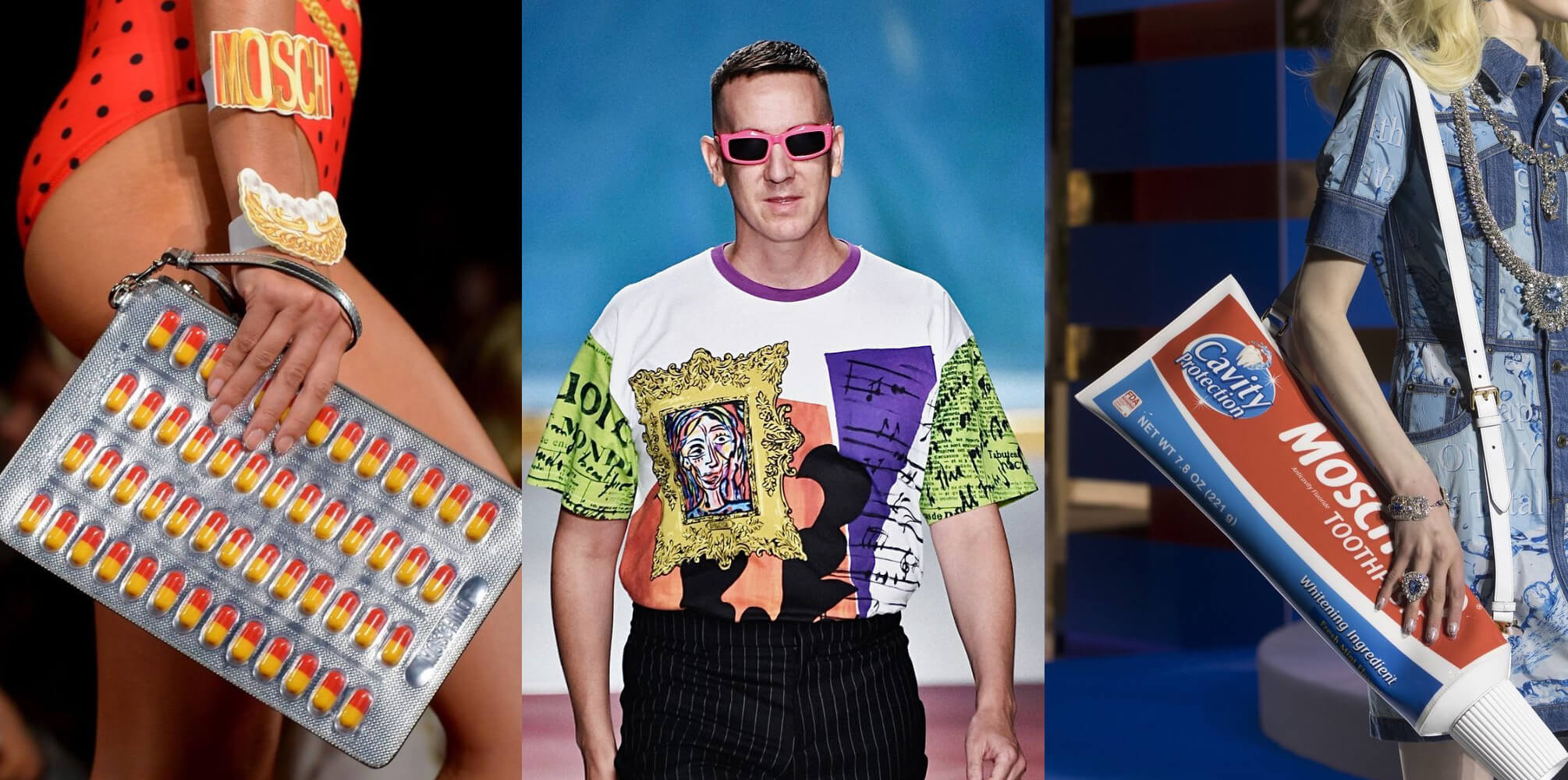
But fashion inspiration doesn’t have to start with clothing.
Inspiration exists everywhere: in architecture, dishes, home interiors, sounds from nature, and even in the most mundane everyday objects.
Many already do this, often in ways we wouldn’t immediately associate with fashion. I recently came across a Reddit discussion on unconventional sources of style inspiration, where people shared everything from nature and literature to video games and even the way older women dress for church. One person described using the colors and textures of landscapes to put outfits together, while another talked about finding inspiration in novels and poetry rather than pictures of clothes.
Regardless of background, location, or personal taste, these people have something in common: they can interpret the mundane around them and transform what they observe into their stylistic expression. Their personal experiences become part of how they get dressed.
There is a difference between simply replicating what you see and paying attention to the details that made it inspiring in the first place, allowing you to reinterpret them in your own way.
How much can we actually call inspiration when we look at an outfit and replicate it from head to toe? It’s easy to get lost and confused when it comes to personal style. Learning to distinguish between finding something beautiful and recognizing what is beautiful to us seems to be one of the biggest challenges we face in the age of the internet.
Gathering inspiration from the world around us, rather than from a platform, is not only a way to connect with ourselves and our personal taste, but also a way to train our brains to actually pay attention to the details that surround us to better understand who we are.
There’s something special about looking at an architectural structure and finding inspiration in its proportions or noticing how the colors on a carefully curated plate make you want to recreate them through clothing. Even going for a hike, visiting a forest, or going on a holiday trip, and finding that the sounds, colors, and entire world around you are translatable into style.
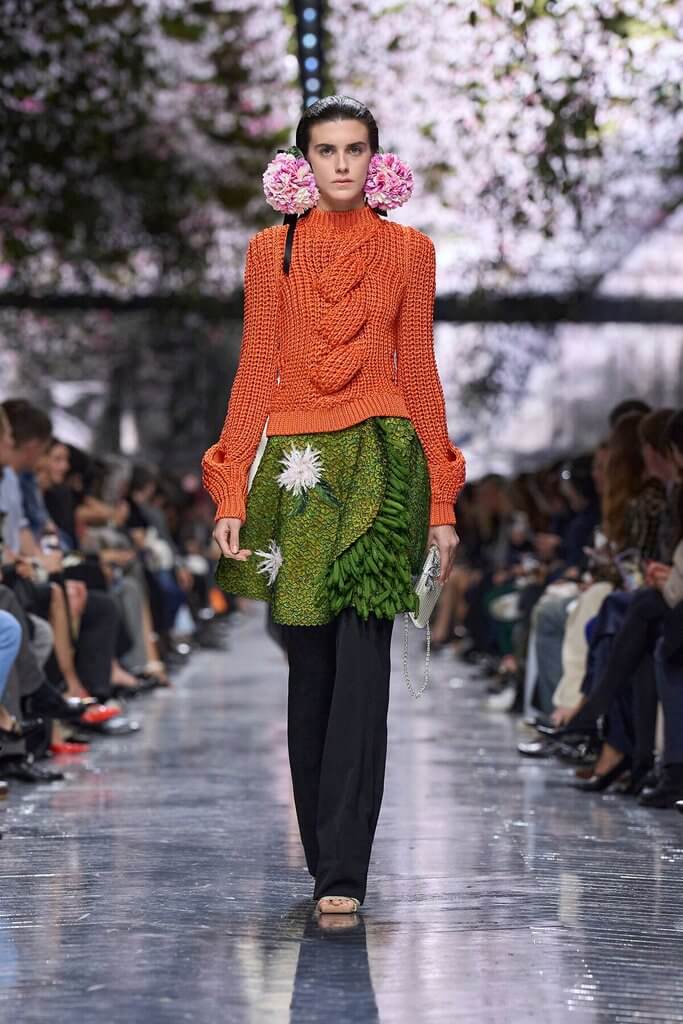
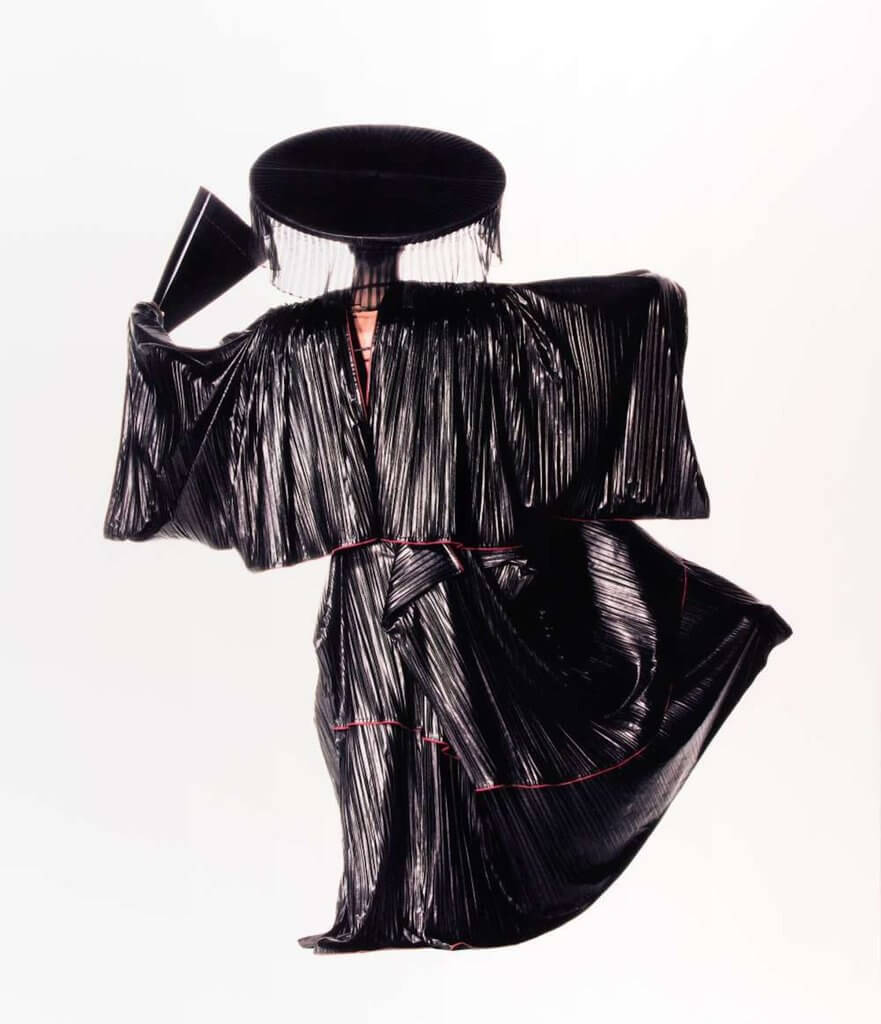
We can already see this approach reflected in the work of designers. Jonathan Anderson’s Spring/Summer 2026 Haute Couture collection for Dior draws from nature, translating flowers, colors, and organic shapes into garments. Iris van Herpen also looks beyond fashion, with her ‘Sensory Seas’ collection exploring the relationship between marine life, the human nervous system, and movement. Then there’s Issey Miyake, whose work with shape, structure, and fabric demonstrates how clothing can become something almost sculptural. They all approach fashion differently, but what is interesting is how they take ideas from the world around them and reinterpret them through their own creative language.
No single experience will necessarily inspire two people in the same way. We could both walk into the same building, and while I focus on its structure and proportions, you might notice the colors, the lighting, or the way a space captures your imagination. Each detail could eventually influence a completely different outfit. That’s what makes personal style so interesting: it’s shaped not only by what we see but also by how we interpret it.
Of course, looking at another person’s outfit isn’t necessarily a bad way to find inspiration. Fashion has always been influenced by others, and there’s something beautiful about discovering a designer, a garment, or a way of dressing through someone else. But if that becomes our only source of inspiration, we’re limiting ourselves to ideas that have already been explored and interpreted by someone else.
We might know exactly which outfit we want to recreate without ever questioning what attracted us to it in the first place. Understanding why we gravitate towards certain colors, silhouettes, or combinations is what allows us to recognize our own preferences and gradually develop a style that feels like ours.
Developing personal style is also about becoming more observant. Paying attention to what we naturally gravitate towards, what we enjoy, and what makes us feel something can gradually shape our preferences. Not everything has to become an outfit, and inspiration doesn’t always have to be intentional. Sometimes, the things we experience simply stay with us, influencing colors, fabrics, or silhouettes we naturally reach for the next time we get dressed. Our interests and experiences can slowly shape how we dress without locking us into a predefined aesthetic.
Next time we open Pinterest looking for something to wear, perhaps we could think about everything we’ve experienced outside the internet. There’s nothing wrong with having a moodboard full of clothes, but imagine how much more personal our style could become if we allowed the rest of the world into it, too.