





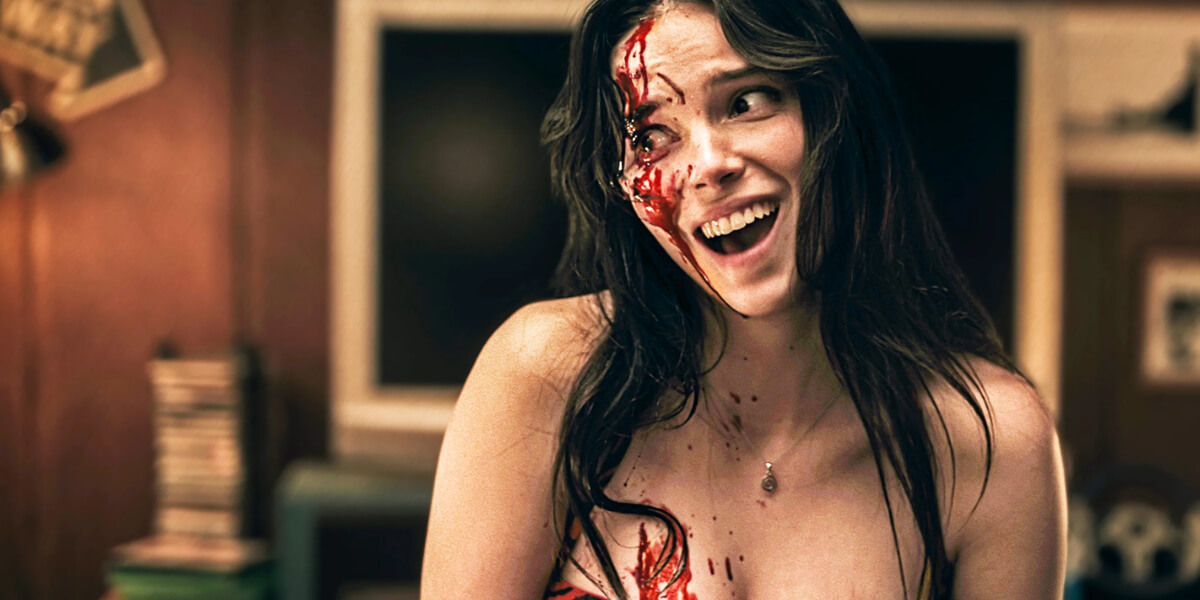
If you have watched a few horror films, you might have noticed that the protagonists facing the monsters both outside and within, if not the monsters themselves, are often women. From iconic, genre-defining movies like Alfred Hitchcock’s Psycho (1960) to this year’s most talked-about horror film, Obsession (2025). So much so that actresses like Jamie Lee Curtis and Melissa Barrera, who have starred in several horror movies, are frequently dubbed “scream queens,” a term first ascribed almost 100 years ago to Fay Wray for her iconic role as Ann Darrow in the monster movie King Kong (1933).
As a film genre, horror often continues the legacy of early Gothic and monster literature, popularized in the eighteenth and nineteenth centuries by women authors such as Ann Radcliffe, Clara Reeve, and Mary Shelley. Their novels explored the female experience of being othered, the psychological dynamics of fear, and the precarious social standing of women within rigid patriarchal structures, as well as social isolation and the quintessential human need for sympathy and connection.
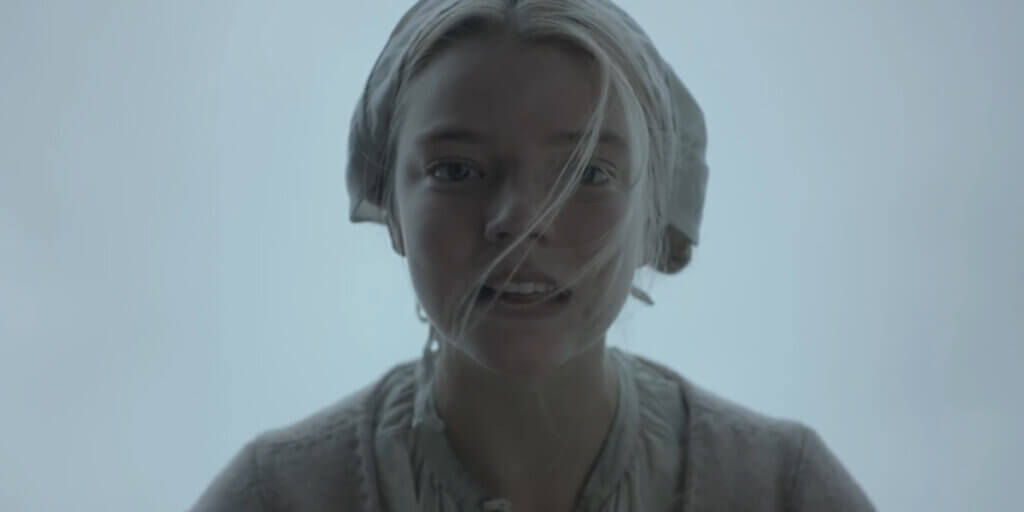
Some of the most influential and innovative horror films of the most recent years explored some of these themes with their own special twist; think of Ari Aster’s Midsommar (2019), Robert Eggers’s films The Witch (2015) and Nosferatu (2024), and Mārama (2025) by Taratoa Stappard, all characterized by a female protagonist on a bloody journey of self-discovery and self-actualization. The same goes for the Norwegian film The Ugly Stepsister (2025), a body horror film written and directed by Emilie Blichfeldt that subverted the Cinderella we know to reflect the brutal, violent commodification of women’s bodies.
Some films analyze these subjects by reversing the expectations of who gets to be the monster and who gets chased. The monster, by its very nature since the birth of myths, fairy tales, and folk legends, is an incarnation of collective fears, social taboos, and the unknown. In recent years, movies with female monsters have been delivering complex portrayals of female rage and desire, the performance of traditional femininity, and the destructive nature of romantic obsessions. These movies include Obsession, which focuses on the dark side of so-called “nice guys” and on romantic fantasies that turn into control and loss of identity. The Love Witch (2016), instead, is the brainchild of writer and filmmaker Anna Biller and follows the life of narcissistic serial killer Elaine Parks, who uses her magical powers to force men to fall in love with her. Another film of this kind is A Girl Walks Home Alone at Night (2014) by Ana Lily Amirpour. This Farsi-language vampire Western movie subverts the vulnerability of a woman walking alone at night into a position of predatory yet lonely power.
These works look through a different lens at the horrors derived from the fundamental change in societal structures that scholar Silvia Federici analyzed in Caliban and the Witch: the way capitalism emerged and began to sustain itself through systemic violence, the control of women’s bodies, and the destruction of communal life. The witch embodies the female heretic and rebel who lived outside capitalistic or male control while holding power within the community of capitalistic societies—women who were systematically demonized and killed in an effort to break down communal autonomy, female independence, and social cohesion.