



It might have been -10 degrees in Berlin on Tuesday night, but that would never deter any serious fashion week attendee from braving icy sidewalks in high heels, a fur coat with barely anything underneath, and sunglasses. Inside the Neukölln hall-turned runway, an air of quiet tension lingered, eyes hidden beneath dark shades silently noting who secured a front row seat and who did not. The politics of fashion week seating.
After everyone was seated, a silence spread through the room, anticipation building. An uncanny voice emerging from offstage, listing words to reveal the show’s themes and questions: power and defiance, sin, profanity, no shame, no innocence, the villain and the icon. When fear and arousal become one.
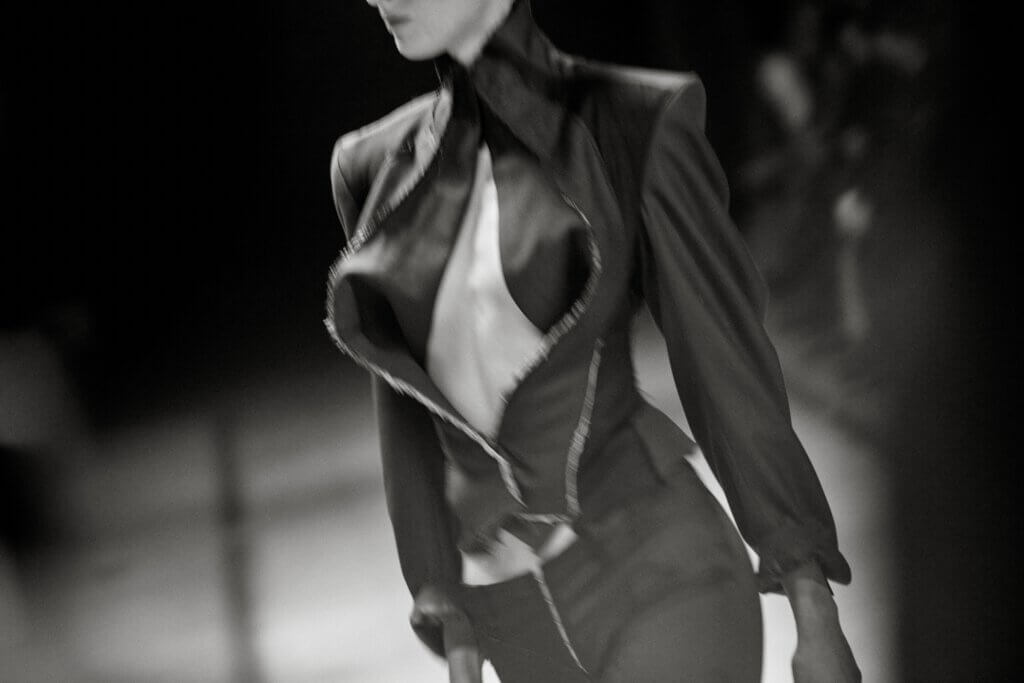
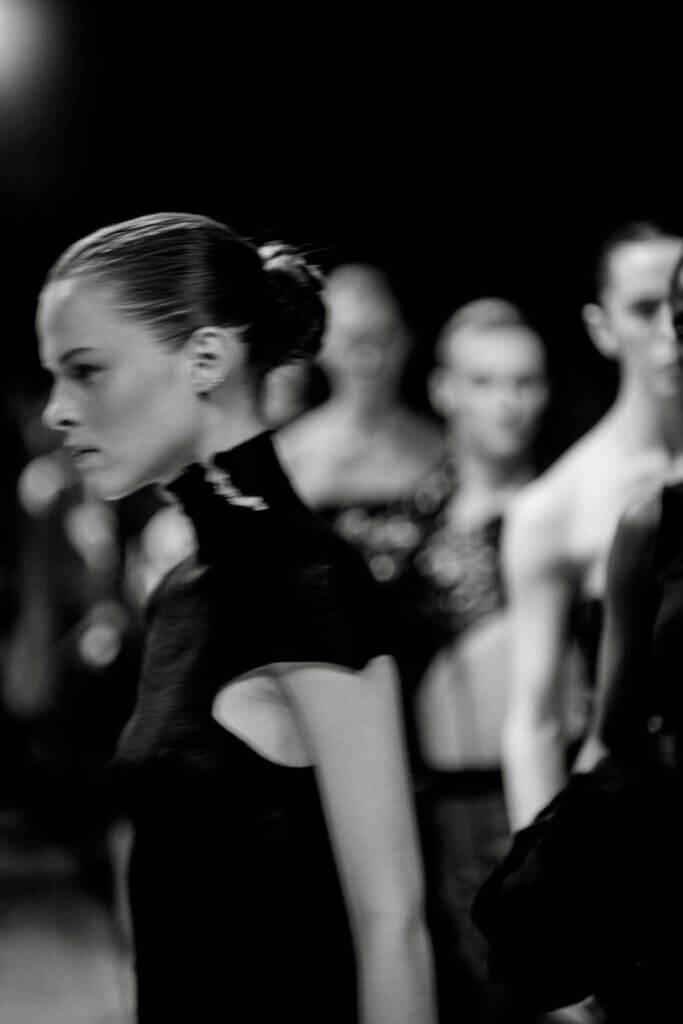
A heavy techno beat reverberated through the room as the models started to walk out.
In a time marked by global crises, wars, and political unease, fashion can feel frivolous. Yet shows like Gerte’s prove the opposite, reminding us whyart is needed, especially now, and can serve as cultural commentary. A reflection of how power, fear, and desire are projected onto women’s bodies. Or, on a more hopeful note, how these social constraints can be resisted
The figure of the female villain has long been shaped by a fear that powerful women pose a threat to the system, often resulting in their being framed as evil figures who must be controlled. These threatening women were often categorized into two archetypes: the grotesque, old “hag” or the seductive temptress. In mythology and throughout history, women labelled as evil were often those who lived outside prescribed societal roles: sexually free, with power over their reproductive choices, or simply unwilling to submit.
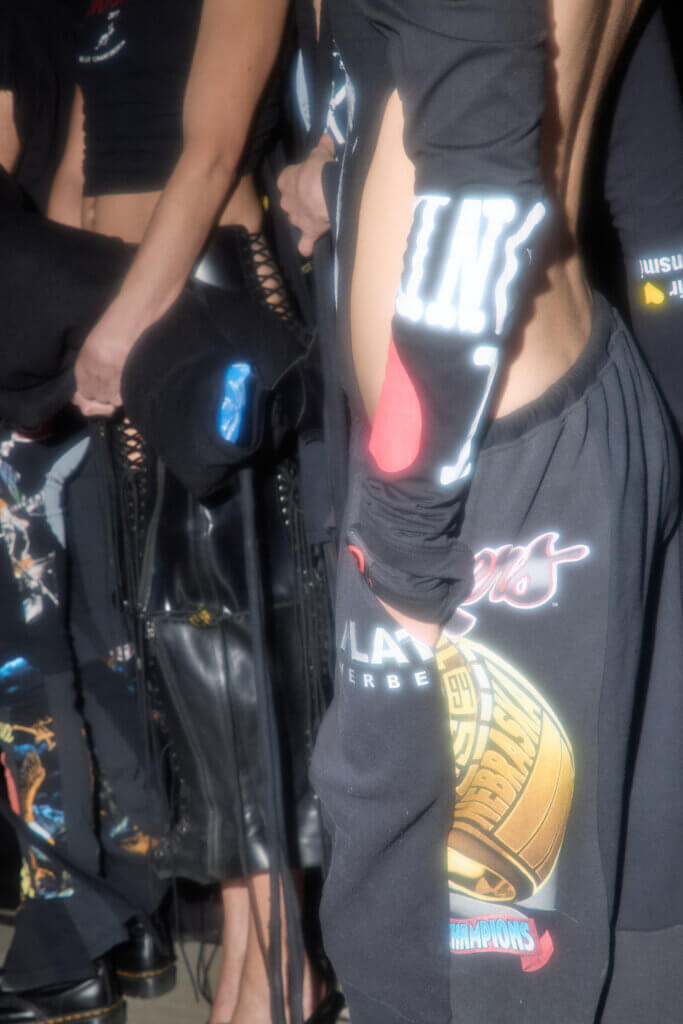
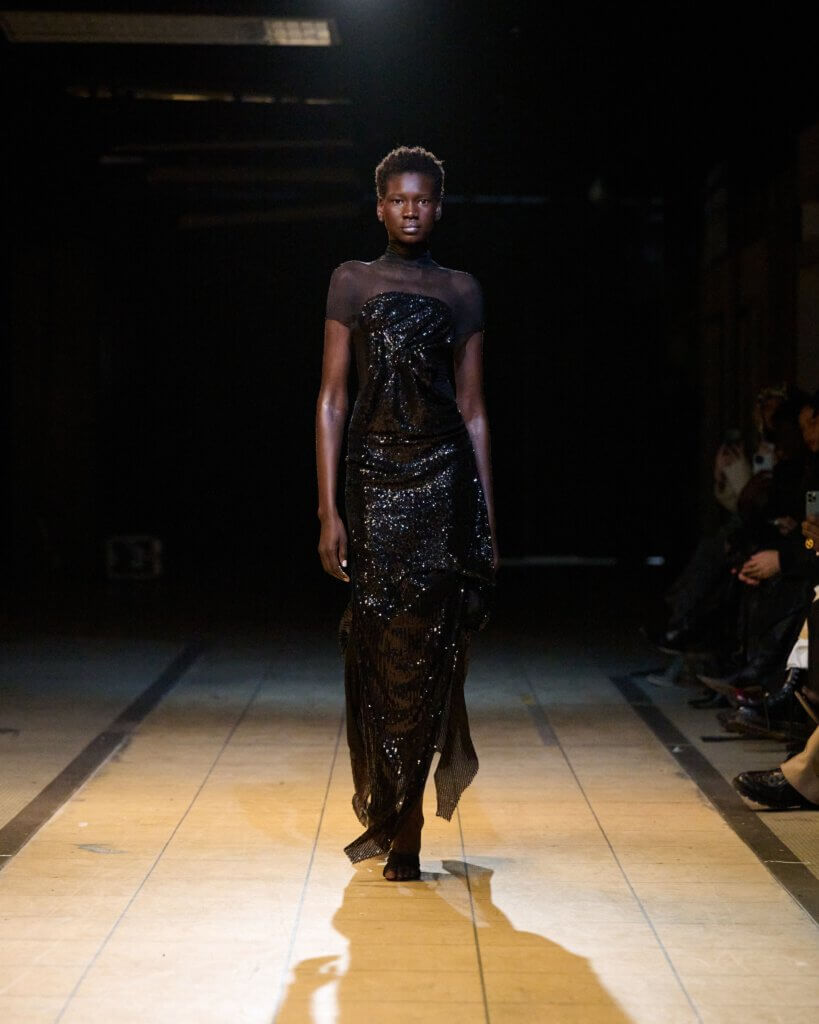
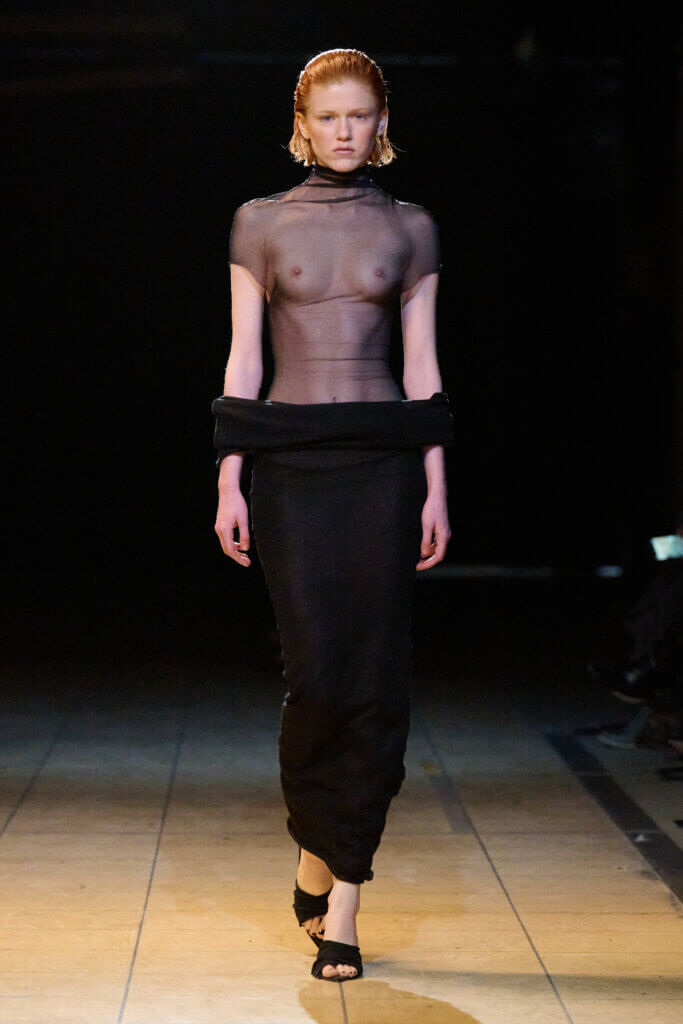
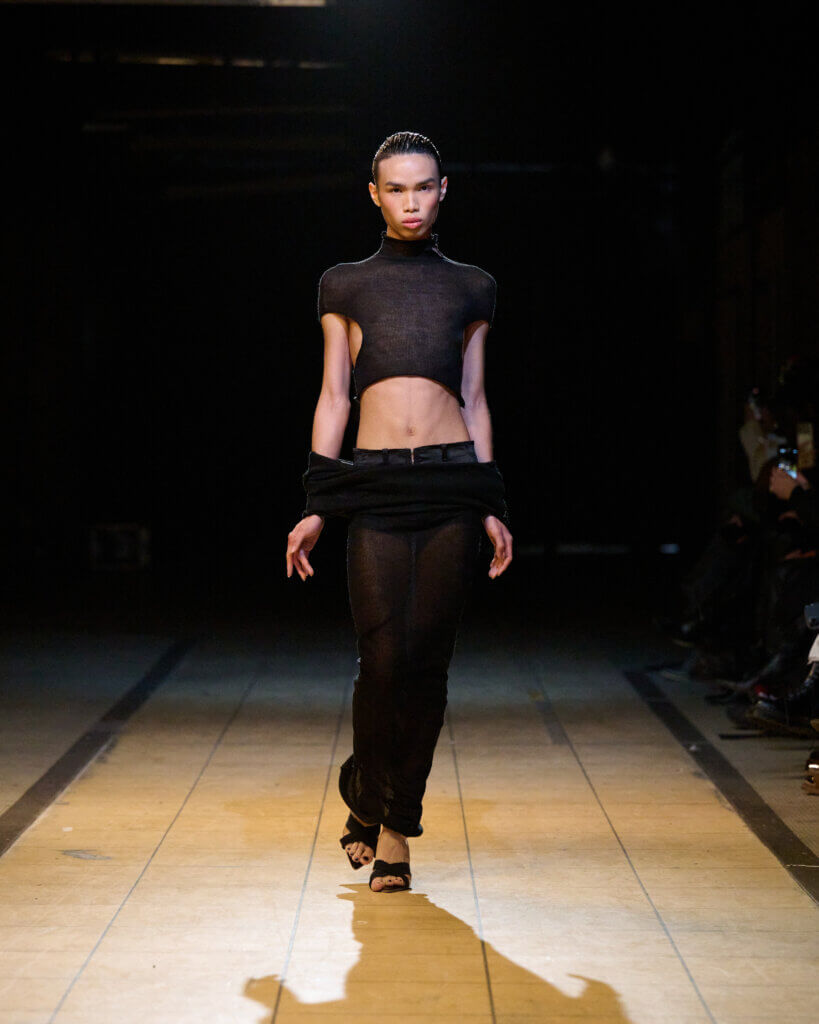
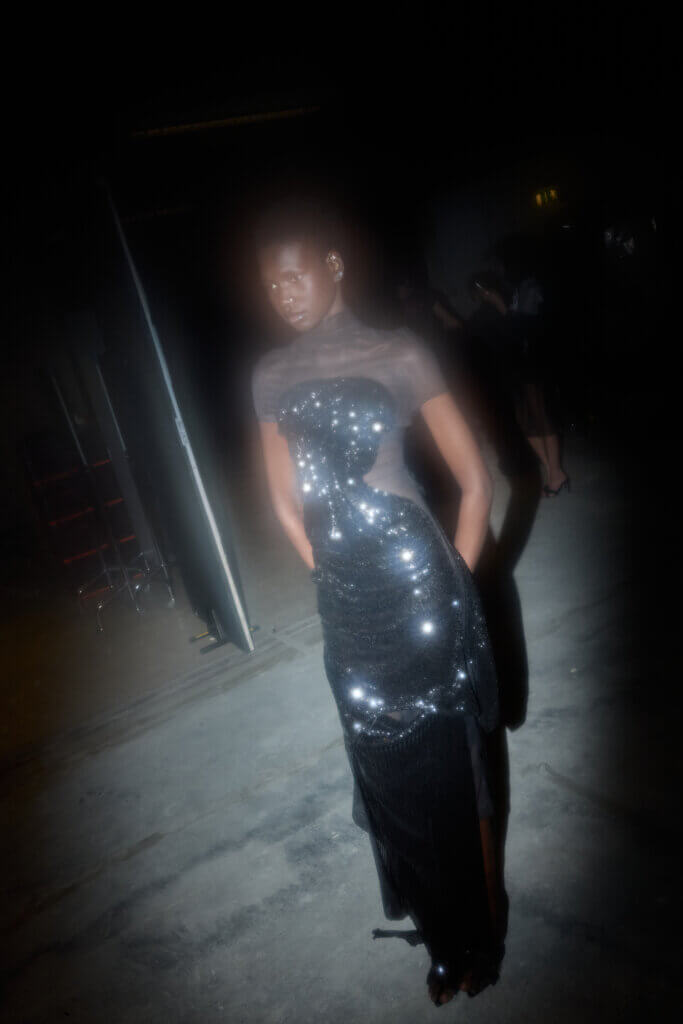
In her AW26 collection “Deviant Defiant”, presented at Berlin Fashion Week, designer Laura Gerte explores the theme of the female villain, or rather, the autonomous woman who refuses to be controlled. Known for her use of upcycled materials and her focus on sustainability, Gerte’s work continues to engage with different notions of femininity, autonomy, and social norms.
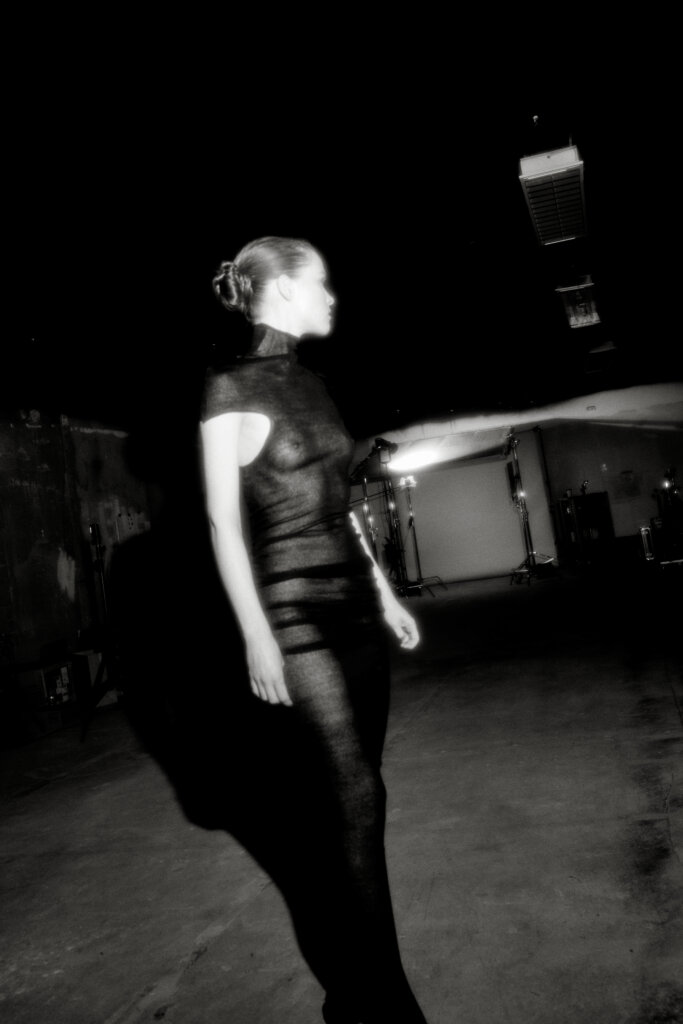
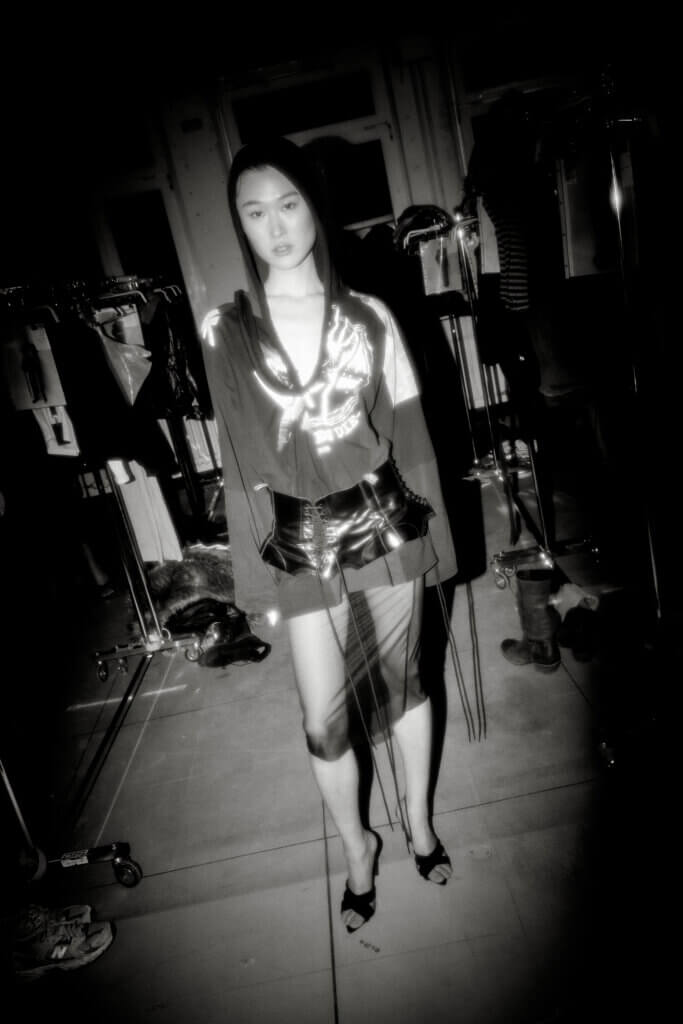
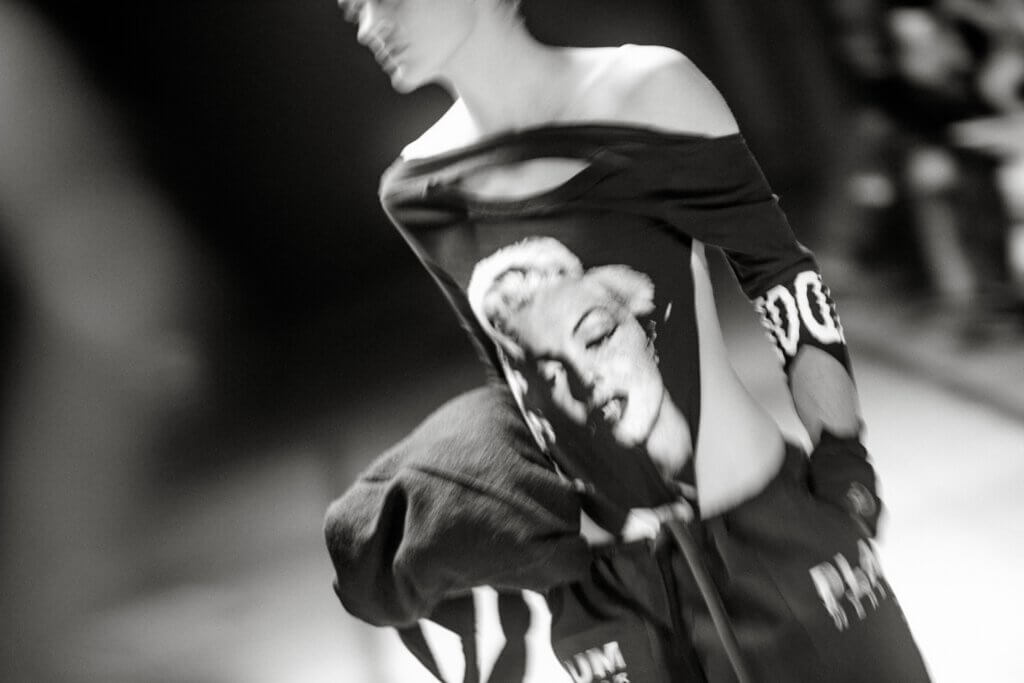
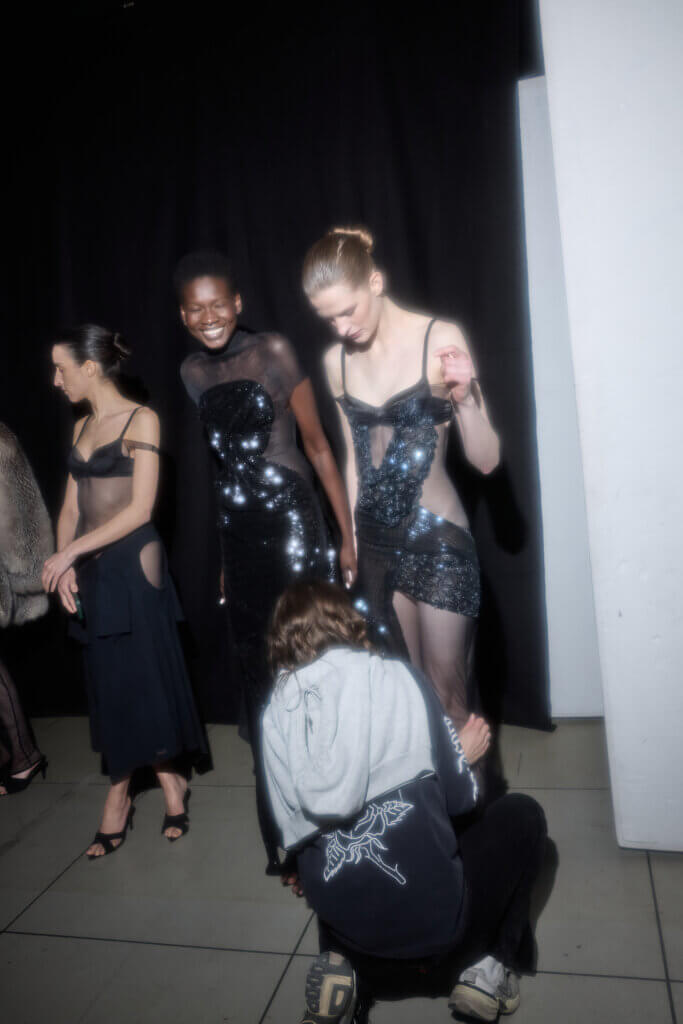
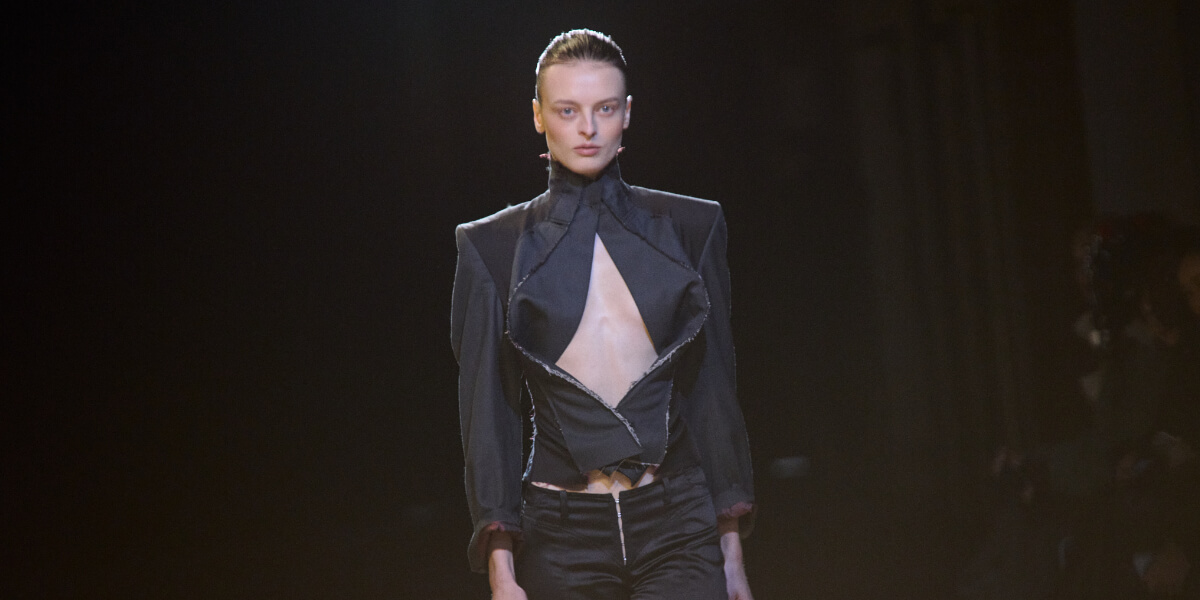
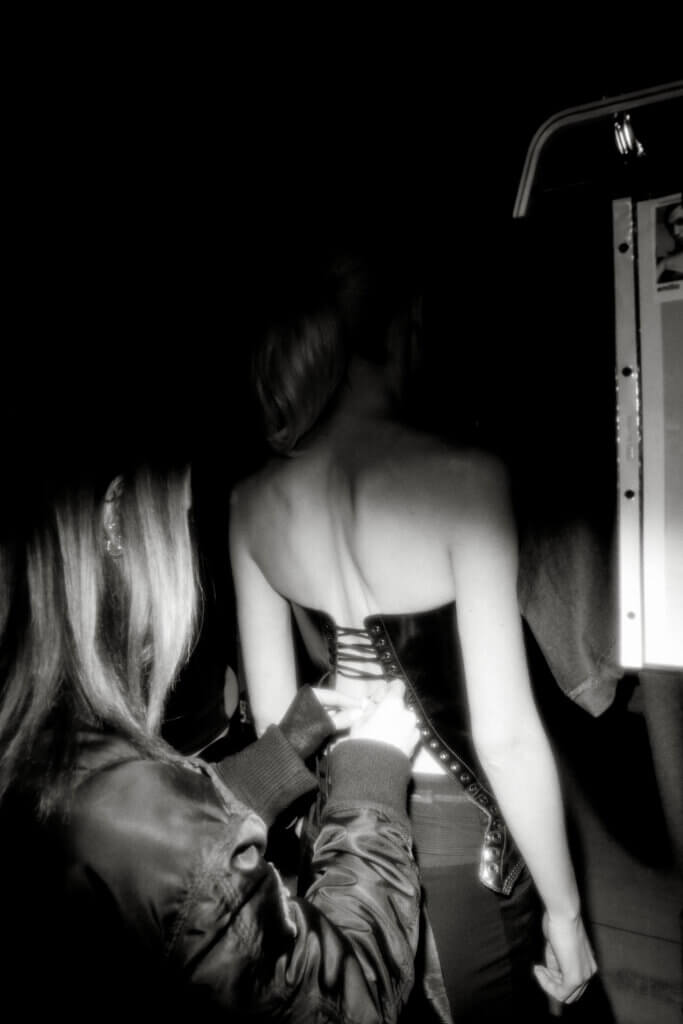
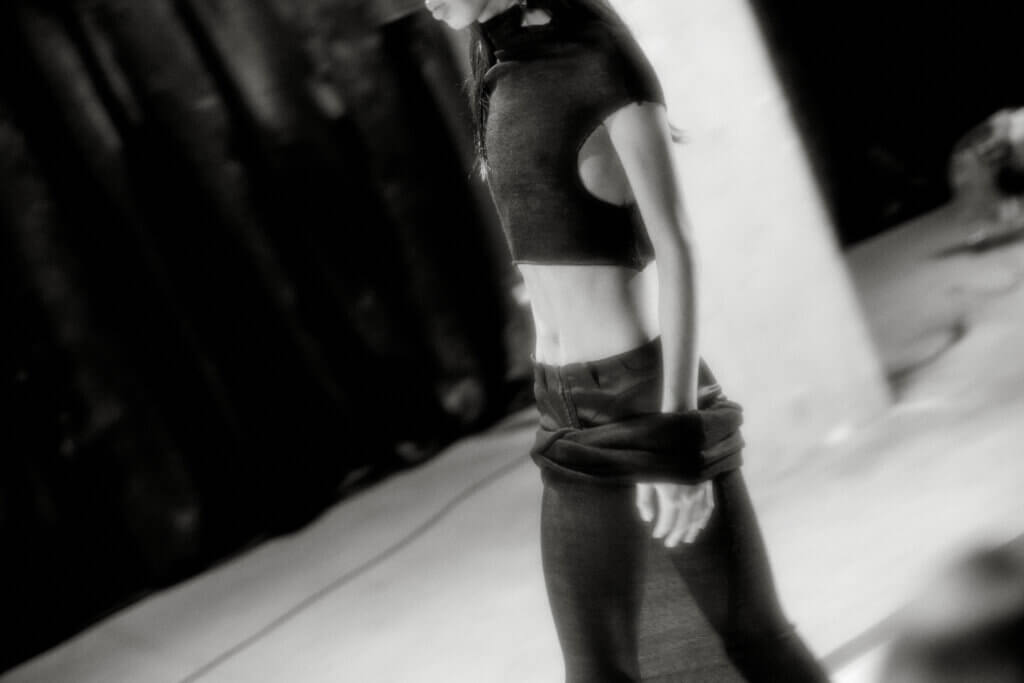
Black was the collection’s dominating color. The silhouettes, seductive and assertive, some reminiscent of Maleficent-type figures with sharp shoulders and long, dark, form-fitting gowns. In Berlin, you can never go wrong with all-black, sheer, and cut-outs. In an aspirational world, the pieces would be worn to command a boardroom meeting (for example, the blazer with the cinched waist, strong shoulders, and a diamond cut-out) and then to a gala afterwards (or perhaps switching into the sheer floor-length dress with the back cleavage). The entire collection felt very cohesive, powerful, and alluring.
One remaining thought regarding the casting was that the collection’s theme could have been expanded even further by including older women. The narrative of the evil female “villain” so often fixates on ageing women’s bodies, especially in a society that continues to scrutinize and marginalize them.
After the show, I had the chance to speak to Laura Gerte backstage about her inspiration and advice for young women forging their own path.
I really, really love the theme and the whole concept behind it. How do you define a female villain?
I think the interesting part about the female villain is that she is always kind of misunderstood or misinterpreted. I started with many figures from Greek mythology, like Lilith or Medusa. Women that we were told are evil, but it’s actually just the world made them evil, and the evil isn’t even true.
Would you say the female villain is ultimately a woman who is uncontrollable?
It’s more like this fear of a woman who doesn’t owe society anything anymore. And is past that point of being controlled and doesn’t obey the perceived rules anymore. And this is what I find interesting, and it’s also what I observe in myself and my friends as we grow older.
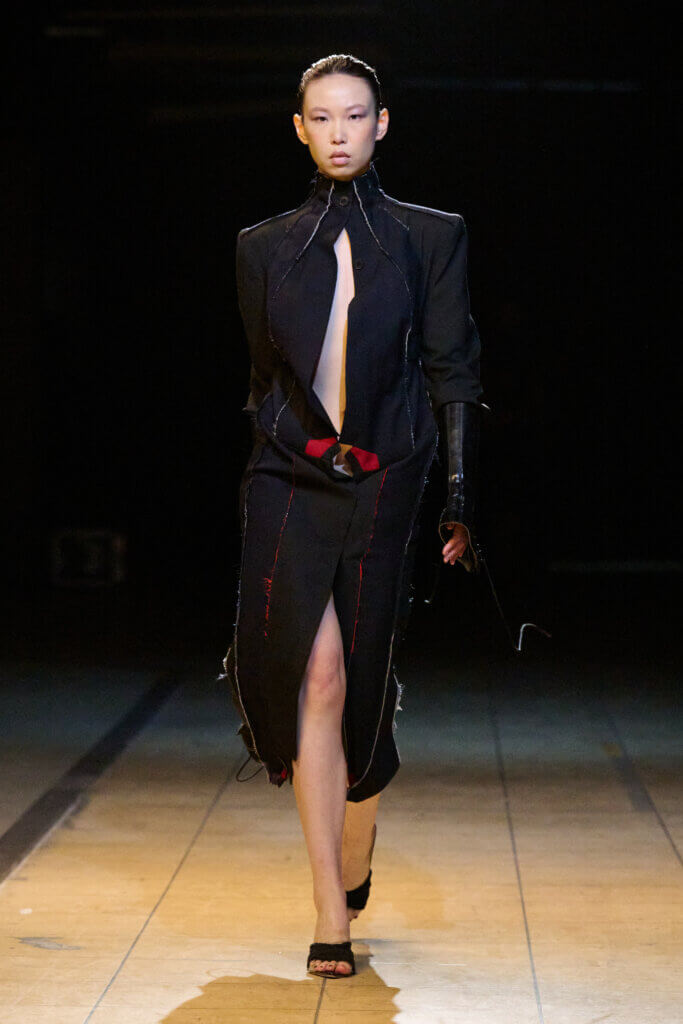
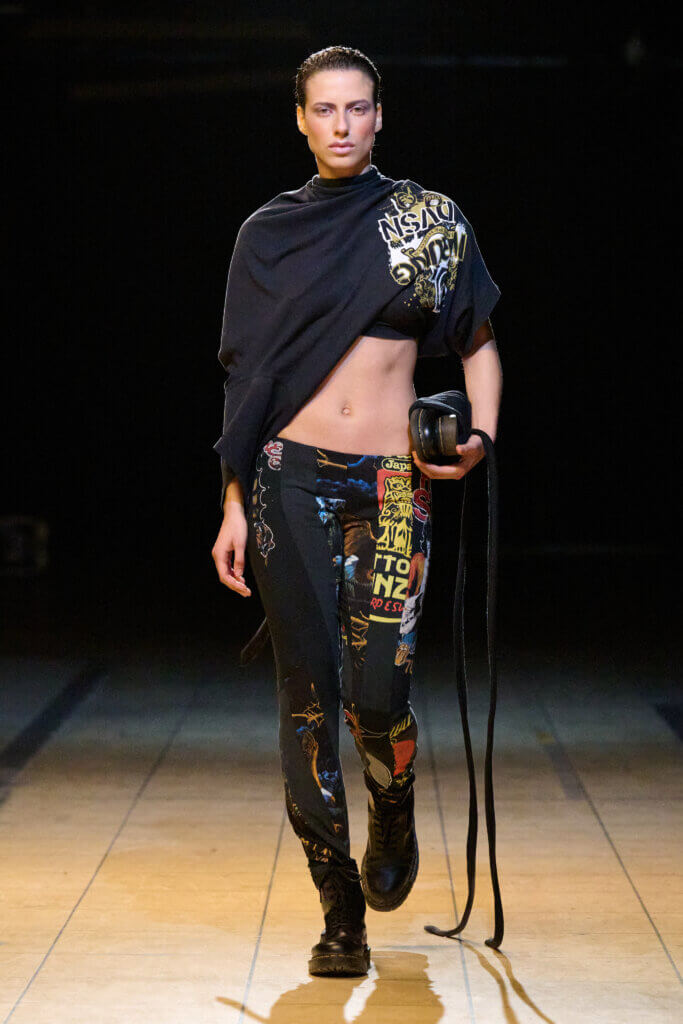
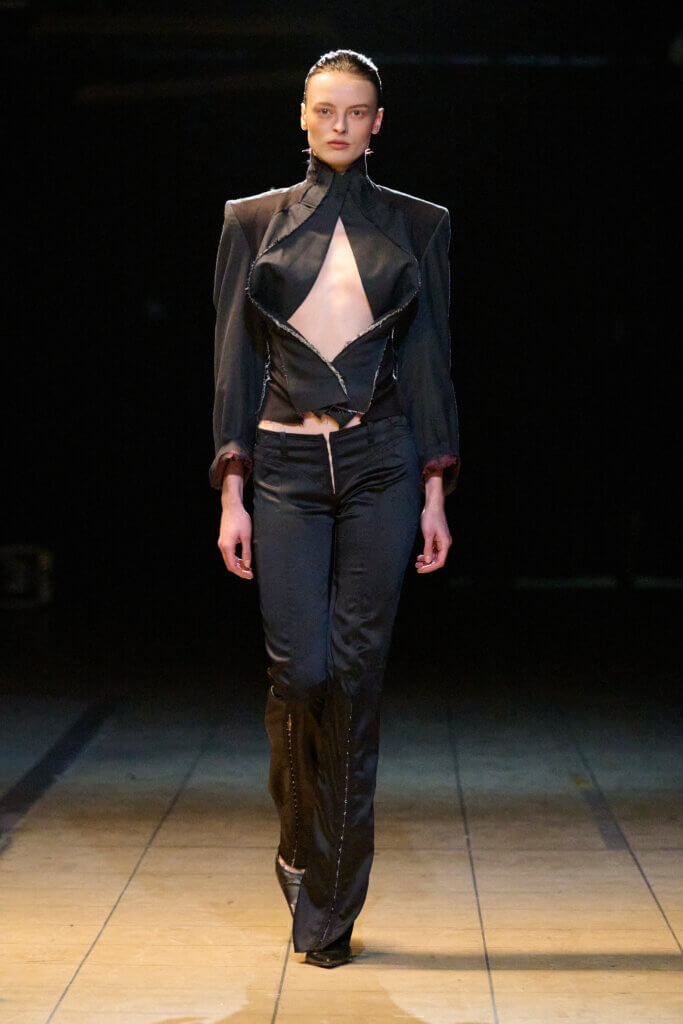
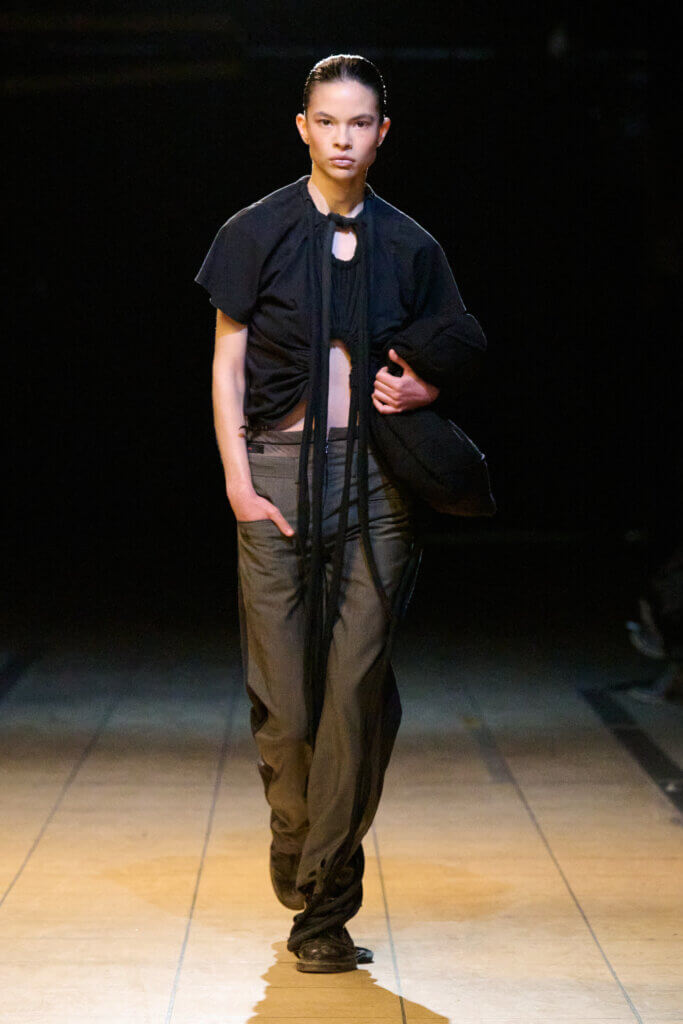
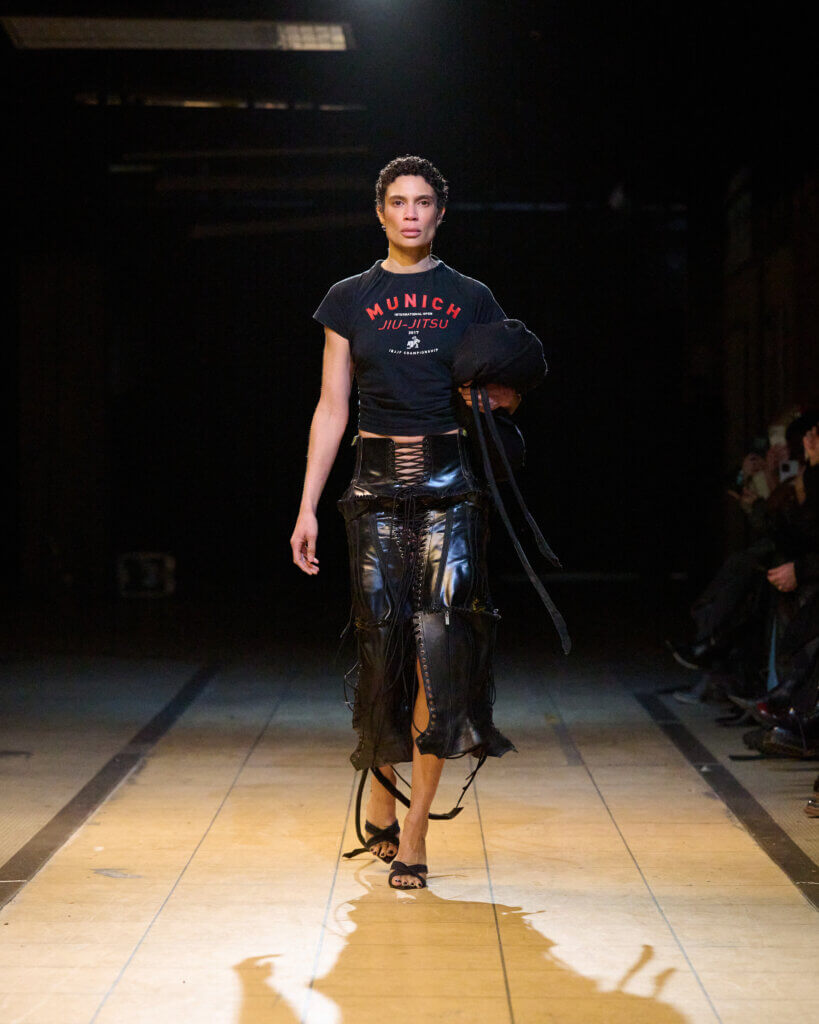
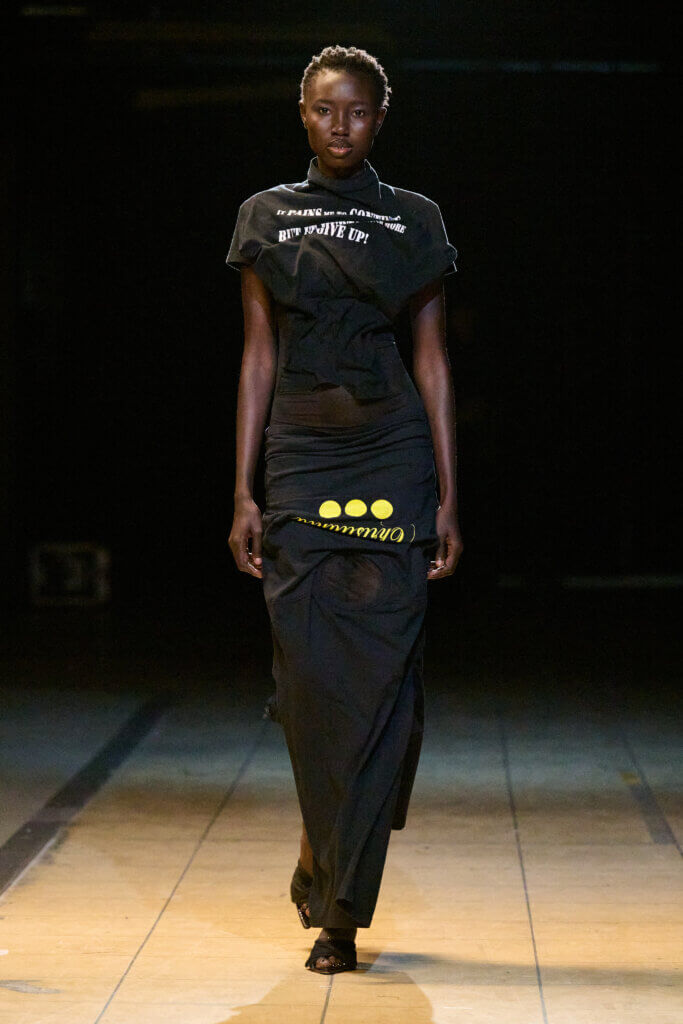
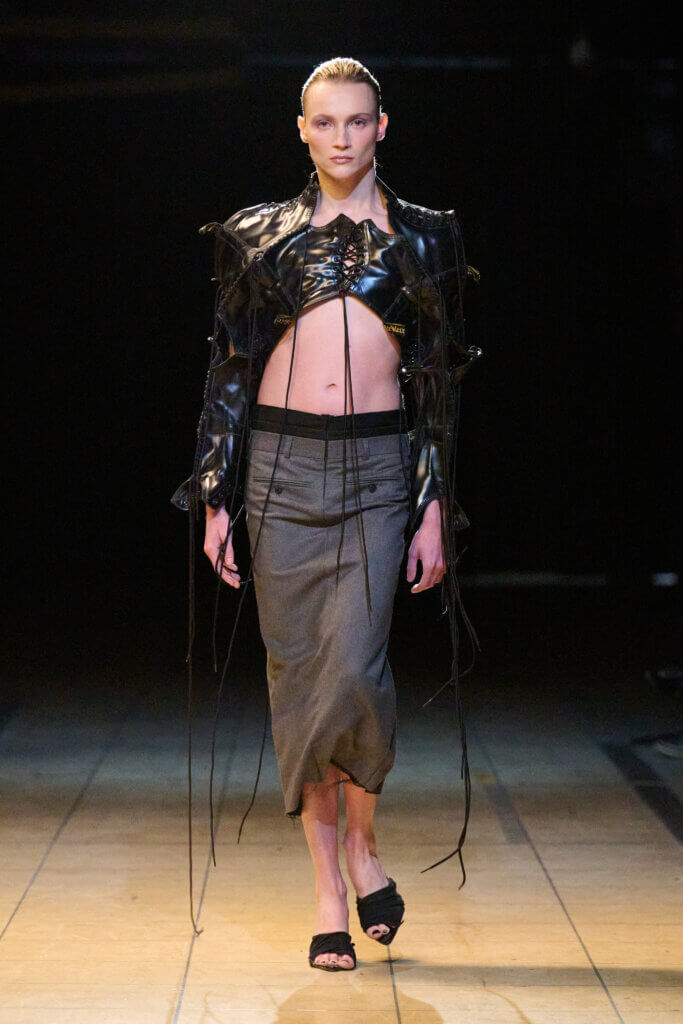
Apart from Greek Mythology, what else inspired you? Any films or artworks?
Hmm, I think also the classic Disney villains. My favorite Disney villain is Ursula. She’s such an icon. It’s always the women who are framed as evil, but there are so many evil men, and they don’t get shit for it. So why not embrace this unapologetic side in yourself for 2026?
And how would you say you use your designs to express this unapologetic and empowered sense of self?
I find these feminist undertones that run through the collections. For me, it’s a symbol of my own journey through womanhood; the summer collection was very much about vulnerability and anger. And now we have kind of like overcome that and healed our traumas. And now we’re very much in our power, and we don’t apologize for it anymore. And I can already tell you that summer is going to be very flirtatious.
Would you say it’s also a reflection of your own journey and personal experience with ageing?
For sure.100% Influenced it.
And what does femininity mean to you?
I think femininity cannot be defined because each of us is unique and we have our own way of expressing our femininity. And each one is valid and should be appreciated and seen.
How closely is the way you design connected to expressing your own identity?
I think it’s more like, as someone said, it’s like I make dresses for the woman I wanted to be when I was a child. And I’m like, still, I’m working on it, I’m striving to become her one day.
That’s beautiful.
Thank you.
Is there one piece of advice you would give to your younger self or other young women who are forging their own path?
To my younger self, even if it doesn’t look like it now, everything you do will lead you to where you’re going to be. And to young artists and women in general, I think it’s like say what you want to say and don’t look too much left and right. Stay focused, and true growth comes only over time. You have so much time in your life. Don’t stress about it.