






Most of us are familiar with feeling misunderstood, misplaced, underestimated, judged, or seen as someone completely different from who we actually are. It can often make us question ourselves and exacerbate our already existing insecurities. Many times, it especially affects those who are already being targeted.
It doesn’t always need to be visible at first.
FLINTA* individuals, in particular, have to deal with a never-ending interpretation of their actions from others based on patriarchal and conservative perspectives, expectations, and standards. Being a public figure complicates this even further. When the whole world is watching, even a headline can become someone’s salary.
It’s easy to make assumptions, spread gossip, and judge people. Over the past couple of years, we have seen a shift in women no longer accepting being at the mercy of others’ interpretations. Rather than remaining silent and suffering in silence, they have been choosing to speak up, share their stories, and refuse to let others define who they are. Their truth isn’t necessarily polished, but especially now, their authenticity comes at a time when it is needed more than ever.
Down the Drain
I purchased Down the Drain by Julia Fox about two years ago, and I realized soon after how easily people can be misperceived in public.
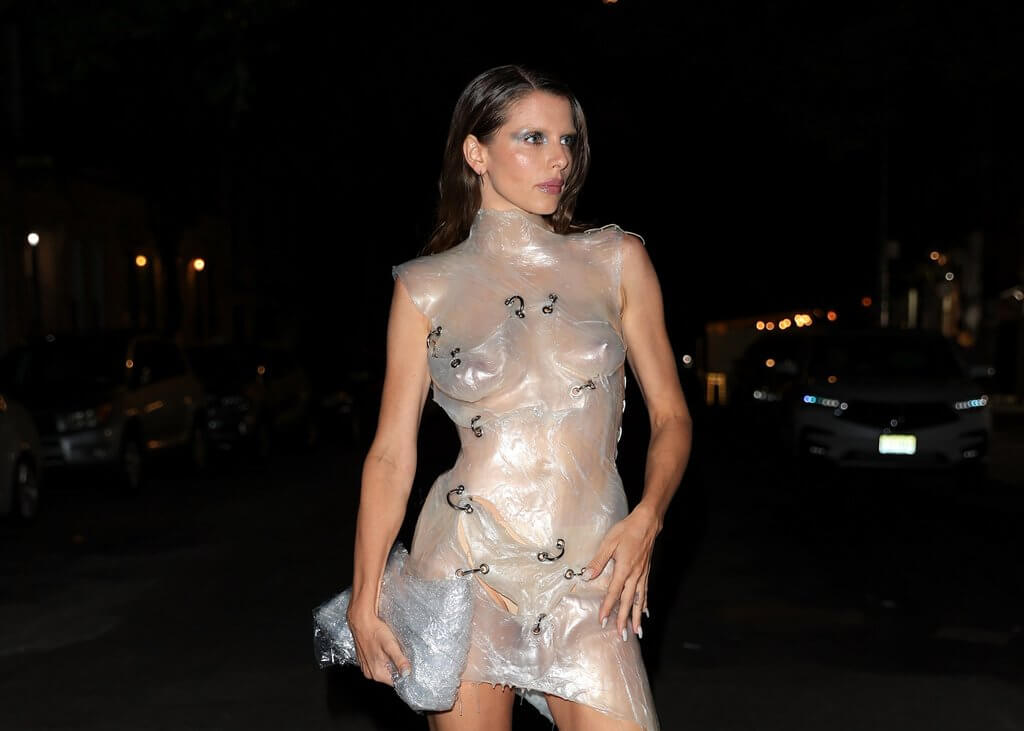
In her book, Julia Fox shares her biography in detail, starting from when she was six years old, when she went from Saronno, a city close to Milan, where she lived with her grandfather, brother, and mother, to living with her dad in New York permanently. While growing up in those cities, Julia and her family moved between the homes of family members, friends, and acquaintances. She shared that this experience often left her with no stable place to call home.
She explained how financial insecurity, her parents’ emotional instability, and the constant feeling that she wasn’t good enough shaped her childhood. She had to adapt to whatever happened next, so she hid her pain and built protective walls around her emotions. Through her experiences with domestic violence, she made the realization at an early age that “the people who are supposed to protect us are sometimes the ones we need protection from.”
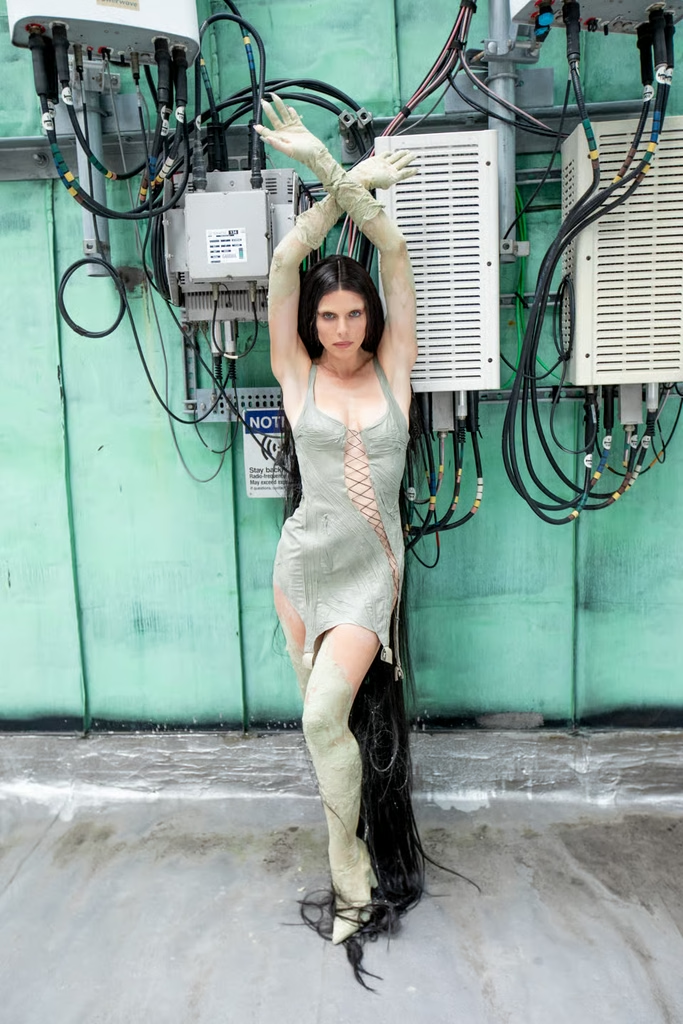
Even though her realization explained a lot of what followed, it could not protect her. As she continued to share her life story, Julia introduced readers to the reality of sensitive topics that are often avoided, dismissed, or underrepresented. She openly discussed her mental health diagnoses, addiction, experiences with sex work, domestic violence, emotional abuse, lack of love from her family, loss of loved ones, public humiliation, victim-blaming, and other circumstances that affected her life.
Through all forms of scrutiny, Julia found a method to transform that embarrassment into empowerment. Fox has been combating the public humiliation with self-revelation long before writing Down the Drain. Around 2014, someone created a fake Instagram account in her name with pictures from her time as a dominatrix. Her past was exposed to everyone, including her family, friends, and colleagues. She took a nightmare and chose to reveal it herself, turning it into a headline and a full article.
With Down the Drain, Julia finally broke free from the public image created around her. She revealed her life in a brutally honest way, without trying to maintain her image or hide anything potentially uncomfortable to read.
Although her truth was shocking at times, it was her way of taking back control of her narrative. Her story illustrates how little we know about others and the importance of avoiding making premature assumptions. Revealing oneself isn’t something anyone would choose to do unless it felt completely necessary. Sometimes, rewriting your narrative feels like a heartbreaking scream for help and the last attempt to reveal the truth and finally be heard and seen.
This Is Me
Shortly before the release of her autobiography, This Is Me: A Reckoning, in May of this year, Hayden Panettiere appeared as a guest on the popular podcast On Purpose, hosted by Jay Shetty.
One sentence from their conversation stayed with me: “Don’t believe what you see in a picture. There is so much more going on.” In many ways, this sentence describes her entire life.
From an early age, Hayden was constantly being told what to do, how to behave, and how to be perceived through other people’s expectations of her. She was signed by Wilhelmina Models at eight months old, beginning a career that would eventually make her one of Hollywood’s most recognizable young actresses.
In her memoir, Hayden makes clear that she is sharing her own perspective and is not trying to misrepresent anyone. What becomes apparent in the first few chapters, however, is that she was never really given the opportunity to decide whether she wanted a career in the first place. Her mother, who had always dreamed of becoming a famous actress, pushed Hayden’s career forward as if it were her own. Although Hayden was grateful for the support she had received, her mother’s ambition pushed her beyond her limits and left her with a constant fear of disappointing others if she did not perform well. What looked from the outside like a successful child growing into a successful actress was, from Hayden’s perspective, a childhood shaped by anxiety, pressure, and feeling obliged to perform.
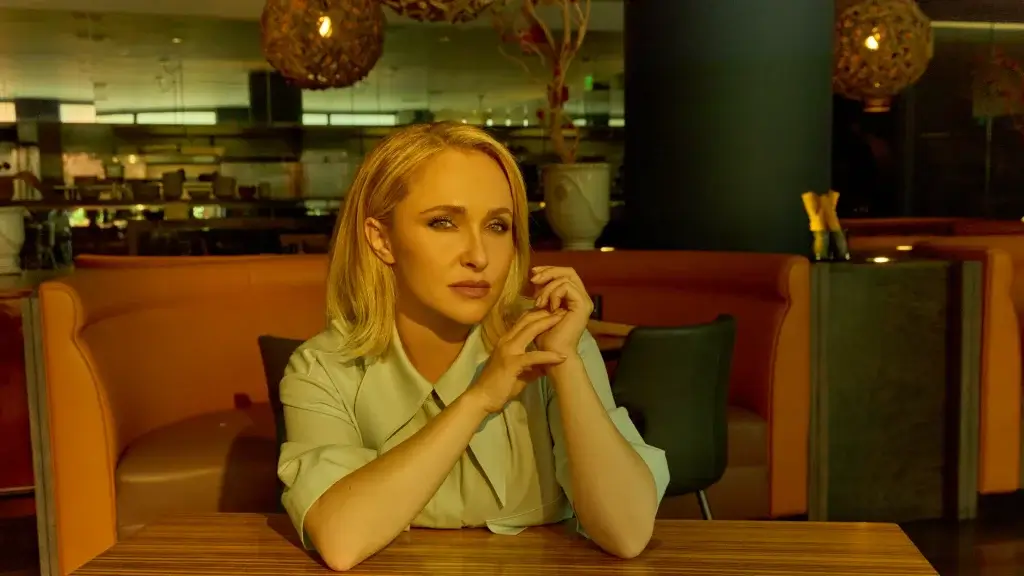
She never experienced what it felt like to have a “normal” childhood. She described it as being a child in a grown-up world and, later, a grown-up in a child’s world. Even at four years old, her acting roles confronted her with murder, addiction, and violence. Looking back, she explains how difficult it became to distinguish between what was happening on screen and what was happening inside her own mind.
The distance between Hayden Panettiere herself and the Hayden Panettiere the public knew only grew as she got older.
Eventually, she represented Neutrogena, embodying an image that was clean, wholesome, and distinctly American. Behind that image, however, she was struggling with severe anxiety, which later contributed to her struggle with addiction. The painful realities continued as she lost custody of her daughter, Kaya, and found herself trapped in an abusive relationship. In 2022, Hayden stopped hiding parts of her story. She publicly discussed her addiction and experience with postpartum depression in a People cover story. In her book, she describes how the media and her fans responded with kindness and sympathy, while also discussing how speaking publicly about her postpartum depression affected her relationship with the brand.
In This Is Me, Hayden took the opportunity to share her perspective and to thank the people around her, including some of those who hurt her. She ended the book by reflecting on radical acceptance and on how writing her story helped her accept herself. Her story reveals that public image is not always created by the media alone. Sometimes, it begins much earlier—with parents, advertising, and expectations placed on someone before they are old enough to understand who they are themselves.
When an Album Becomes the Story
Some write their story down. Others turn them into songs. The first album that came to mind was Lorde’s latest album, Virgin, released in 2025.
When Lorde first entered the public eye with her album Pure Heroine, she was quickly associated with a particular type of femininity. She was young, mysterious, and seemingly detached from the typical expectations placed on female pop stars. Some people even put her on a pedestal for not objectifying herself like other women in pop music. Lorde was always aware that she might one day want to challenge that image. She felt it was the right way to do so with “Virgin.”
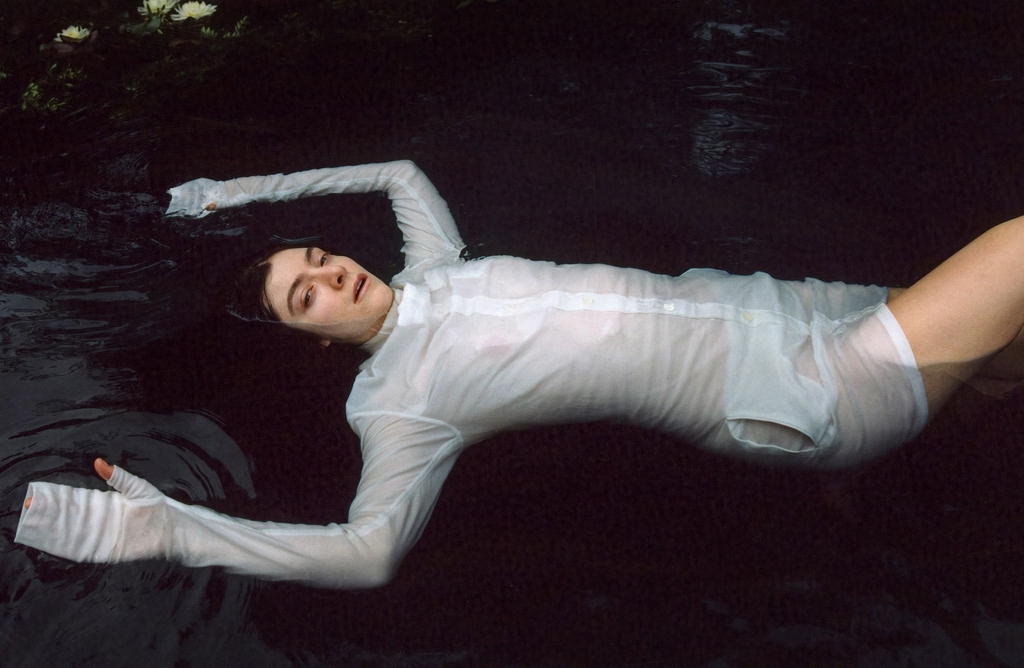
Lorde chose the title Virgin to play with expectations attached to femininity. She used the album as an opportunity to share her thoughts on various topics, including her relationship with her body and her perception of gender. During the album’s production, Lorde stopped taking hormonal birth control after using it for over a decade. She described this experience as having a “puberty-type feeling” and as “something quite unregulated.” She later received a PMDD diagnosis, and the album became a space to explore her newfound relationship with her body.
In the context of this article, that refusal to be neatly defined feels important. Although Lorde’s story is different from those of Julia and Hayden, the intention feels similar. She shared in a recent conversation with Dazed that being seen and heard as the person identified with “gore and fuck-ups” meant letting go of the image others have decided one should have. Rather than rebranding herself as a virgin, Lorde used the album to question the narrative created around her.
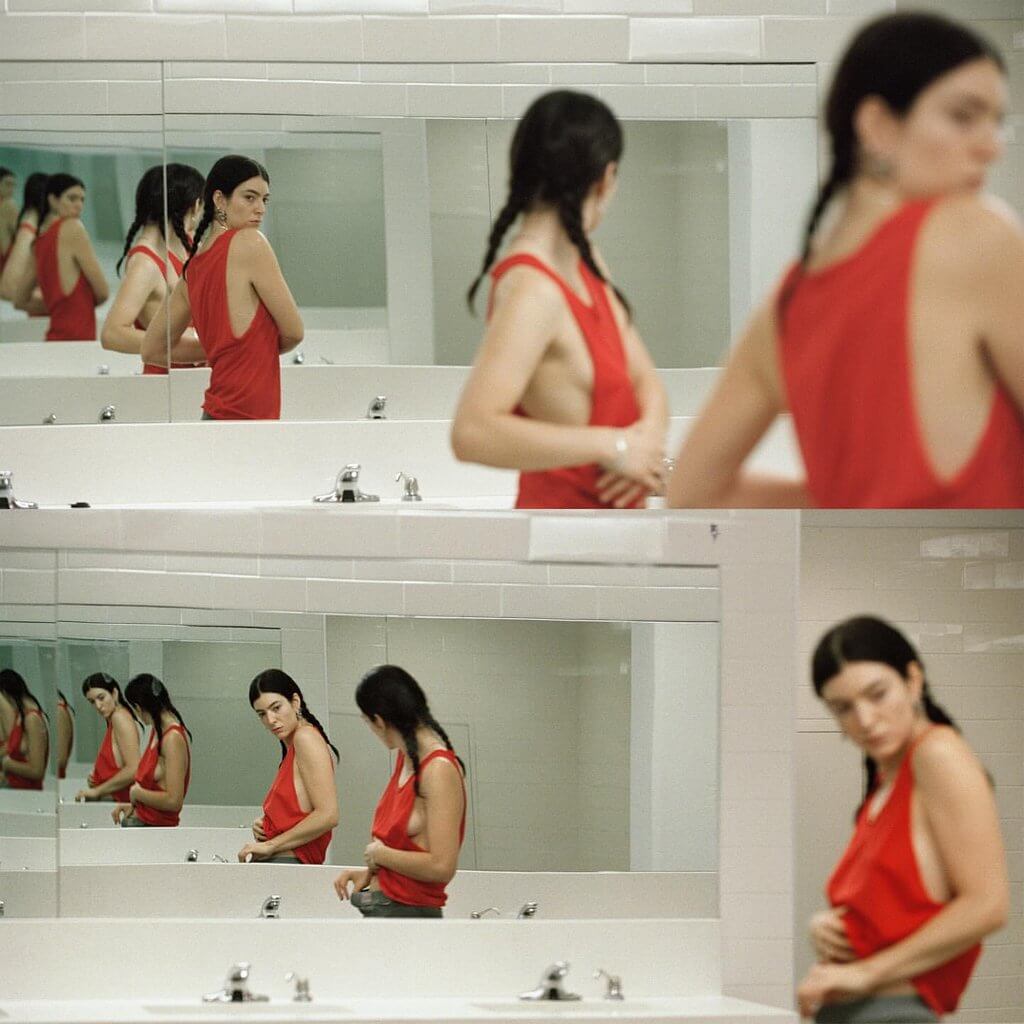
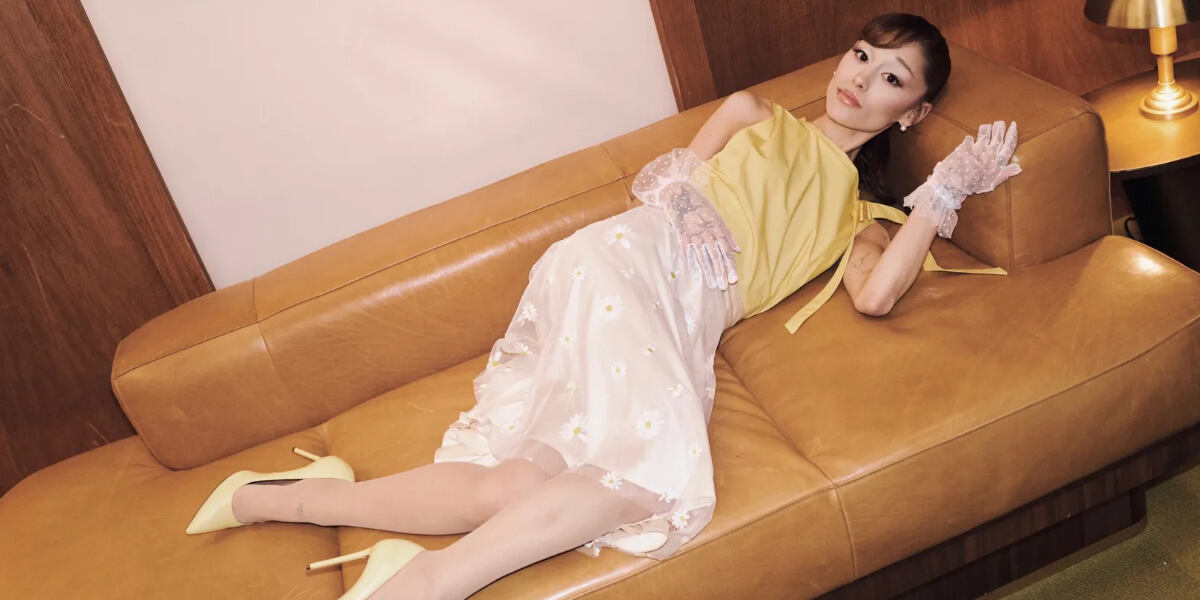
Another recent example is Ariana Grande’s album, “Petal,” and its music video. After years of public discussion about her, particularly her body, Ariana Grande released “Petal” on July 31 during her first tour since 2019. Rather than revealing every detail of her life, Ariana used the album to control what the public knew about her and what she chose to reveal. She described the album as “full of life, growing through the cracks of something cold, hard, and challenging.” The Crack also described the album as being more directly concerned with her relationship to fame and her fans.
Right at the beginning of the album, Ariana Grande uses the title track to make a statement. She made it clear that she doesn’t see herself as someone who needs to be saved, pushing back against a narrative that had surrounded her rather than confirming it.
Nevertheless, the public still claimed that the album wasn’t an honest portrayal of what was really happening. Perhaps that is where “Petal” most clearly connects to the idea of reclaiming the narrative, because telling your own story doesn’t mean having to reveal everything.
Sometimes it means deciding what remains yours.

Why Are We So Incredibly Hungry to Know?
Just like Julia, Hayden, Lorde, and Ariana, we all face challenges, even if we’re not public figures. Seeing public figures stop trying to fit into a certain image and share their insecurities can make us feel more human. It can also encourage us to accept the parts of ourselves that we usually try to hide.
Given that many topics, such as mental health, are still stigmatized, it can be easier to seek help, raise awareness, and feel less alone when we see others openly discussing their experiences. However, there’s a difference between choosing to share your story and feeling obligated to do so to be believed. Perhaps that is why I long for a time when people won’t feel obligated to write a book about their experiences just to be believed. The goal shouldn’t be to perfectly explain oneself or reveal every part of one’s life to earn understanding.
Instead, we should stop deciding who someone is before they have the chance to tell us.